 Posted by
A guide to ancient tortures divided by category: with water (ordeals, boiling, Chinese water torture), with fire (burning at the stake, the brazen bull, branding), with animals (scaphism, poena cullei, elephants, rats), with cuts and piercing (quartering, flaying, lingchi) and many others, with links to the in-depth articles.
The ancient tortures are plentiful. When it comes to harming others, humans have always strived to find new methods to prolong or cause as much pain as possible.
Unfortunately, finding detailed information about torture techniques is not so simple, at least in Italian.
That’s why I decided to write this article. I wanted to create a complete list of ancient tortures in Italian that would explain them in as much detail as possible.
The research work has been enormous: sites in various languages, books, newspaper articles and testimonies. Reading everything, selecting the information and collecting it in one article was not easy, but I’m sure you’ll like the result.
Ready? Let’s begin!
Techniques of ancient torture
Already in antiquity, people did their best to find effective torture methods. Many of the ancient tortures are very elaborate compared with modern ones, which instead look for the fastest and most effective way of causing pain.
The ancient tortures were considered an art, and an example of this is the Brazen Bull, also known as the Bull of Phalaris. A sculpture created by Perillos of Athens, which was not only used for torture but also an incredible machine with different functions.
In fact, in addition to getting rid of Phalaris’s opponents, it gave off a pleasant fragrance of incense, but that’s not all. It also turned the screams of its poor victims into something like the bellowing of a bull. How? Thanks to a sophisticated system of brass pipes.
The ancient tortures are many and to avoid confusion, it is best to divide them into categories, depending on the primary method used to torture.
Ancient tortures with water
Water is a natural element, a symbol of life and purification. Perhaps it is this aspect that has led many ancient civilizations to use water as a method of torture.
The simplest method of all is the forced ingestion of water. This causes damage and pain in the victim’s belly.
An example of it is the cold water ordeal, used mainly in the Middle Ages, though it has its roots in the Code of Ur-Nammu, named after a Sumerian king who reigned from 2112 BC, even before the most famous Hammurabi.
A variant of this torture is the ordeal of boiling water. Although it is associated with the Inquisition’s tortures and witches, it was a method used both before and after the Holy Inquisition.
Another torture with boiling water is boiling to death, where the condemned man was put into a cauldron full of boiling water and boiled to death. When it was not being used to kill, the torture involved only dipping some body parts in order to cause pain.
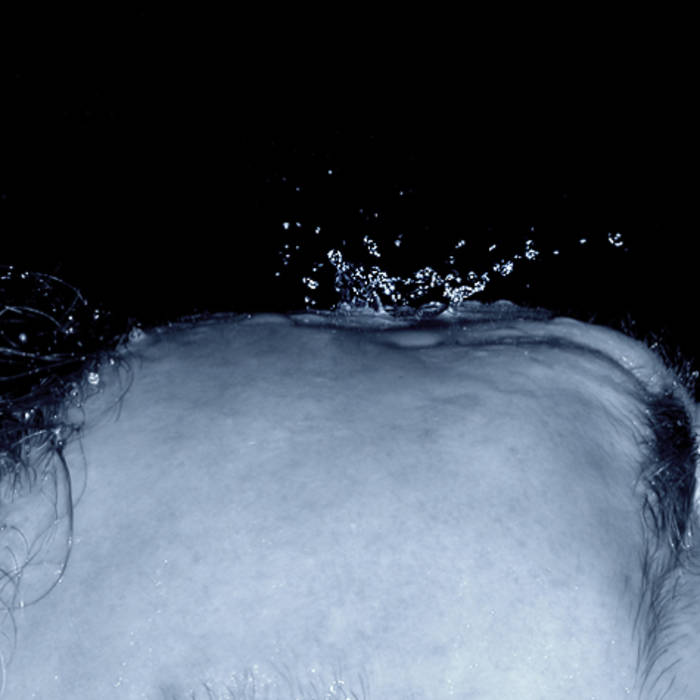
Let’s not forget the Chinese water torture, which, in spite of its name, was described by an Italian in the 15th century. It consisted of letting water drip onto the forehead of the victim, causing madness in the long run.
Some also argue that the drops could erode the skull of the victim.
Ancient tortures with fire
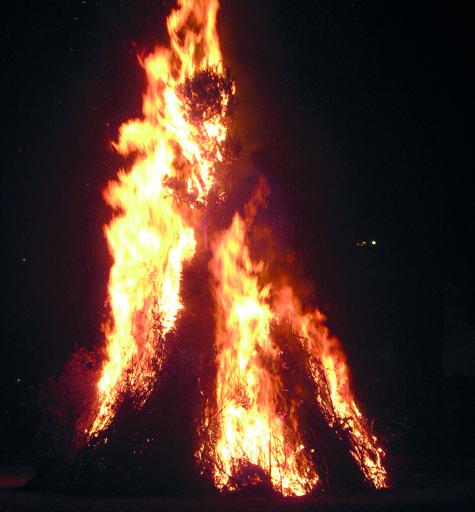
Fire too was seen as a purifying element and was widely used in ancient torture.
First of all the stake, often used in the Middle Ages as the death penalty for witches, but used in more ancient times as a form of torture or capital punishment.
The bull of Phalaris (or brazen bull) is another example of ancient torture using fire which I have already mentioned at the beginning of this article.
Fire was also used for branding, used both as torture and to mark the slaves.
Ancient tortures with animals

In ancient times people had not yet developed sophisticated tools for torture, apart from a few exceptions, and mainly used the elements of nature, including animals.
One of the worst tortures with animals is definitely scaphism. The condemned man was tied and left in a stagnant swamp, to be eaten alive by insects.
With the Poena Cullei (Latin for “penalty of the sack”) the victim was locked in a tight bag along with animals, and then thrown into the sea.
In the East, but not only, the most widely used animal for the torture and death penalties was the elephant, used to crush the limbs or the head of the victim.
In the West, however, many tortures included rats which disfigured and ate the flesh of the helpless prisoner.
Ancient torture with perforations or cuts
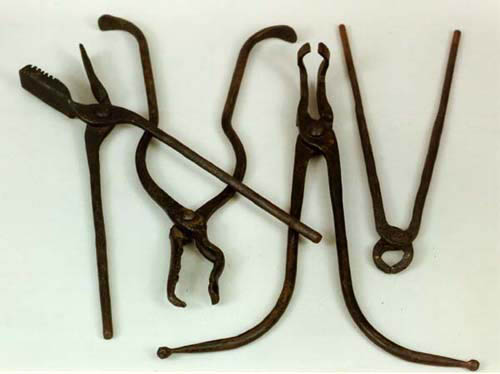
Decapitation or mutilation was very common in ancient times, but some torture went beyond just simple cuts.
For example, with the hanging, drawing and quartering, the victim was dismembered while the executioners tried to make him survive for as long as possible.
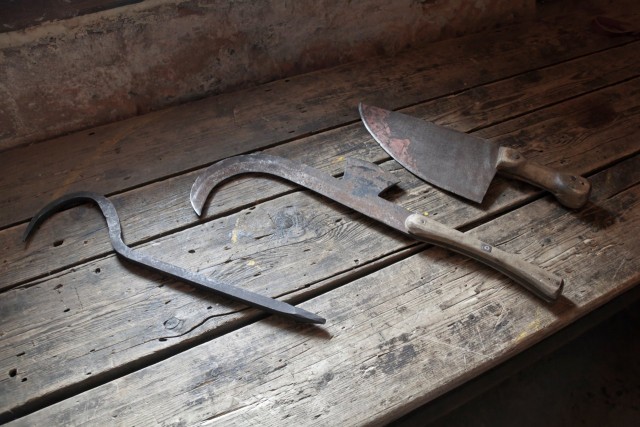
Flaying with blades was also performed, in which the victim was skinned alive in various parts of the body.
In the East, however, from the 10th century AD (around 900, under the Liao dynasty) the death by a thousand cuts (lingchi) was in force, which involved the cutting of multiple parts of the victim’s body, usually the muscles.
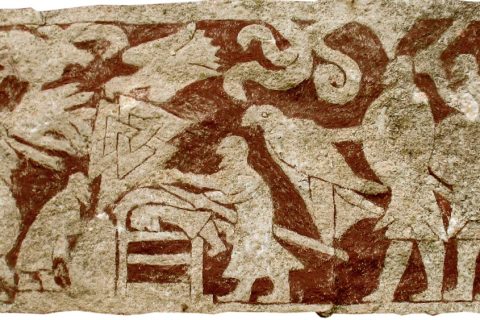
The Vikings instead opted for a bloodier torture, the Blood Eagle, in which the victim’s lungs were torn out (although historians still debate whether it was really practised or is a literary invention of the sagas).
And one of the most terrible tortures: impalement, which I believe needs no description.
A worthy rival of impalement is the crucifixion, used in ancient times but also, unfortunately, nowadays.
These are all important techniques used in antiquity.
But Lilith, what about the instruments of torture? And the Inquisition?
You’re right, the Inquisition and its instruments play a very important part in the history of torture, so much so that I decided to dedicate a special article to medieval torture.
🦋 Emadion lives through its readers. If this story kept you up at night, buy me a coffee: it helps me bring you the next nightmare.
☕ Support Emadion on Ko-fi