 Posted by
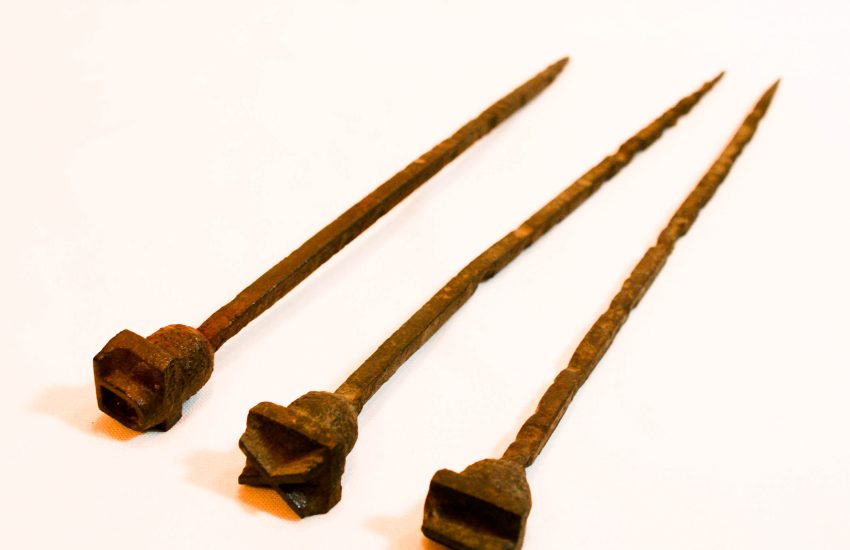
Branding is a process by which a mark or a symbol is imprinted into the skin with a hot branding iron.
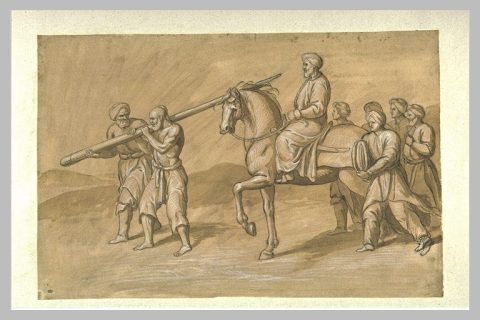
Nowadays it is used to brand cattle, but in ancient times it was used to mark slaves or criminals, or as a way to inflict torture. The practice goes back to ancient civilisations, which branded slaves because they regarded them as objects or animals.
In ancient Rome the slaves who fled were branded with the letters FVG (that is, FUG, since in Latin U was written as V), short for fugitivus.
Branding as a punishment
Throughout history branding was used as a form of torture. For example during the Inquisition, hot irons were applied to those accused of witchcraft to make them confess. Another example is the ordeal of fire:
the alleged witch had to walk a set distance with a burning hot iron cylinder in her hand. The cylinder had a variable weight, but started from half a kilo for less severe charges.
If the defendant managed to finish the route without suffering hand injuries, then it meant that the person was innocent and God had saved her, otherwise she would be condemned for witchcraft.
Throughout history criminals have also been branded because, in addition to the torture of hot irons on the body, they would be marked forever with the sign of the committed crime.
It’s interesting to note how during the Roman Empire the first Christians were tortured with hot irons on their faces because of their beliefs and how then, in the sixteenth century in Germany, those who were not Christians were marked with a cross on their forehead.
The North American Puritans of the seventeenth century, however, used to brand the letters for every crime on the chest, for example: A for adultery, D for drunkenness, and B for blasphemy.
During war times deserters were branded instead.
In Russia, the branding of criminals continued into the nineteenth century and was only abolished in 1863.
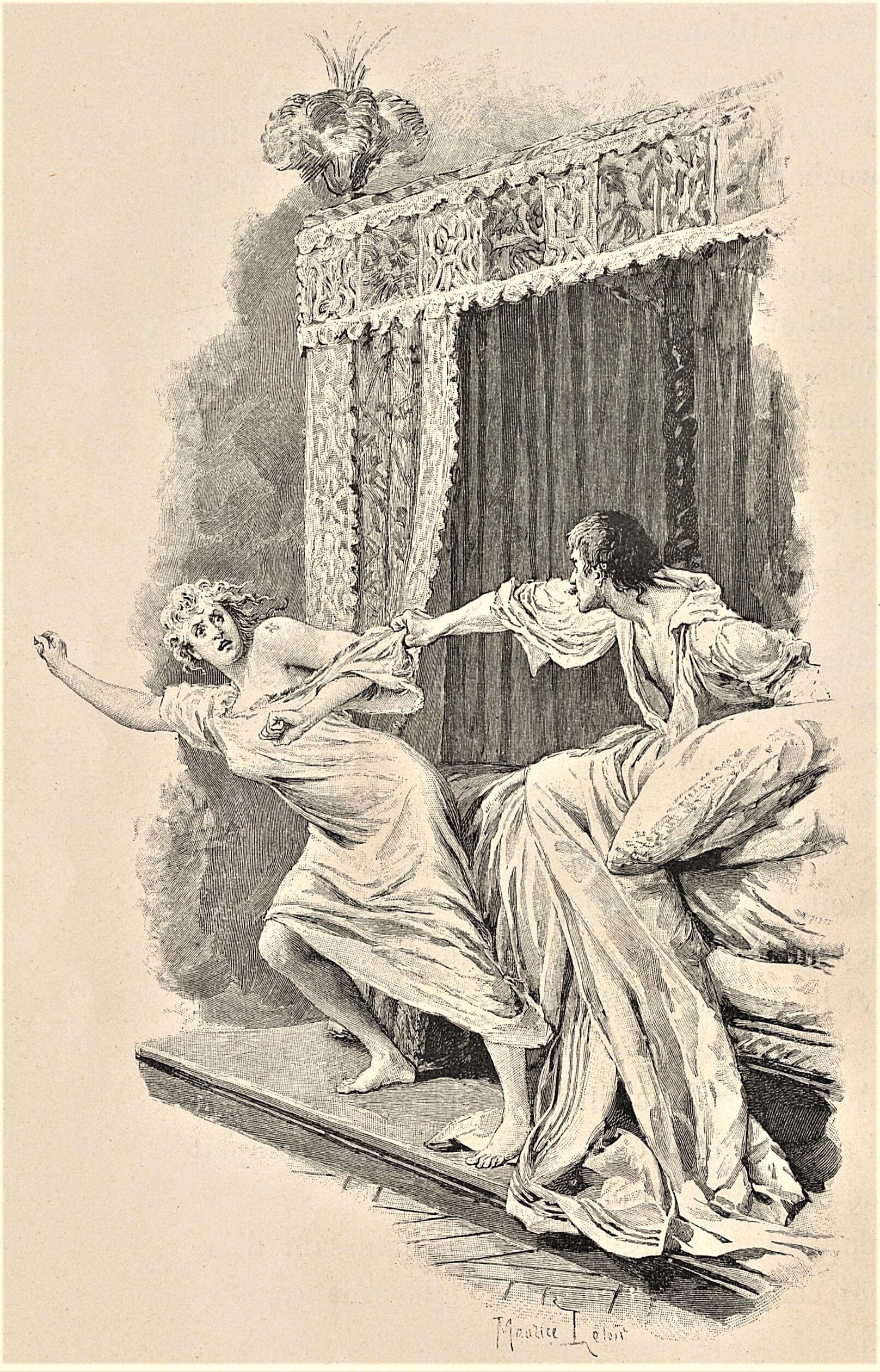
In France, convicts were branded on the shoulder with a lily, the fleur de lys, symbol of the monarchy. It’s the mark d’Artagnan discovers in horror on Milady’s shoulder in Alexandre Dumas’s The Three Musketeers: proof that the beautiful spy had once been convicted of a crime. Branding was only abolished in France in 1832.
In England, on the other hand, it was the thumb that was branded. From the Middle Ages, anyone who could read could claim “benefit of clergy” and escape the death penalty for certain crimes, but only once: so the judges had a letter burned into their thumb as a reminder, such as M for manslayer or T for thief. In the British Army, deserters were still being marked with the letter D as late as 1871, although by then the mark was made with needles and ink, more like a tattoo.
The branding of slaves in America
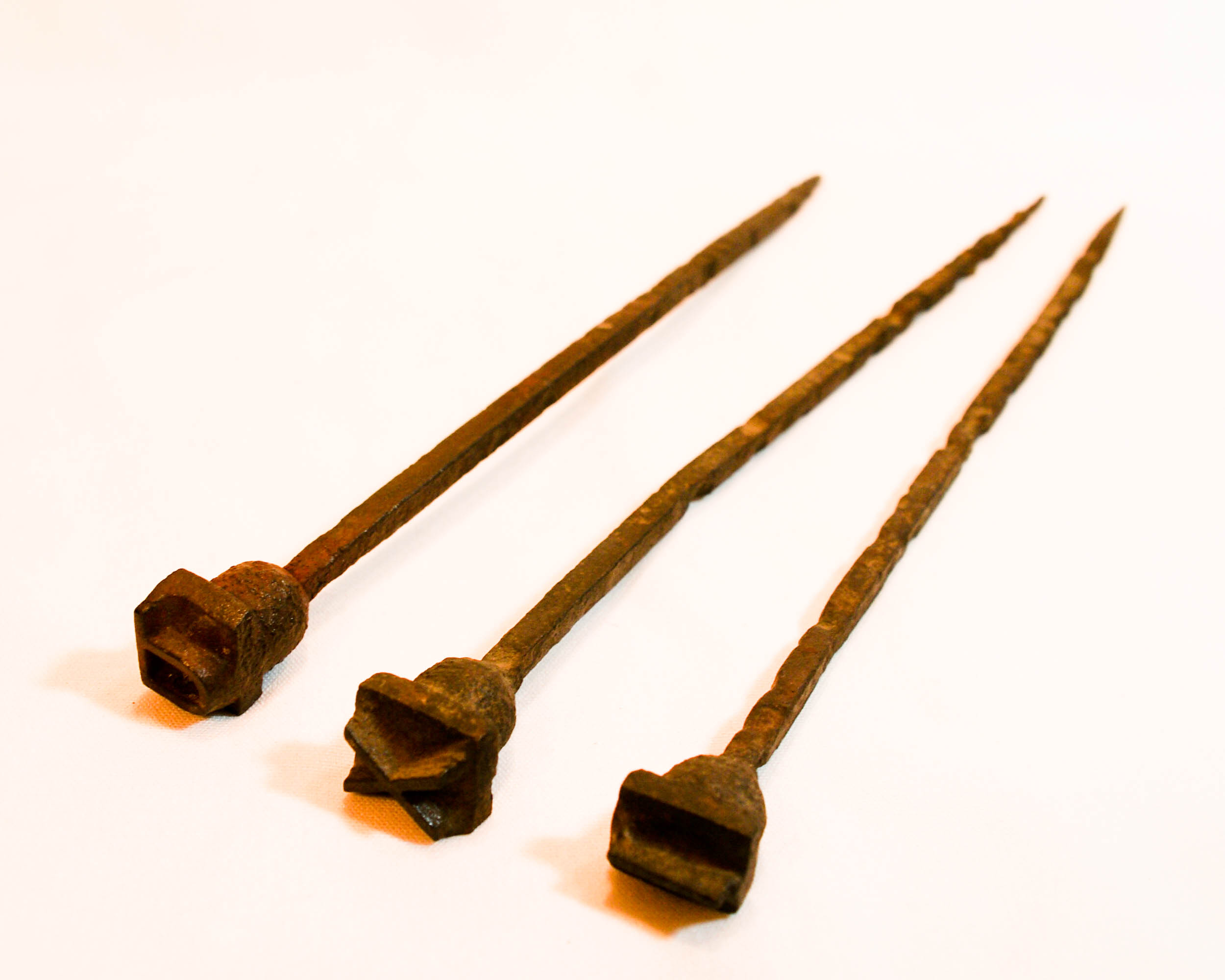
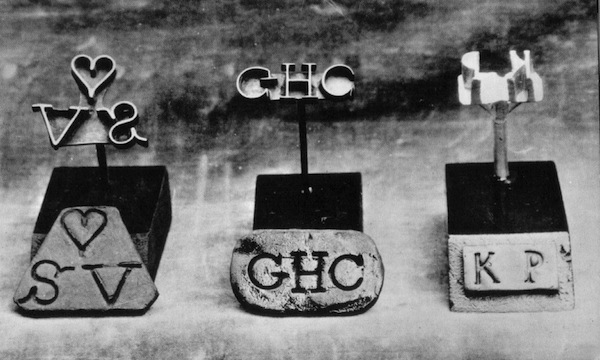
Slaves brought from Africa to America were regarded as objects or animals and their owners were entitled to mark them just like they did with the cattle.
Often slaves were branded several times: once when they were captured, they were marked with the crown of the nation who caught them, then with that of their master (and other masters if they were sold more than once) and then again when they were baptized.
In addition to branding they could be burned as a punishment, usually on their palms, shoulders, buttocks and cheeks.
The use of branding today
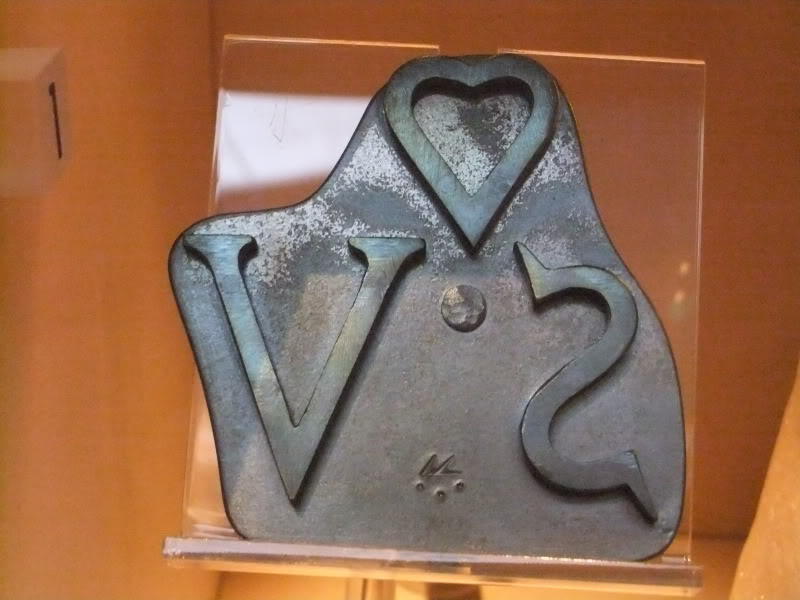
Today, branding is generally voluntary and it is used as a rite of initiation, for example in the American college fraternities; as a symbol of belonging, for example in gangs or organized crime; as decoration in place of tattoos.
🦋 Emadion lives through its readers. If this story kept you up at night, buy me a coffee: it helps me bring you the next nightmare.
☕ Support Emadion on Ko-fi