 Posted by
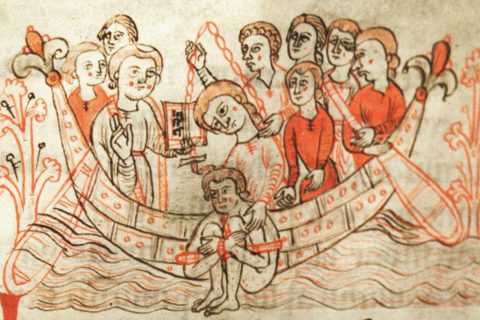
The execution by elephant was a form of capital punishment used in South and Southeast Asian countries, such as India and Sri Lanka, but elephants were also used in the West both during wars and as a form of death penalty.
Execution method
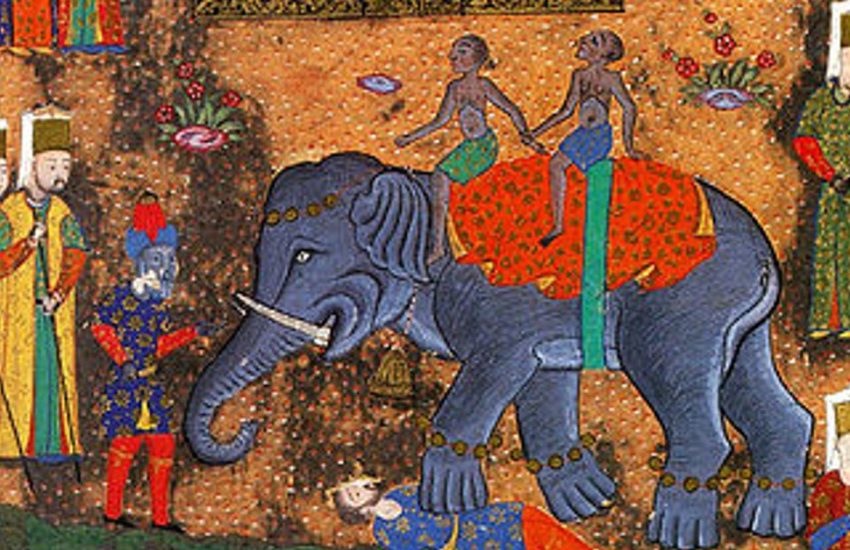
The elephants were trained to kill criminals who were sentenced to death in various ways. They were able to kill the victim immediately, by stepping on their heads, or they could make them suffer by inflicting terrible injuries.
Thanks to this ability, crushing was not only used as capital punishment but also as a form of torture.
The elephant was chosen for its docility and ease of training, but also because it represented royal power, sending a clear message to criminals: the king would kill them.
The horse could instead be trained to charge in battle, but it was never possible to use this animal to trample someone on purpose.
Although African elephants are larger than those from Asia, they are much harder to tame and that is why in Africa they were never used for this purpose.
From an account by the English sailor Robert Knox, published in 1681, we also know that sometimes iron blades were fitted to the tusks, with which the elephant impaled the victim.
Then it would fling the body to the ground and quarter it. Other times blades were fixed to the animal’s feet so that it could trample and cut apart those sentenced to death.
The Great Mughal’s elephants
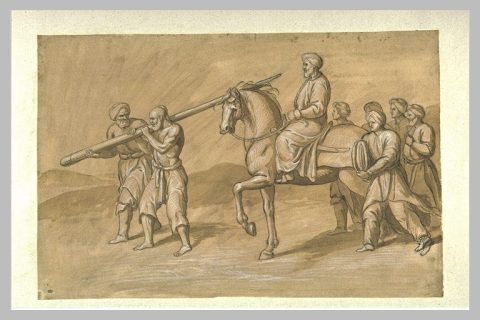
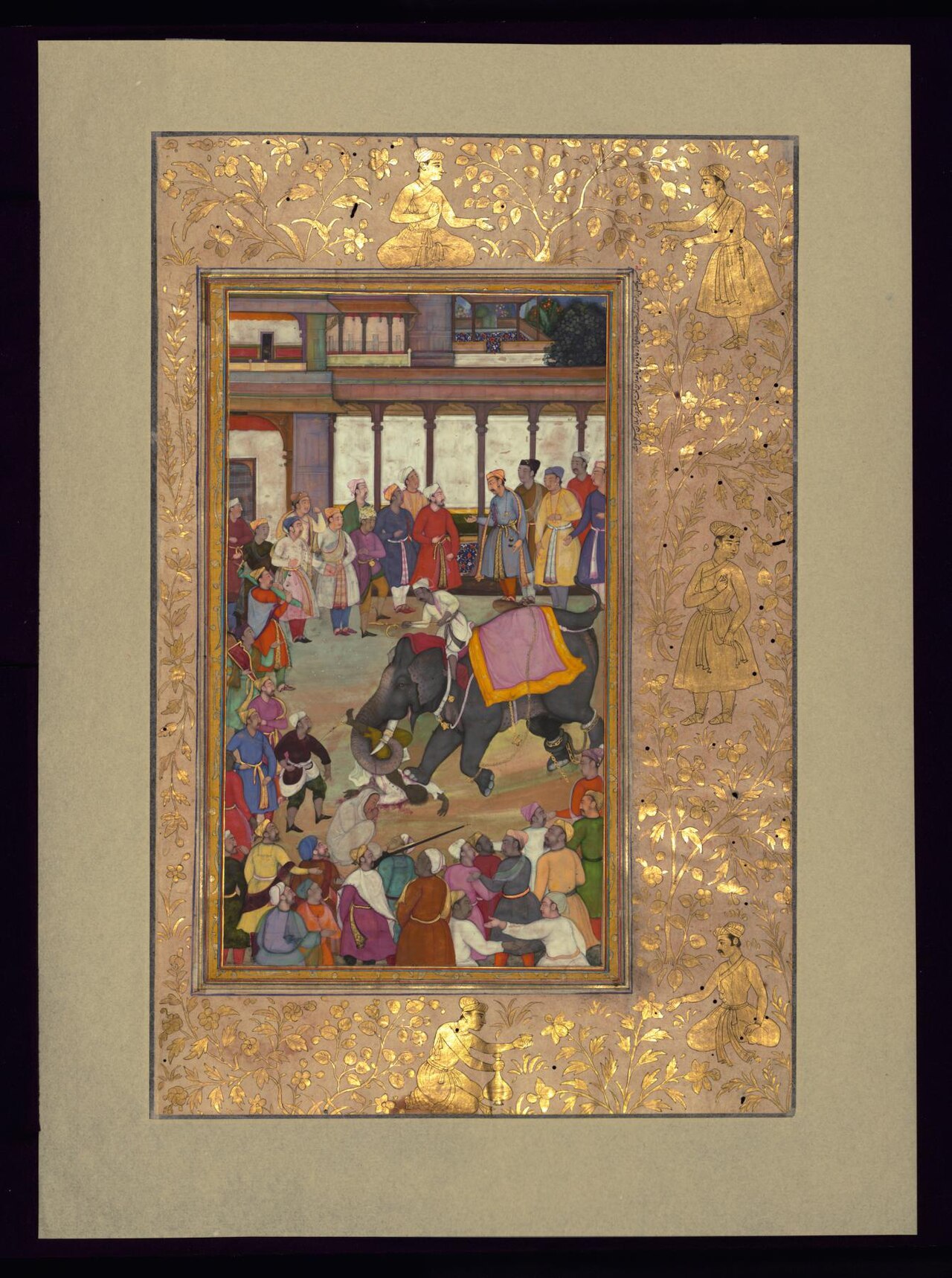
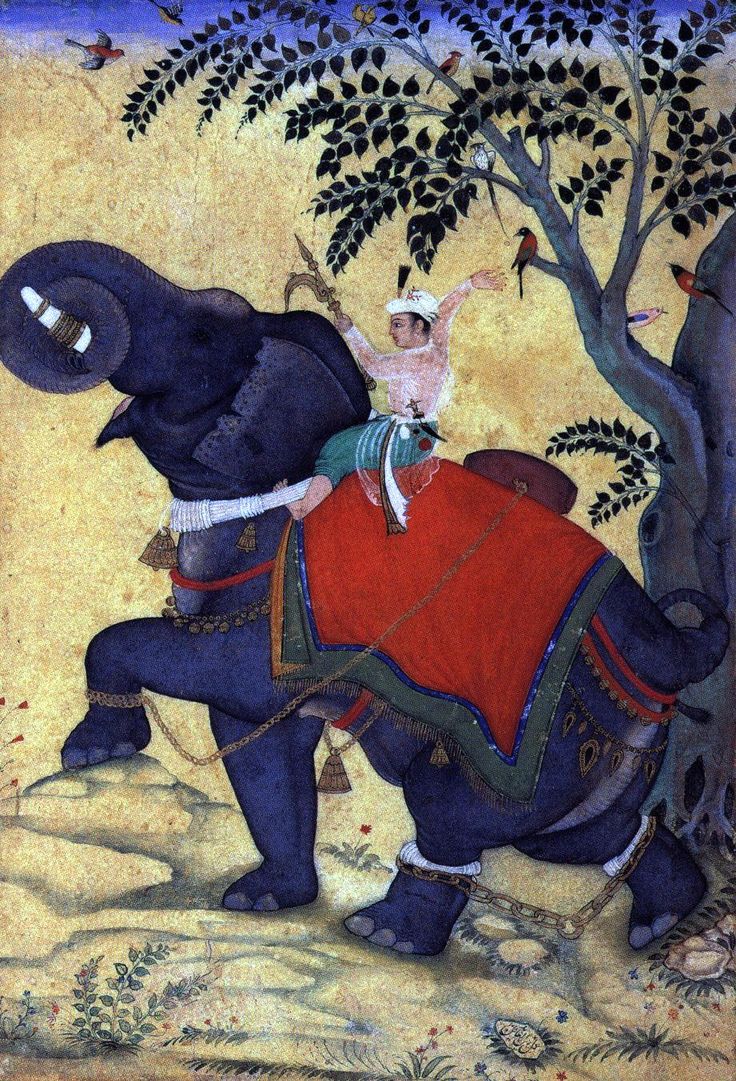
In India this punishment was used for centuries by both Hindu and Muslim rulers. The Mughal emperors in particular kept elephants trained for executions, and the chronicles record that Emperor Akbar, in the late 16th century, used them to punish rebels and traitors. The elephants even appeared in the miniatures celebrating his reign.
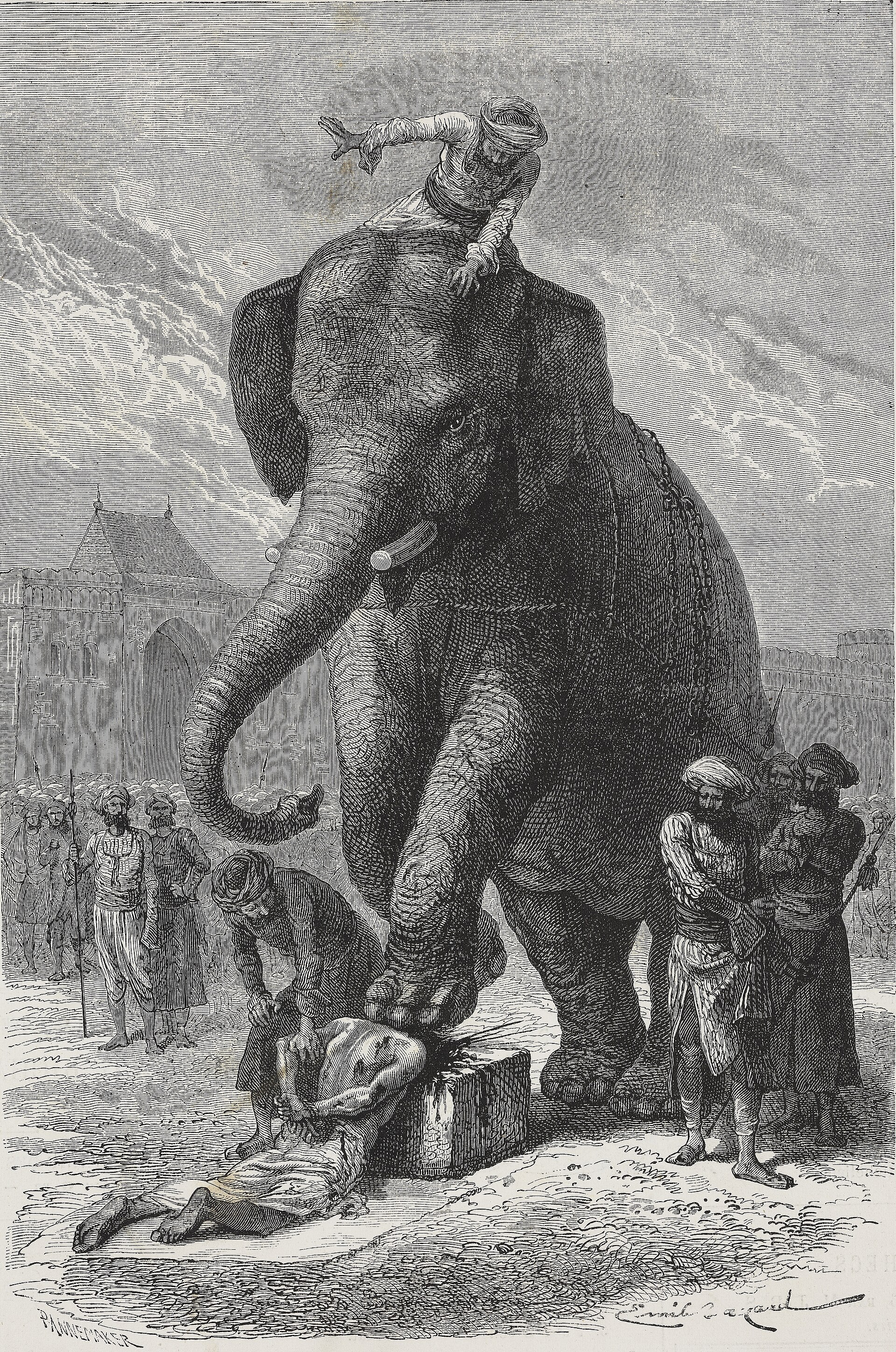
The practice survived for a long time under British rule too, in the semi-independent Indian princely states. As late as around 1868 the French traveller Louis Rousselet witnessed an execution by elephant in Baroda, and described it in an illustrated account published in the magazine Le Tour du Monde.
And in the West? After the death of Alexander the Great in 323 BC, the general Perdiccas had about three hundred mutinous soldiers trampled by elephants, according to the historian Curtius Rufus. The Carthaginians, during the so-called Mercenary War, and the Romans also used elephants to execute prisoners and deserters: in 167 BC the general Lucius Aemilius Paullus had deserters from his army crushed by elephants in front of the assembled troops.
History of the execution by elephant
In 1850, a British diplomat, Henry Charles Sirr, paid a visit to one of the elephants used by the last king of Kandy, Sri Lanka.
Although execution by elephant had been abolished by the British in 1815, after they had colonized the area, the king’s elephant used for executions was still alive and still remembered his work.
Sirr said that when they went to see the animal his keeper gave it the order to “kill the criminal.” The elephant then lifted his trunk as if he was lifting a person and made the gesture of putting the victim on the ground before him. Then he used his legs to crush what would have been the limbs of the criminal for a few minutes.
Then the guide gave the order to “finish the job” and the elephant used its legs to stomp hard on the point where the chest and the head of the executed would have been.
This shows just how intelligent elephants are, and what excellent memories they have.
🦋 Emadion lives through its readers. If this story kept you up at night, buy me a coffee: it helps me bring you the next nightmare.
☕ Support Emadion on Ko-fi