 Posted by
The cold water ordeal was a test used mainly against alleged witches: the accused, tied up, was thrown into water and, if they floated, they were guilty. Supported by James I and used systematically by Matthew Hopkins between 1644 and 1647, it was banned but survived for a long time among ordinary people: in 1751 Ruth Osborne died this way. Its origins go back to the Sumerian codes and Hammurabi.
Ordeals were physical tests that, in the past, people accused of various crimes, mostly witchcraft and adultery, had to pass in order to be found innocent.
The ordeal was known as the “judgment of God” and was based on the belief that, during the test, God would help the innocent.
Widely used in Britain, in the early English colonies of North America and in Europe from about 1400 to 1700, the ordeal actually has origins going back 4,000 years.
There were various types, and in this article I’ll tell you about the cold water ordeal, as opposed to the boiling water ordeal.
The cold water ordeal
If someone was accused of witchcraft or adultery, they would have to undergo an ordeal to prove their innocence.
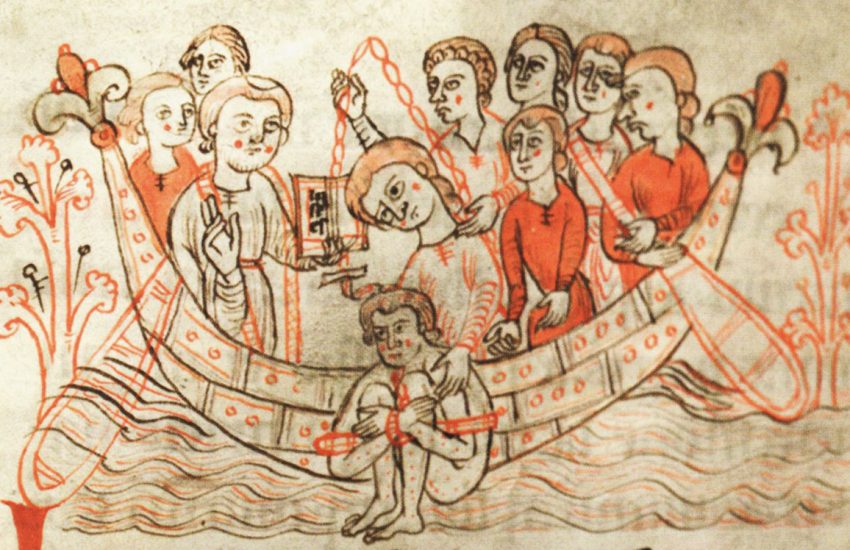
In the cold water ordeal the accused was stripped, then bound hand and foot with a rope. After they are tied, a piece of rope is left dangling, with a knot in the end far enough away from the body.
Then the victim was thrown into a river or a lake. If the sinking victim was dragged to the end with the knot, then they were found innocent. If they were lucky, they would also be pulled out before drowning.
If they floated, it meant they were guilty. This was based on the idea that water, considered a “universal” and sacred element, would reject the accused because they were guilty.
In particular, it was believed that since witches had rejected baptism by joining Satan, water, the symbol of baptism, would reject them and push them to the surface.
The ordeals were banned and their last official use was recorded in England in 1717. However, the people did not so easily abandon them and continued to implement them until the second half of the 1700s.
The witchfinder
In England the cold water test, known as “swimming”, had a powerful supporter: King James I. In his treatise Daemonologie of 1597 he wrote that water rejected witches because they had renounced their baptism, and that the test was therefore reliable.
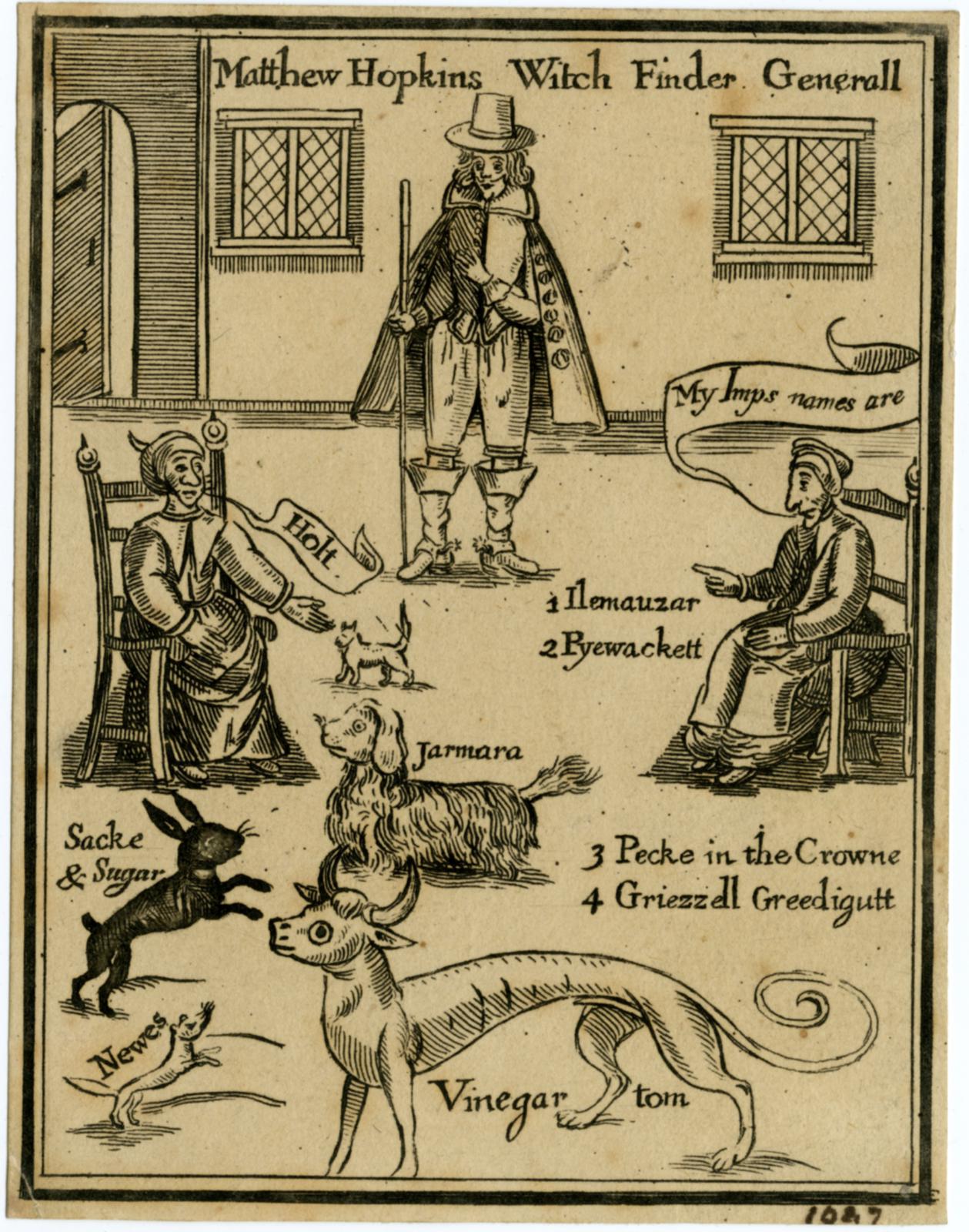
A few decades later it was used systematically by Matthew Hopkins, the “Witchfinder General”, who terrorised eastern England between 1644 and 1647. Hopkins and his partner John Stearne were responsible for the deaths of around a hundred people, more than had been executed for witchcraft in England in the whole previous century. Besides the water, Hopkins kept the accused awake for days until they confessed.
As for ordinary people who kept using the test after it was banned, the most tragic case is that of Ruth Osborne. In 1751, at Tring in Hertfordshire, a mob dragged her and her husband into a pond to “prove” they were witches. Ruth died. One of the ringleaders, Thomas Colley, was tried for murder and hanged.
The ducking stool
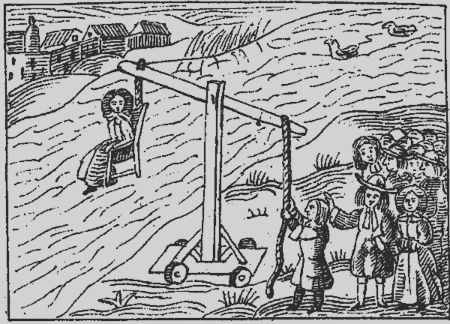
The ducking stool was perhaps a descendant of the cold water ordeal. However, it was not used to judge, but to humiliate the accused.
It was mainly reserved for quarrelsome women, who often quarreled and disturbed the neighbors as a way to cool their “hot spirits.”
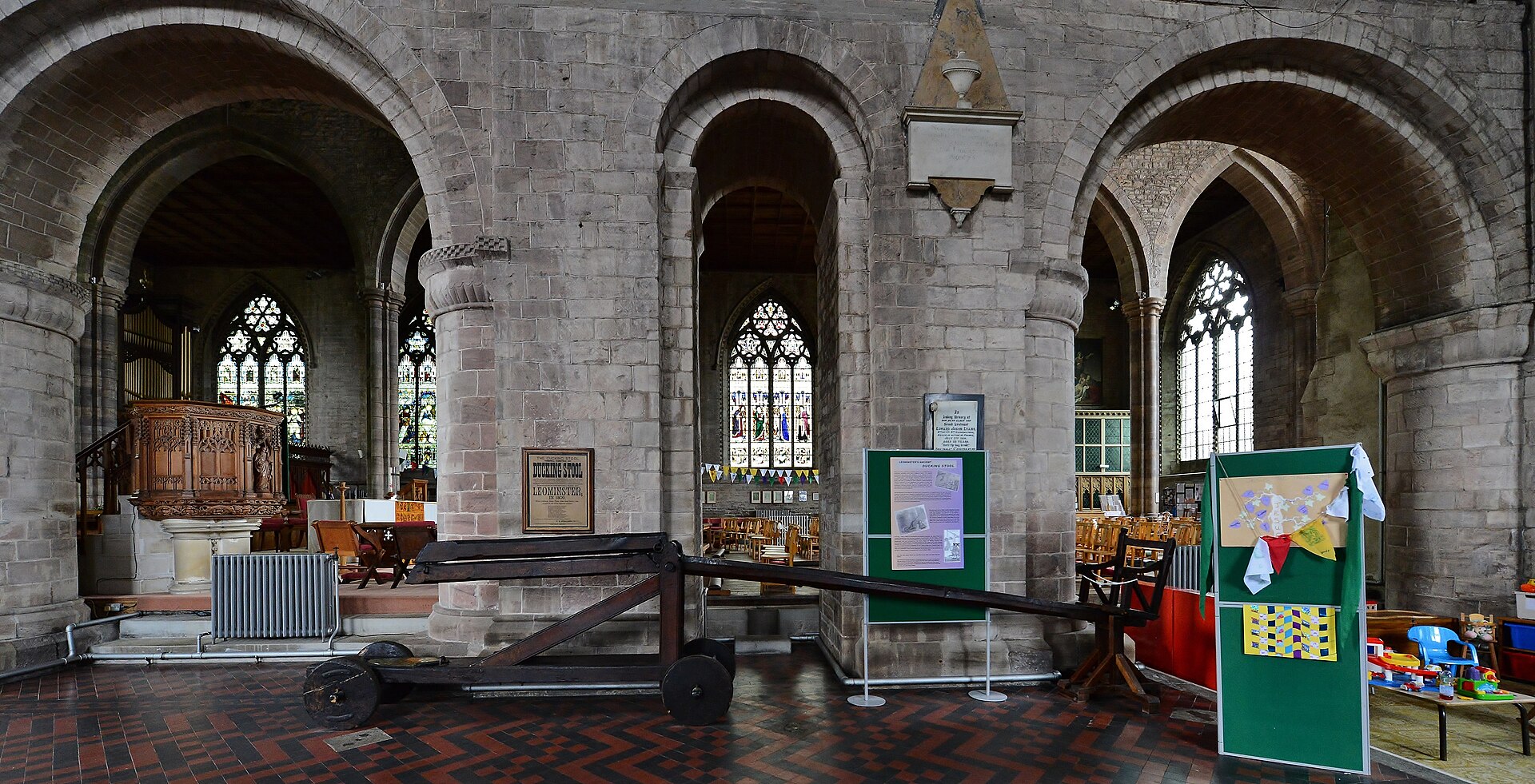
The stool was mounted at the end of a beam that was secured to a rotatable platform with a pin.
The victim was made to sit on the stool and carried through the streets of the city, then was brought close to a river or the sea and immersed in the water several times.
Since it was a method to humiliate, however, often the water used was not the clear water of a river, but a muddy pond or, even worse, the victim was immersed in a pond near the old sewers, emerging covered in excrement.
Even though it was only meant to humiliate, there were no rules on how it should be carried out. So a woman could be submerged an indefinite number of times.
In 1731, however, a woman drowned after being dunked too many times and too violently.
The last recorded use of the ducking stool in England dates back to 1809, in Leominster, when a woman named Jenny Pipes was ducked as a punishment. The Leominster stool can still be seen today, kept in the town’s Priory church.
Origin
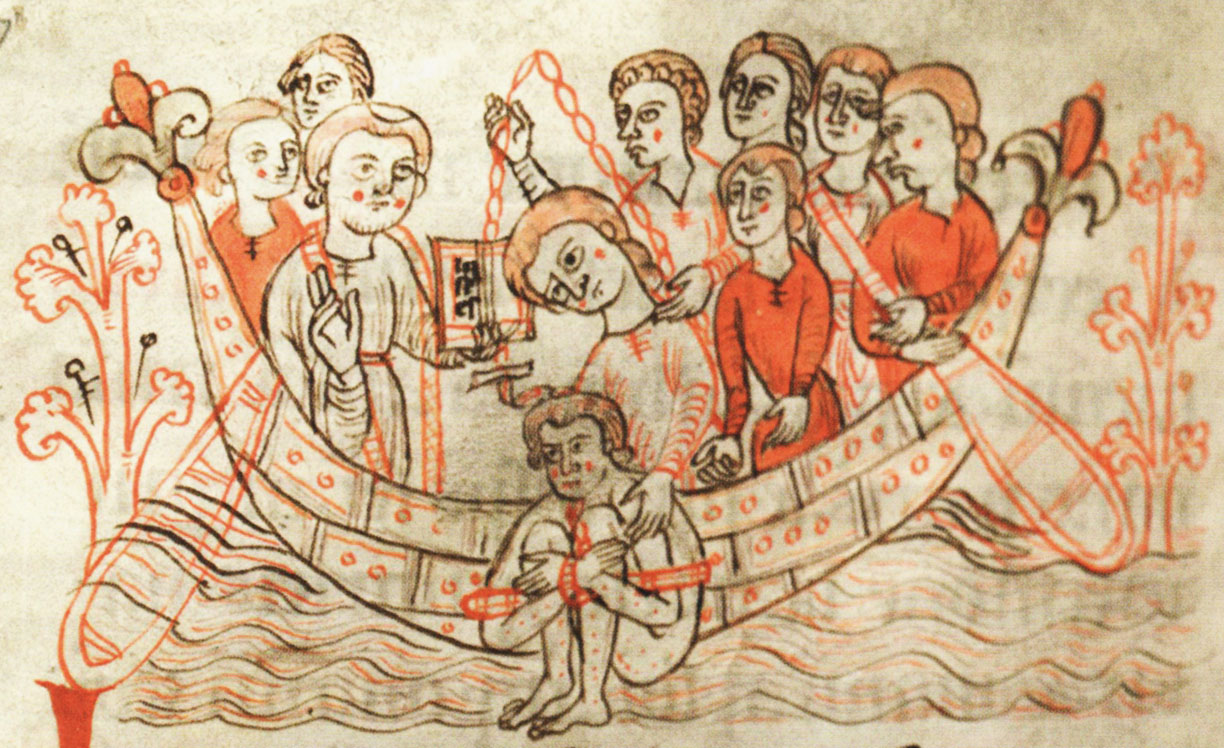
Despite the ordeals being associated with witches, the origin of the “judgment of God” is very old. The first reference to an ordeal is found in the Sumerian Code of Ur-Nammu, a ruler who reigned from 2112 BC to 2095 BC. If the holy river overcomes him, his accuser shall take possession of his house.
🦋 Emadion lives through its readers. If this story kept you up at night, buy me a coffee: it helps me bring you the next nightmare.
☕ Support Emadion on Ko-fi