 Posted by
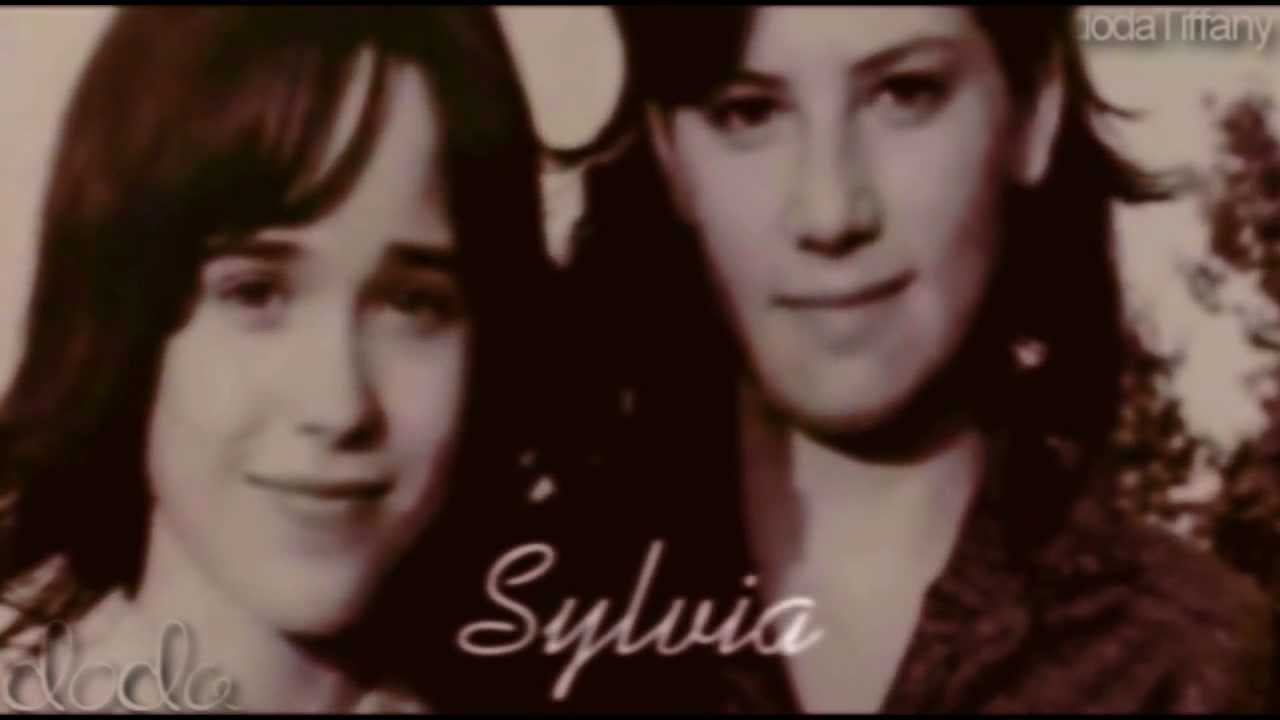
Sylvia Likens was a girl of 16 who was tortured and killed by Gertrude Baniszewski, with whom she lived. Some of her seven children and two boys from the neighborhood helped her with the torture.
Family
Sylvia was the daughter of two carnies, often traveling around the country. She was born between two sets of twins and often, because of her parent’s job, she and her younger sister Jenny, who suffered from polio, were left in the care of relatives so that they would not miss school.
Her parents‘ marriage was not working and the two separated. Shortly after the separation Sylvia’s mother was arrested for theft.
Her husband then decided to send Sylvia and Jenny to live with Gertrude Baniszewski, mother of one of Sylvia’s friends whom they had only known recently, and paid her $20 a week.
Gertrude’s family, who had seven children, was poor but Sylvia’s father will later say he was not aware of it because he had not wanted to poke around in their lives.
He also encouraged Gertrude to “straighten” the two girls.
Gertrude, a woman described as emaciated, underweight, asthmatic and depressed because of the many failed marriages, began beating the two girls because of the delay in the payment of their maintenance.
Soon, however, she focused her anger only on Sylvia after accusing her of stealing candy.
Torture and death of Sylvia Likens
One of Gertrude’s daughters, Paula, who was pregnant at that time, beat Sylvia and one day she kicked her, accusing her unjustly of being pregnant.
She was also accused, unjustly, of having spread rumors about Paula and her sister Stephanie. According to the accusations, she had spread a rumor at school that the two sisters were prostitutes.
This provoked the anger of Stephanie’s boyfriend, Coy Hubbard, who started to beat Sylvia.
Gertrude not only did not stop him but rather encouraged him, her other children and some neighborhood kids to beat and torture the poor girl.
Some of the torture consisted of extinguishing cigarettes on her skin, beating her while she was hanging with ropes from the ceiling, burning her with boiling water, forcing her to eat things that made her throw up.
She was also sexually abused, which out of respect I will not describe. Paula once hit her in the face with so much violence that she broke her wrist.
The two sisters then tried to get in touch with their family and were able to send letters to their sister, Diana, who at the time was 18 years old. Diana went to the Baniszewski house but didn’t alert the police and left her sisters there. Not even their parents did anything.
Soon Gertrude prevented Sylvia from going to school and leaving the house, keeping her tied to the bed. After Sylvia, who was unable to move, wet the bed Gertrude locked her in the cellar.
She was deprived of food and water, so much so that Jenny said that her sister did not produce any more tears because of dehydration.
She was also forced to eat her own feces and those of Gertrude’s one year old son, and to drink urine.
Shortly before the girl’s death Gertrude began branding her permanently on her stomach, with a red-hot needle, a humiliating phrase, but the job was finished by Richard Hobbs, one of the neighborhood kids. Richard, who was 14 at the time, along with Gertrude’s ten-year-old daughter Shirley, also tried to brand the letter S on Sylvia’s chest (though it would later look like a 3).
On October 25th, 1965, the day before her death, Sylvia tried to escape after hearing Gertrude talking of a plan to get rid of her but she was captured just as she reached for the front door.
She was then relegated back into the basement and the next day, after beatings, burns and scalding with boiling water, Sylvia died of cerebral hemorrhage, shock, and malnutrition.
Gertrude called the police and delivered them a letter that she had forced Silvia to write a few days before.
In the letter, addressed to her parents, Sylvia, forced by Gertrude, wrote that she had been attacked and tortured by a gang of unknown boys, to throw off suspicion.
Jenny, however, approached a policeman and whispered:
“Get me out of here and I’ll tell you everything.”
Trial
During the trial, which got a lot of media attention, Gertrude said she was not responsible because she was mentally ill. She had too much to do with her illness to be able to control her children.
The lawyers of her children, who were all minors, insisted instead that they had been driven by Gertrude to commit torture.
When Gertrude’s eleven-year-old daughter was called to testify, she confessed that her mother forced her to heat the needle which had been used to engrave phrases on Sylvia’s body and that she had seen her mother beat the girl and push her in the cellar.
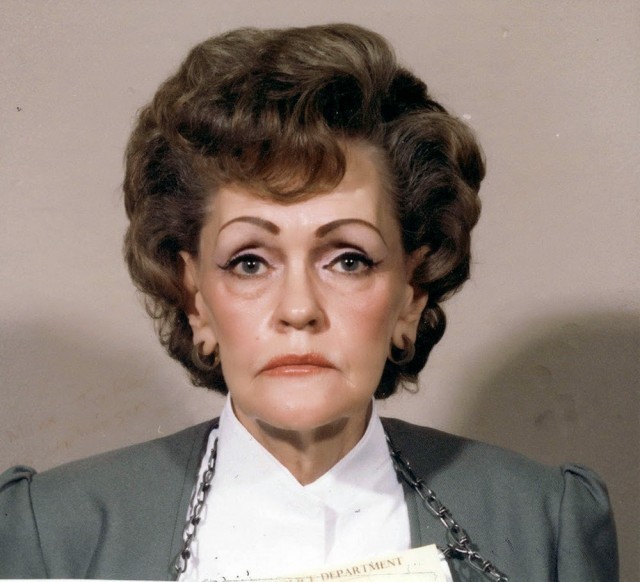
In 1966 Gertrude was convicted of first-degree murder but she managed to avoid the death penalty, being sentenced to life imprisonment.
Her daughter Paula was sentenced to life imprisonment while Richard Hobbs, Coy Hubbard and John Baniszewski were sentenced to terms of 2 to 21 years.
 The two boys only served two years; Paula, after a second trial and pleading guilty, served two years in prison and was then released.
Gertrude was again sentenced to life imprisonment but after 19 years she was freed and let out on parole.
Five years after her release Gertrude died of lung cancer. So did Richard, just 21 years old, four years after his release from prison.
John died in 2005 at age 52 after having long suffered from diabetes. Coy went in and out of prison several times and died of heart failure in 2007.
Paula changed her name and worked as a teacher’s aide at a school in Iowa for 14 years before being discovered and fired in 2012.
Many books have been written and two films shot: “An American Crime” and “The Girl Next Door” both from 2007 (the second is based on the novel by Jack Ketchum, loosely inspired by the case).
What remains today
The house on New York Street in Indianapolis where Sylvia was tortured was demolished on 23 April 2009, and today the site is a church parking lot. In June 2001 a granite memorial to her was dedicated in Willard Park, Indianapolis.
Her death also contributed to the adoption in Indiana of the law requiring anyone who suspects that a child is being abused or neglected to report it to the authorities.
🦋 Emadion lives through its readers. If this story kept you up at night, buy me a coffee: it helps me bring you the next nightmare.
☕ Support Emadion on Ko-fi