 Posted by
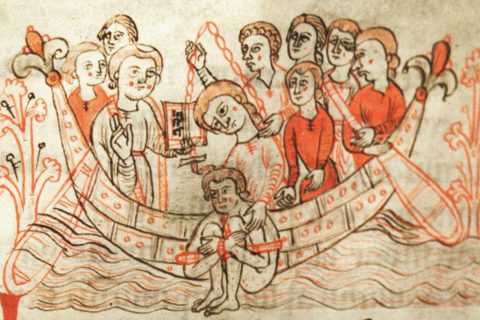
Death by boiling was a form of torture and capital punishment in use in various parts of the world.
In the popular imagination, death by boiling is associated with the natives of faraway islands. However, this is due to the early tales of explorers that described how those native tribes killed Christian missionaries and wrongly cited boiling as one of the methods to cause death.
This version soon spread and many movies were made where cannibal tribes boiled missionaries alive and explorers, making this erroneous piece of information a cliché.
Execution
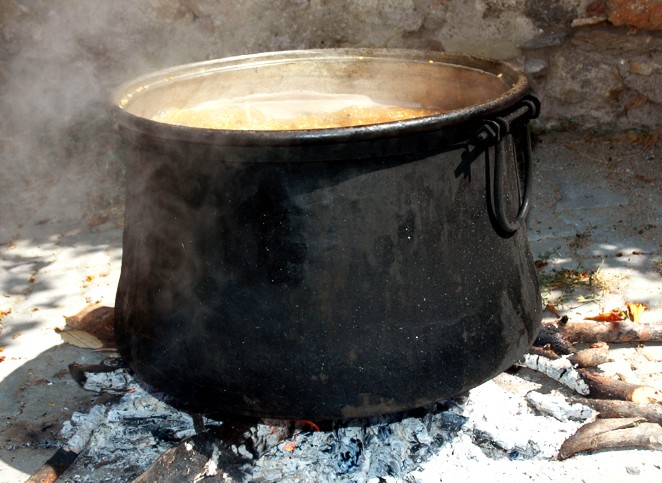
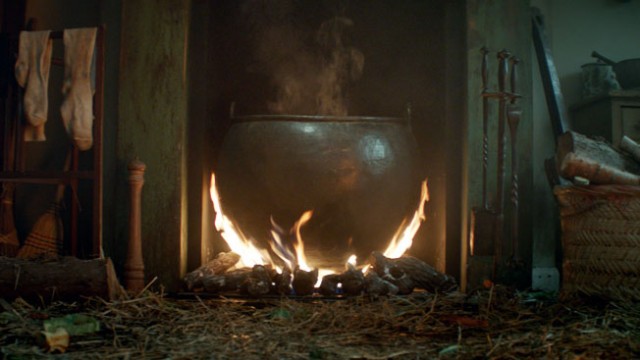
Death by boiling was carried out in a large container, such as a cauldron. This container was filled with liquids such as water, oil, tar or tallow and was equipped with a hook linked to a pulley to hold the condemned.
Death was caused by severe fourth-degree burns. The skin was destroyed, exposing the subcutaneous fat that was also damaged by the intense heat. When used as a torture, only one limb of the victim was immersed in the liquid, or in some cases the entire lower body was put in the cauldron.
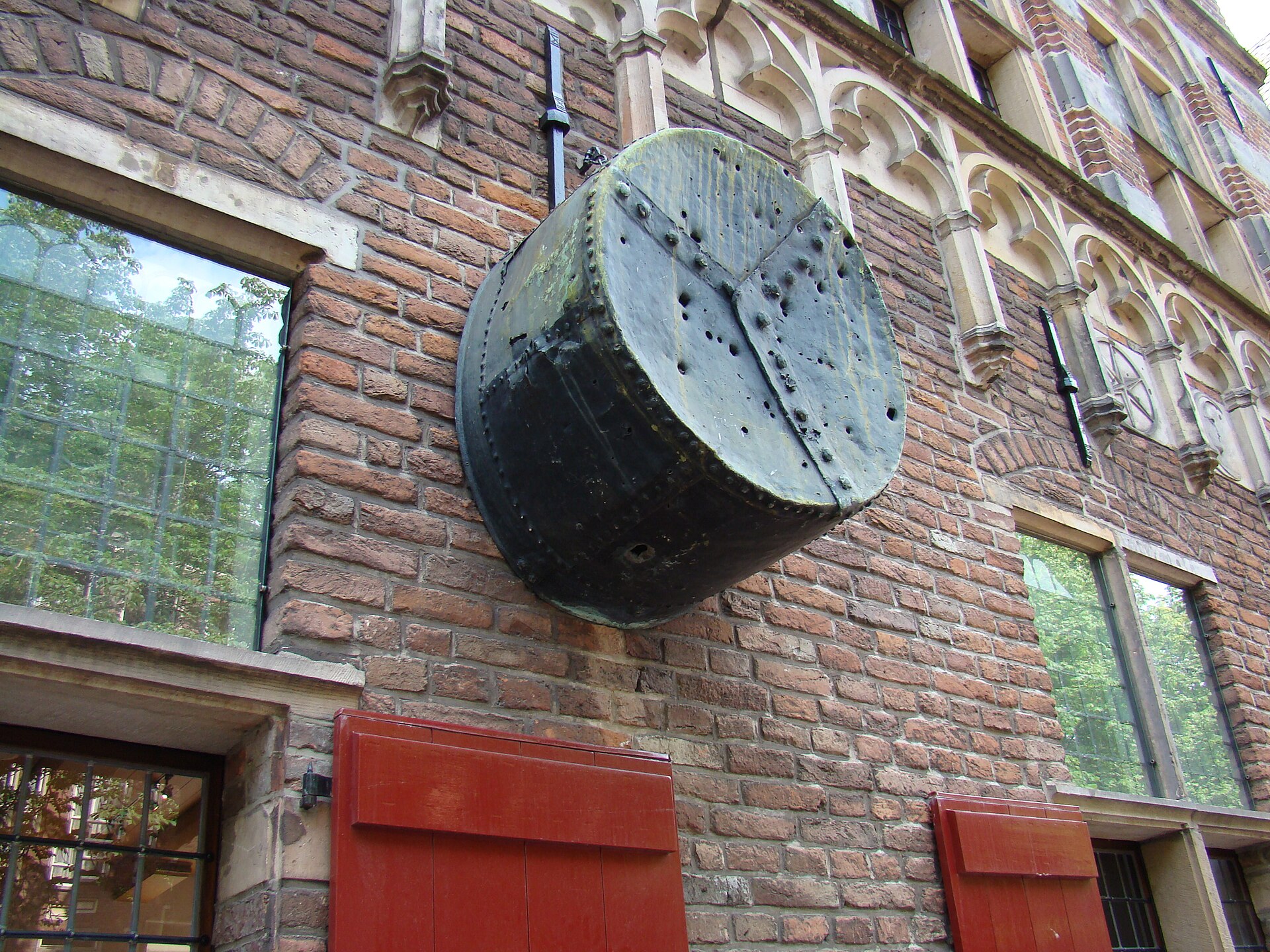
In the Dutch city of Deventer it’s still possible to see a cauldron used for these executions. It hangs on the façade of the Waag, the town’s old public weighhouse, and tradition says that a counterfeiter was boiled alive in it in the 15th century.
History of death by boiling
The first evidence of death by boiling dates back to 203 BC in China, where this treatment was reserved for spies.
In the sixteenth century instead it was used in Japan to kill the bandit Ishikawa Goemon in a public execution. Goemon, a kind of Japanese Robin Hood, was boiled alive in Kyoto in 1594 together with his young son, on the orders of Toyotomi Hideyoshi. His legend is so deeply rooted in Japan that traditional iron bathtubs, heated by a fire lit underneath, are still called goemonburo, “Goemon’s bath”.
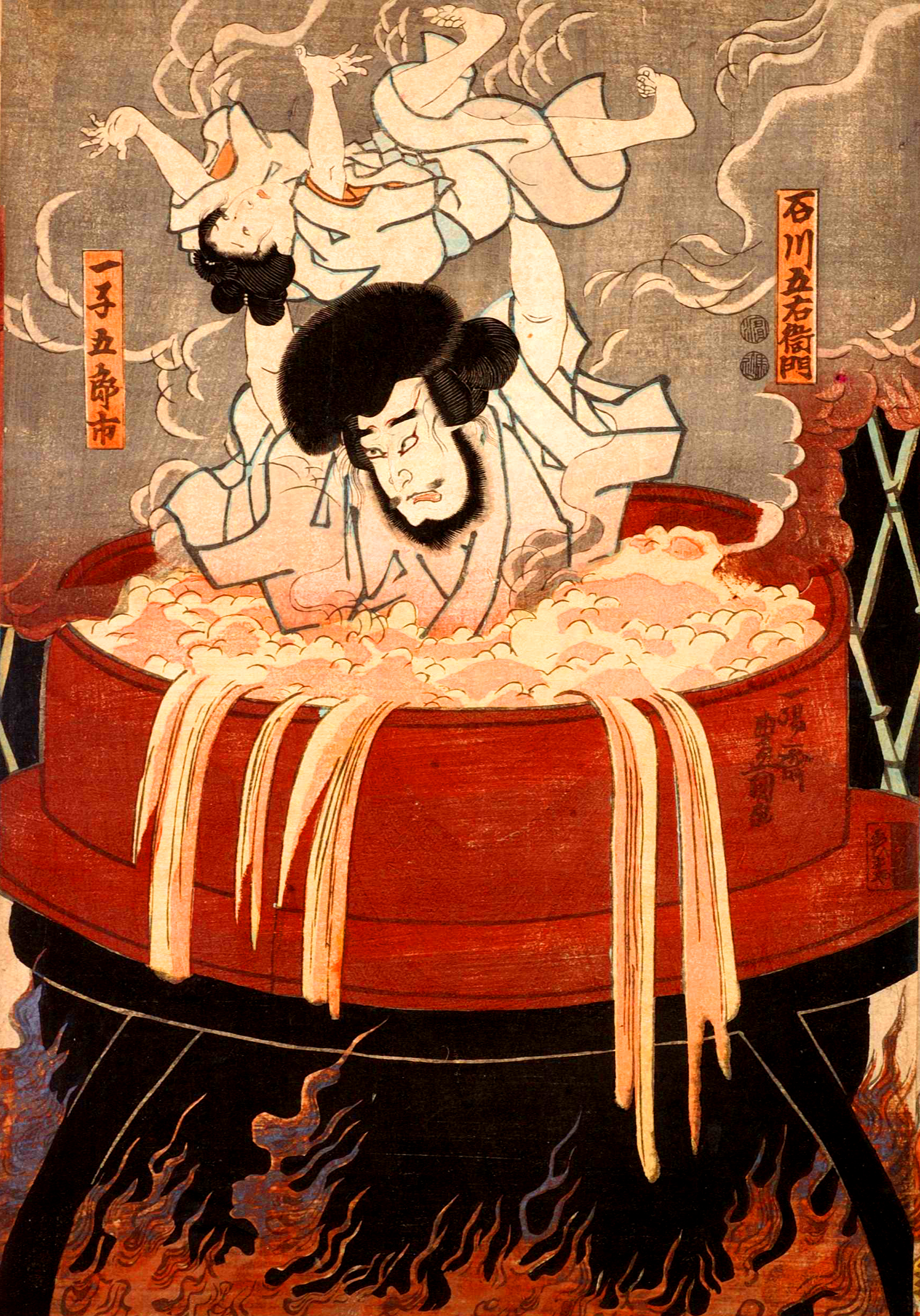
This punishment, however, was not only used in Asia but also in Europe. In England, for example,
it became a form of capital punishment in 1531 under the reign of Henry VIII.
It was used with poisoners and traitors. In 1532 it was used to punish Richard Roose, guilty of having poisoned porridge served to various people. His public execution was described like this:
“He roared mighty loud, and divers women became ill at the sight and had to be carried away half dead; others did not seem frightened by the boiling but would have preferred to see a beheading.”
In Scotland too there was no shortage of executions by boiling, for example
in 1222 Bishop Adam of Melrose and a monk guilty of having collected taxes too aggressively were boiled alive.
Another gentleman was boiled alive in 1321 after being accused of witchcraft.
In the Holy Roman Empire boiling in oil was reserved for counterfeiters of coins and those who committed particularly serious murders. In 1392 in Nuremberg a man was sentenced to death by boiling for raping and murdering his own mother.
We have records of a death by boiling even in 1687 against a man guilty of counterfeiting money.
According to the UN, in recent times boiling was allegedly used by the government of Uzbekistan, under Islam Karimov, against alleged terrorists.
The best-known case dates from 2002. In Jaslyk prison, in the Uzbek desert, two inmates accused of Islamic extremism died. The body of one of them, Muzafar Avazov, was returned to his family with burns over much of his body. A medical report commissioned by the British embassy concluded that they were consistent with immersion in boiling water. The case was exposed by the British ambassador to Uzbekistan at the time, Craig Murray, who was later removed from his post for his criticism of the Karimov regime.
🦋 Emadion lives through its readers. If this story kept you up at night, buy me a coffee: it helps me bring you the next nightmare.
☕ Support Emadion on Ko-fi