

 Posted by
White torture is a form of psychological torture based on sensory deprivation: the prisoner is locked in an all-white, soundproofed cell, with the light always on and white, tasteless food. It causes hallucinations and permanent psychological damage. It is associated above all with Evin prison in Iran, but similar techniques have also been used in Europe, the United States and Venezuela.
Human beings are notorious for constantly inventing new ways to torture one another. The white torture, a form of modern torture, is the product of this terrible ingenuity.
When you hear the word torture you usually think of physical pain, but white torture is a very powerful form of psychological torture.
Particularly used in Iran, there is also evidence of its use in Ireland, the United States, Venezuela and parts of Europe.
What is the white torture?
The white torture is essentially sensory deprivation.
The prisoner is locked in a completely white, soundproof room. White is used to target all the senses:
- The sight:
White light comes from neon tubes positioned so as not to cast any shadow, and the prisoner is dressed in completely white clothes.
- Hearing:
The room is soundproof or alternatively it is located in a remote place where voices cannot be heard. In this latter scenario the guards stand in silence and use special padded shoes in order to avoid causing any noise.
- Touch:
All surfaces are smooth
- The taste and smell:
Each day they are served white food, usually unseasoned rice to deprive them of the senses of taste and smell.
Although it may seem less formidable than other corporal punishment, this torture leads quickly to hallucinations and has long-term adverse effects. The prisoners can be kept in this state for months or even years, and once outside the room the psychological consequences will be permanent
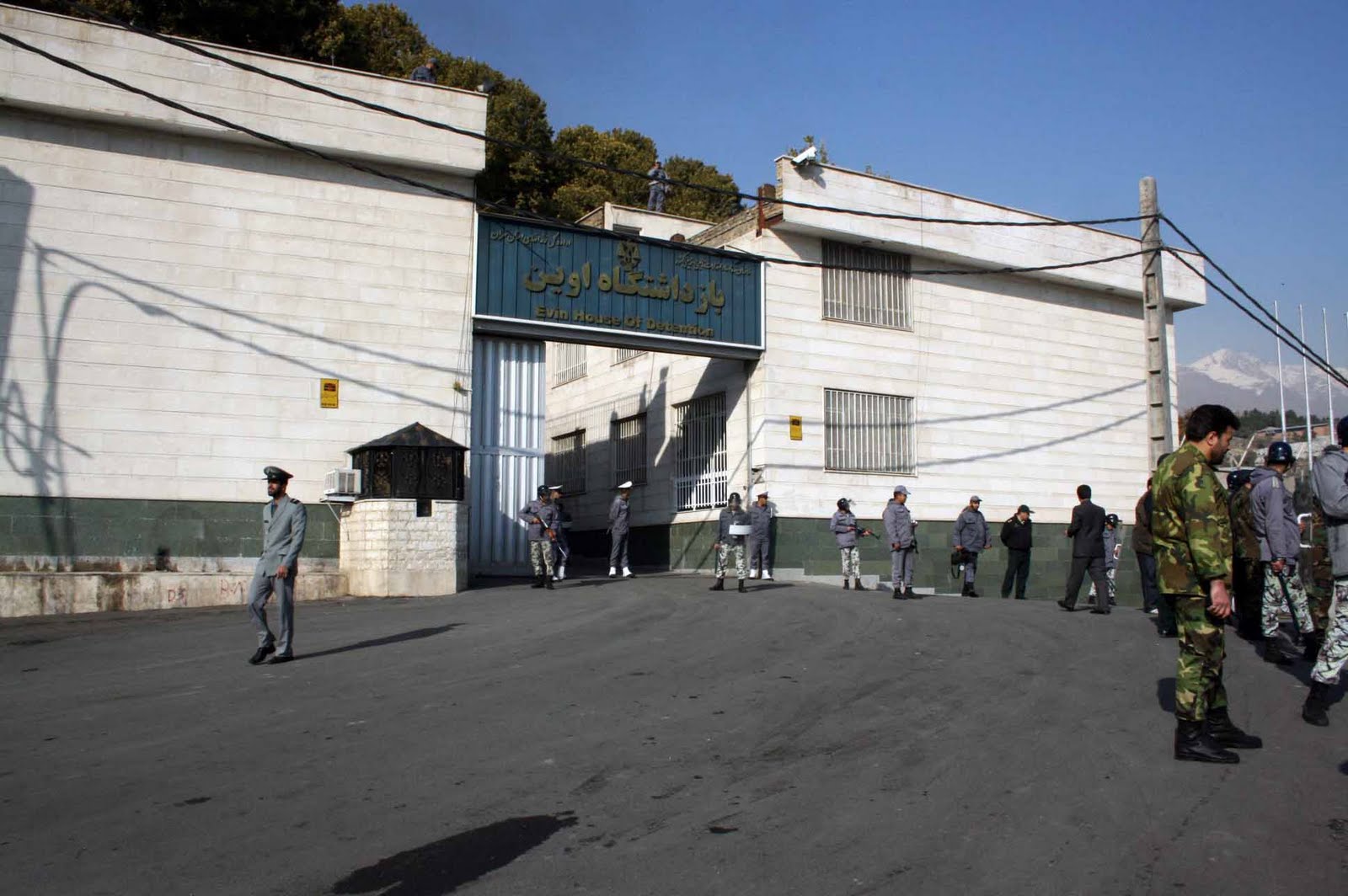
In Iran white torture is associated above all with Evin prison in Tehran, and in particular with Ward 209, run by the Ministry of Intelligence, where political prisoners are held. Many former detainees describe spending weeks or months in windowless solitary cells, with the light always on, never knowing what time or day it was.

Testimonials
Amir Abbass Fakhravar
Amir Abbas Fakhravar is considered the first to have suffered this kind of torture,inflicted by the Iranian government. He told Amnesty International that the cells had no windows, and everything was white. The meals consisted of white rice served on a paper plate, also white. To use the bathroom he had to slip a white sheet of paper under the door to alert the guards, and he was forbidden to talk to anyone. The light was white too and stayed on 24 hours a day, and he could hear no voices and smell nothing. After eight months like this, once released, he said he could no longer remember his parents’ faces.
Ulrike Meinhof
German journalist and terrorist, she stated that after her capture in the 70’s she was put in a solitary cell, far from any residential town and located in a wing of the prison completely isolated, so that she could not hear any noise or voice.
The whole cell and the decor were painted white, with the exception of the entrance door, and the only window there could only be opened a few millimetres, but the view was still obstructed by a thick mosquito net. The lighting came from neon tubes and was not switched off even at night.
In addition, the heating was never turned on, even in winter.
Ulrike wrote that during her imprisonment she had a feeling that her head would explode, that her skull had been lifted and would break.
She also wrote that she felt that her cell was travelling and that it only “stopped” when sunlight occasionally came in through the window. But the feeling that the room was moving never went away.
She felt she was losing her voice and could no longer make sense of words; it was almost impossible for her to speak and had severe pain in the head. The agents, the visits and the courtyard seemed to be made of paper and half an hour after the visits, once in the cell, she did not know if someone had visited her the same day or a week before.
In May 1976, almost four years after her capture, Ulrike was found dead in her cell at Stammheim prison. The official version was suicide, although some details have suggested she was killed.
Seyyed Ebrahim Nabavi
Iranian journalist and political prisoner, he said that after the white torture he is no longer able to sleep without the aid of sleeping pills. Loneliness never leaves him, even after he was released in 2004.
Also, he said that he was not only deprived of feelings related to his senses but that he had also been manipulated. He was made believe that his wife had been kidnapped and that his friends had told police lies about him.
At that point something inside starts to break, and when this happens the police have the prisoner exactly where they want him.
Not only in Iran
Sensory deprivation techniques have also been used by democratic governments. In 1971, during the conflict in Northern Ireland, the British Army subjected fourteen men interned without trial to what became known as the “five techniques”: forced to stand against a wall for hours, heads covered with hoods, continuous white noise in their ears, no sleep, little food and little water. They went down in history as the “Hooded Men”. In 1978 the European Court of Human Rights ruled that these techniques amounted to “inhuman and degrading” treatment, but not torture. The decision was widely criticised, and decades later it was even cited to justify the CIA’s methods. In 2021 the UK Supreme Court acknowledged that, by today’s standards, they would be considered torture.
In Venezuela, political prisoners speak of “La Tumba”, the Tomb: white cells built five floors underground at the intelligence service headquarters in Caracas, with artificial light always on, freezing air conditioning and no sound from outside.
And one of the strongest denunciations comes from Iran itself. Narges Mohammadi, a human rights activist arrested many times and held in Evin, collected the testimonies of other women prisoners in her book White Torture. In 2023 she was awarded the Nobel Peace Prize, which was collected by her children because she was still in prison. Temporarily released on health grounds, she was arrested again in December 2025 and in February 2026 was sentenced to another seven and a half years in prison. After two suspected heart attacks in her cell, in May 2026 she was released on bail to be treated in hospital.
🦋 Emadion lives through its readers. If this story kept you up at night, buy me a coffee: it helps me bring you the next nightmare.
☕ Support Emadion on Ko-fi



this is so facinating
LEARN HOW TO SPELL
^^^^^^
A lover of horror, mystery and the macabre since she was a child, she decided to create this site for all horror and macabre fans. He creates unique articles for his readers that he makes available on this site and in the related youtube channel, for true fans of the genre.
Thank you for the suggestion, although I can see some spelling errors in your version. It should say “she” and “her”. Thanks!