 Posted by
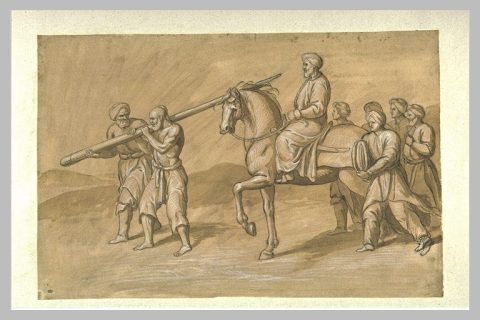
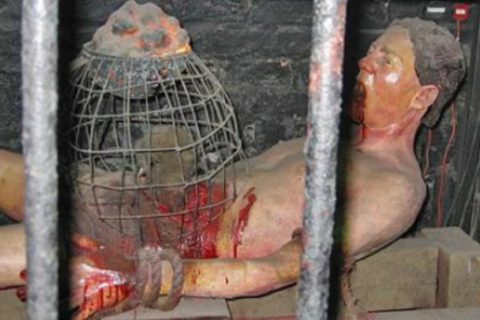
Rope was called the “queen of torments” because it was cheap and easy to use. With strappado, suffered by Niccolò Machiavelli in 1513, the victim was hoisted by the arms tied behind the back and suddenly dropped. With the veglia they were kept awake for hours, while the rack, used on Guy Fawkes in 1605, stretched the body until the joints dislocated.
In torture, the rope is called the queen of torments: that is because it was economical, readily available and could inflict a lot of pain with minimal effort. Indeed, it is from the rope that the name “torture” comes from, because thanks to it you could “twist” (from Latin torcere) the body parts of the condemned.
But let’s see in detail which tortures could be carried out with rope.
Strappado
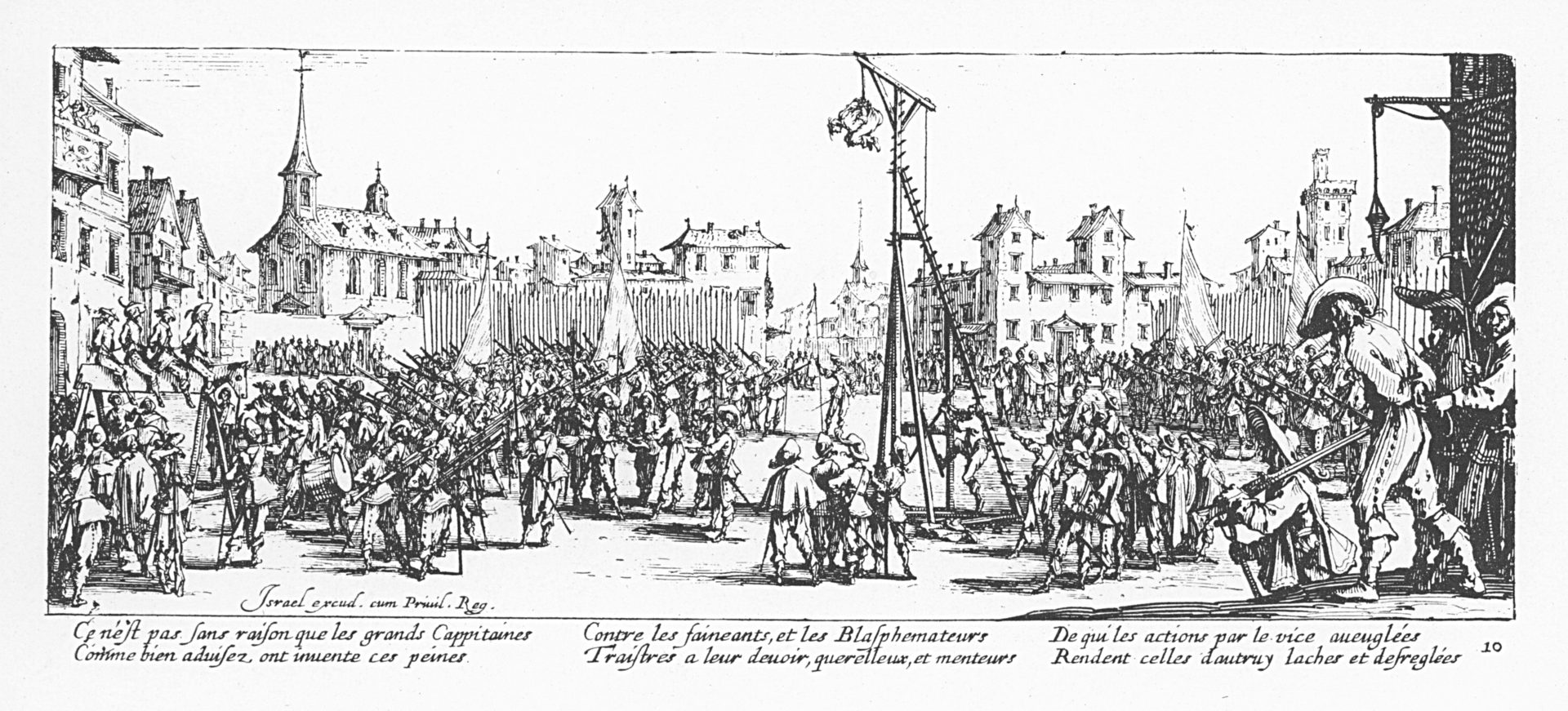
One of the most frequent tortures was certainly the Strappado. How was it done? The main method was the following:
the victim’s hands were tied behind his back, then another rope was passed between the arms and was tied.
The end of the rope was attached to a pulley and the victim was hoisted a few metres off the ground, so that the whole weight of the body hung from the shoulders.
The prisoner was then left in this position, perhaps with some weights attached to the foot in order to cause more pain on the shoulders, or the rope was stretched.
The rope the victim was tied on was loosened briefly, letting the prisoner drop. Before he fell to the ground, however, the rope was stopped abruptly, causing a sharp pain on the shoulders and very often dislocating them.
The prisoner was thus left hanging with his shoulders dislocated for up to an hour, or until the law allowed it. Then his shoulders were fixed and a new session could take place in the following days.
From Father Labat’s evidence, a Dominican who traveled to Italy on behalf of the Holy Office, we understand that some of the people subjected to the strappado felt almost no pain at all.
This is because they were “trained” and knew how to move in order to avoid dislocation or experience the least possible pain.
An even crueller variant was the squassatio, in which weights were tied to the prisoner’s feet: when the rope stopped dead, the jolt was far more violent.
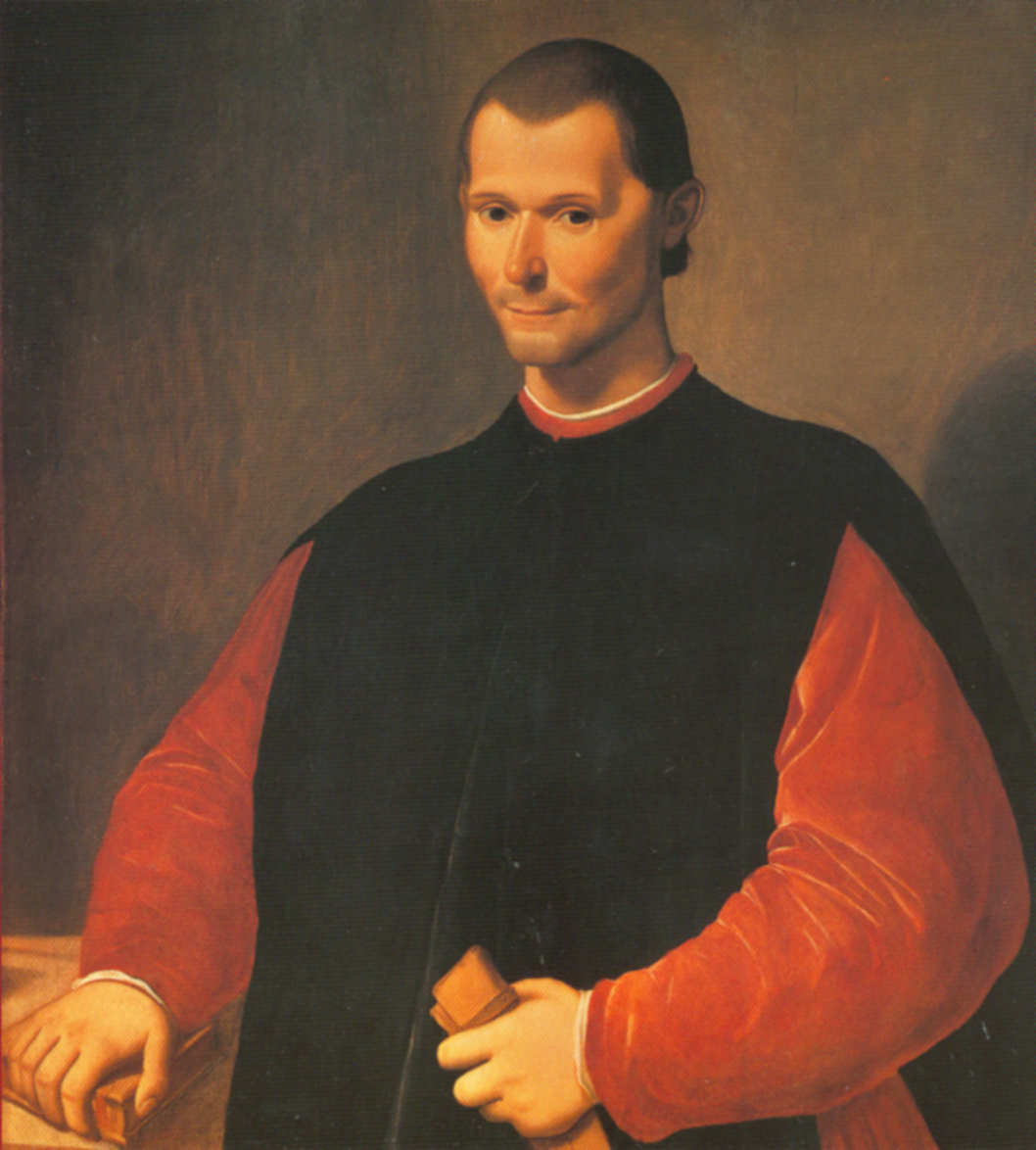
Among the most illustrious victims of the strappado is a name everyone knows: Niccolò Machiavelli. In February 1513, after the Medici returned to Florence, his name turned up on a list found on two conspirators. Machiavelli was arrested, locked in the Stinche prison and given six drops of the rope. He confessed nothing, because he had nothing to confess, and later boasted that he had borne the torture with dignity. From prison he even wrote sonnets to Giuliano de’ Medici, ironically describing his lice-ridden cell. He was released the following March, thanks to the amnesty granted for the election of Pope Leo X, a Medici.
The veglia
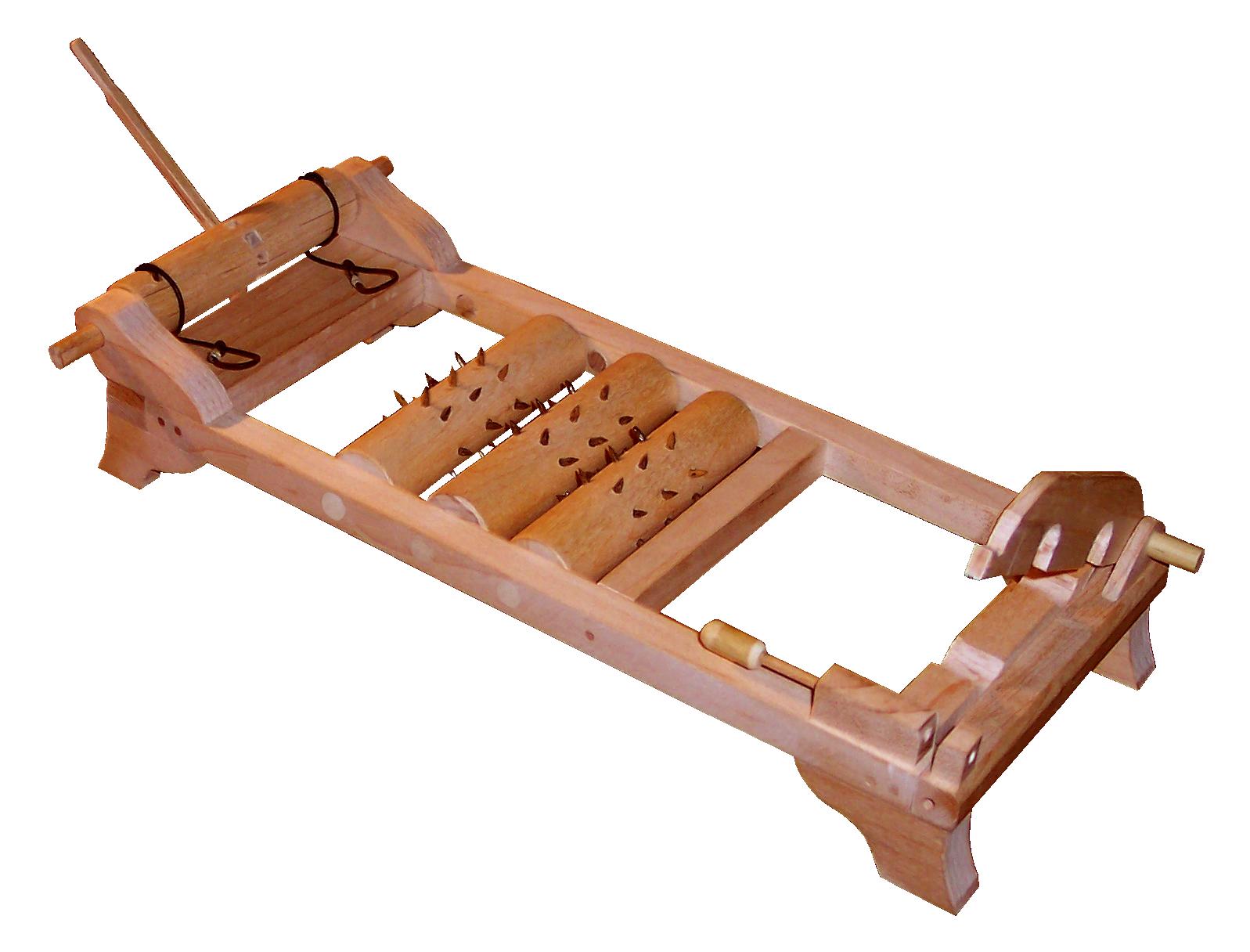
In other cases the prisoner was lying on the floor, on a wooden frame. His hands were tied above his head and feet were immobilized.
Then levers pulled on ropes tied to the hands and feet, raising the body’s extremities. This position was extremely uncomfortable as his back had no foothold.
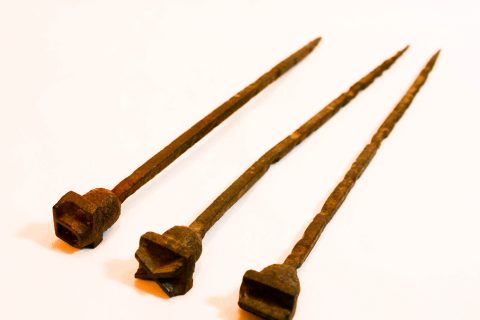
But the torturers came up with another method to hurt the victims. Under the victim’s back they placed metal props or nails, so that the poor man had to hold his back lifted to avoid injury.
This torture was known as “Veglia” (the Italian for “wakefulness”) because for the prisoners it was practically impossible to relax or sleep without being transfixed.
Other variants used spiked rollers under the back of the victim.
The invention of the veglia is usually credited to Ippolito Marsili, a jurist from Bologna who lived between the 15th and 16th centuries. His aim was simple: keep the prisoner awake for hours, sometimes for more than a day and a half, until sleep deprivation broke all resistance. Many considered it more effective than any other torture, precisely because it left no serious wounds.
The Stretching
Another torture carried out with ropes was the forced stretch. The victim was placed on an extendable board with hands and feet tied at either end of the table.
With ropes operated by a winch, the table was elongated and consequently the body of the victim was too. This caused severe pain first, then dislocations of shoulders and legs and then torn tendons.
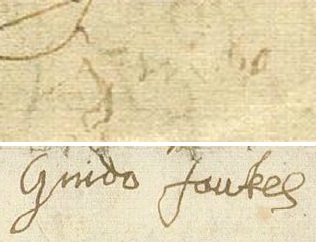
The most famous instrument of this kind is the rack, used all over Europe. The Tower of London had one so feared it had a nickname, “the Duke of Exeter’s daughter”. Guy Fawkes ended up there too, the man caught under the English Parliament in November 1605 with thirty-six barrels of gunpowder. King James I authorised his torture, asking that the “gentler tortures” be used first before moving on to the worst. Fawkes’s two signatures, one before and one after his interrogation, show better than any description what was done to him: the second is barely legible.
🦋 Emadion lives through its readers. If this story kept you up at night, buy me a coffee: it helps me bring you the next nightmare.
☕ Support Emadion on Ko-fi