 Posted by
Water torture is ancient: in France “the question” forced the condemned to drink litres of water, in Germany the “Swedish drink” dates back to the Thirty Years’ War. Modern waterboarding began with the “water cure” used by Americans in the Philippines in 1899-1902, was condemned as a war crime after 1945 and reintroduced by the CIA after 9/11, until Obama banned it in 2009.
The most terrible tortures are often carried out with simple means and elements, available everywhere. This is the case of the water cure and waterboarding, used by different cultures throughout history and that can cause both physical and psychological damage.
From this ancient form of torture it has since developed the waterboarding, considered by the CIA as one of the “enhanced interrogation techniques”, and a kind of “legitimate” torture.
The Water cure
This term can refer to various torture methods. The simplest, but still very harmful, is to force the prisoner to drink huge amounts of water in a short time.
In France it was known as “the question”. When someone was asked “the question”, it meant that he was going to be forced to drink about three and a half litres of water. The “extraordinary question”, however, meant nearly seven and a half liters of water.
Before forcing the victim to drink, he was linked to a tripod, lying, or with his back arched. In this way the abdomen remained tense. Then his mouth was forced open with pincers.
After swallowing large quantities of liquid in this position, already uncomfortable in itself, became very painful.
Sometimes the tense and full abdomen was also beaten, causing severe pain.
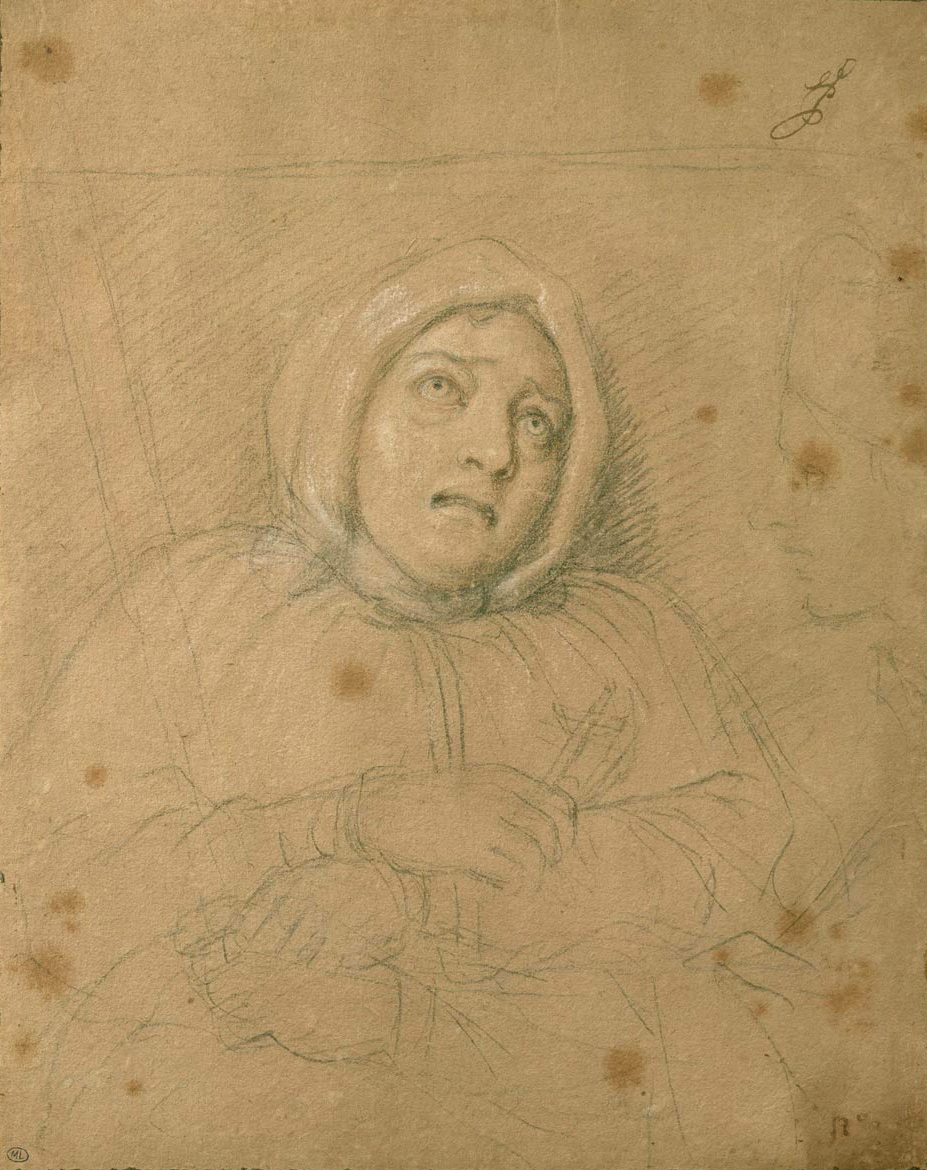
One of the most famous victims of “the question” was Marie-Madeleine d’Aubray, Marquise de Brinvilliers, the noblewoman who had poisoned her father and two brothers to get her hands on their inheritance. In July 1676, in Paris, before her execution she was subjected to the water torture to make her name her accomplices. According to the chronicles, looking at the jugs prepared for her, she remarked that she could never drink them all, being so small. Then she was beheaded and her body burned.
In Germany a similar torture was known as the “Swedish drink”.
The “Swedish drink”, or Schwedentrunk, takes its name from the Thirty Years’ War (1618-1648), when soldiers used it on peasants to make them reveal where they had hidden money and food. Instead of water they often used sewage, dirty water or urine, and victims frequently died.
In Spain, during the Inquisition, there was a form of torture with water very similar to today’s waterboarding.
The victim was tied and forced to ingest a large amount of water. Sometimes, however, before pouring the water, the torturers would put a cloth in the convict’s mouth, creating a feeling of drowning.
Other versions in different parts of the world include the reclined position and a piece of cloth over the convict’s mouth, in order to cause suffocation.
Water was also used to determine whether or not a person was a witch, through the ordeal of water.
Waterboarding
The term waterboarding was used for the first time in the Seventies.
The victim is tied to a board, which is tilted backwards, and a cloth is placed on his mouth. Then water is poured onto the cloth, preventing the prisoner from breathing.
In this way the prisoner can’t breathe, but only suck the water the cloth is impregnated with.
After about 30 or 40 seconds, the victim is allowed to breathe, taking three or four gulps of air before the torture continues.
Usually this method of torture lasts for about twenty minutes, and if prolonged can cause death by asphyxiation.
This torture leaves no visible marks, but causes serious psychological damage or, if the absence of oxygen is prolonged, even brain damage.
This torture method has been used in many parts of the world, such as France, Spain, USA, Japan, Chile and the Middle East.
From the water cure to the CIA
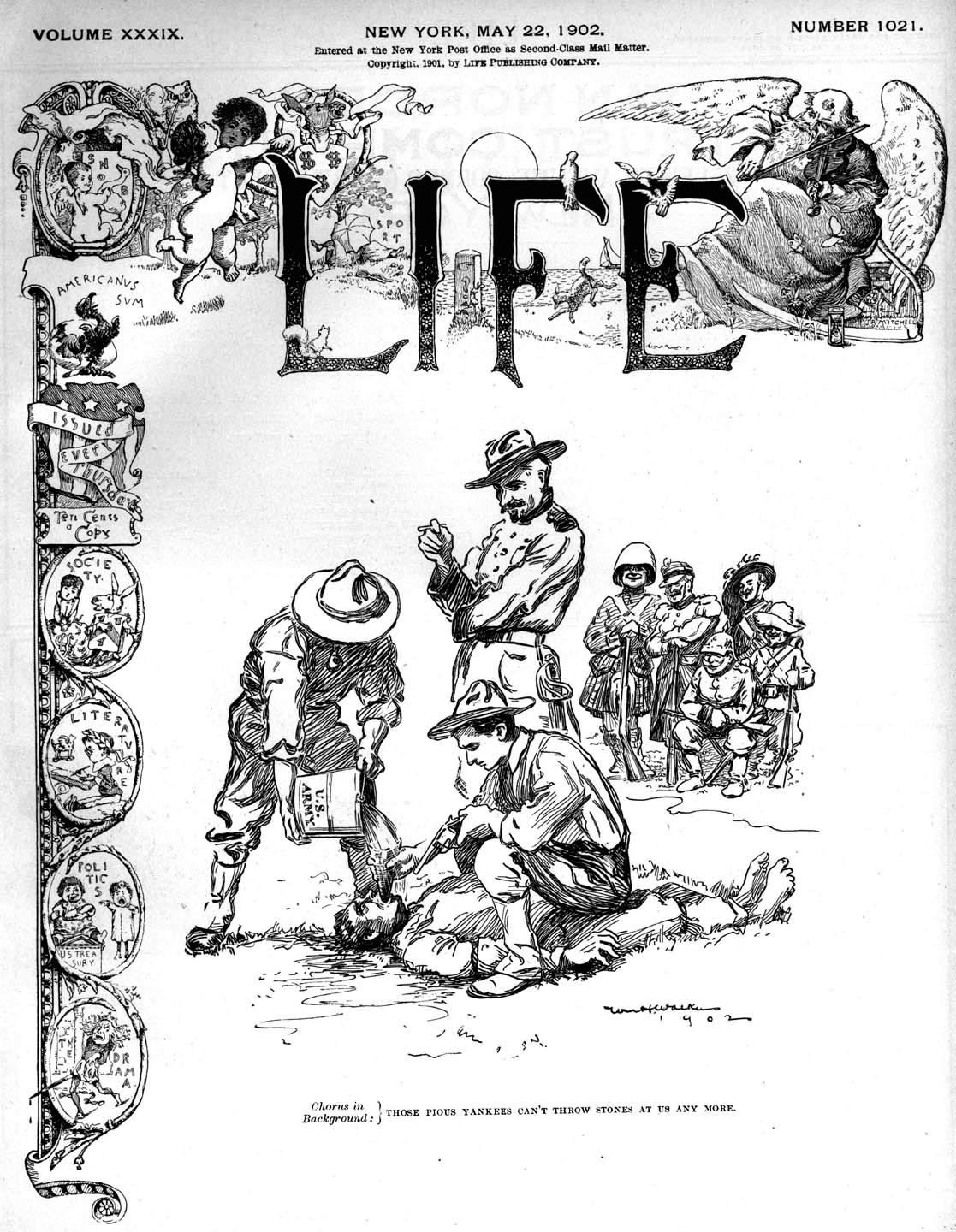
Modern waterboarding has a precise history. During the Philippine-American War (1899-1902), American soldiers used the so-called “water cure” on Filipino prisoners to extract information. The news caused a scandal at home: in 1902 the Senate opened an inquiry and some officers were court-martialled.
After the Second World War, the United States itself prosecuted waterboarding as a war crime. In 1947 a Japanese officer, Yukio Asano, was sentenced to fifteen years of hard labour, partly for using it on American prisoners.
Then, after 11 September 2001, the CIA brought it back as one of its “enhanced interrogation techniques”. According to official documents, Khalid Sheikh Mohammed, considered the mastermind of the attacks, was waterboarded 183 times in a single month, and Abu Zubaydah 83 times. In 2009 President Barack Obama banned it by executive order, and in 2014 a Senate Intelligence Committee report concluded that those techniques had been brutal and ineffective.
In 2008 the journalist Christopher Hitchens, who had doubted it was really torture, underwent waterboarding for an article in Vanity Fair. He lasted only seconds before asking them to stop. The title of his piece left little doubt: “Believe Me, It’s Torture”.
🦋 Emadion lives through its readers. If this story kept you up at night, buy me a coffee: it helps me bring you the next nightmare.
☕ Support Emadion on Ko-fi