 Posted by
On the night of 11 June 1962 Frank Morris and the brothers John and Clarence Anglin escaped from Alcatraz through the ventilation ducts, leaving papier-mâché dummy heads in their beds, and set off on a raft made of raincoats. They have never been found. The FBI believes they drowned, but letters, photos and studies of the currents keep the mystery alive.
Alcatraz is perhaps the most famous prison in the world. Situated on an island 2 km from the coast of San Francisco, today it’s a tourist destination. It used to be, however, a maximum security prison which hosted notorious criminals such as Al Capone. Given its location, it was considered impossible to escape from it without being detected by guards or drowning in the icy waters of the bay. There are, however, two cases in which prisoners managed to escape from Alcatraz and left no trace.
The most famous and spectacular escape from Alcatraz, was undoubtedly the one that inspired “Escape from Alcatraz”, a 1979 film adaptation of the 1963 book of the same name.
Escape From Alcatraz
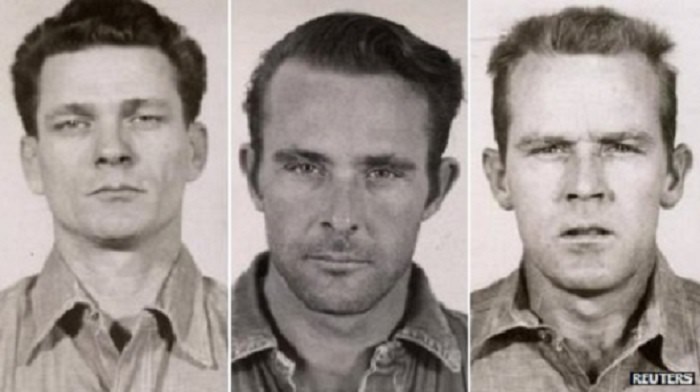
The night of June 11th, 1962, three prisoners managed to escape from the island of Alcatraz, also known as “The Rock”. The three were Frank Morris and the brothers John and Clarence Anglin. There should have been a fourth man, Allen West, but at the last moment he could not widen the hole in his cell, because the cement he had used to hide it had hardened, and he was left behind.
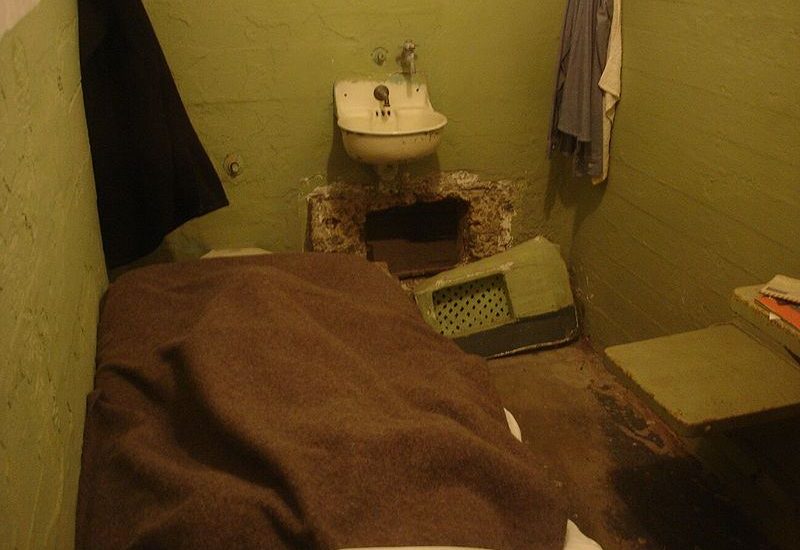
The three men dug for months in one of the walls of their cell, approximately 16 cm thick, with spoons and forks.
They began to dig around the air vent which was in each cell, also preparing an exact papier-mâché copy of the safety net and missing wall. In this way they could dig at night and in the daytime cover the holes with a fake wall.
Little by little they also stole at least 50 raincoats which they turned into a raft and three life jackets by sealing them with mastic, following a design Morris had found in the March 1962 issue of Popular Mechanics.
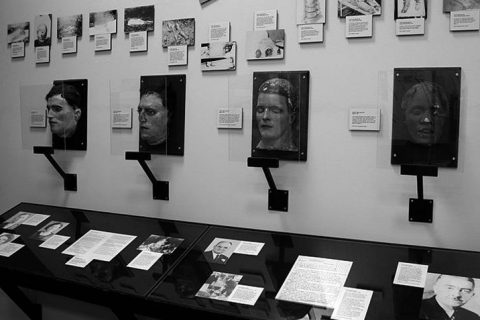
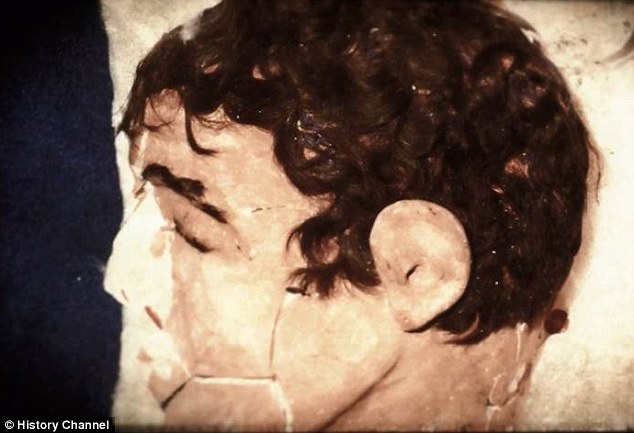
Then, still using papier-mâché, they made copies of their heads, by painting and pasting hair stolen from the barber of the prison. The heads were so well done that had eyelashes and eyebrows.
Once all the details of the plan were in place, the three positioned the dummies in their bunks and entered the hole dug in the wall, finding themselves in a corridor in which all pipes of the prison pass through.
From there they managed to reach the roof and then the beach. They then inflated their raft and their life jackets. According to West, the plan was to paddle to Angel Island, about 3 kilometres to the north, and then to the mainland, where they would steal clothes and a car. Since then no one has heard of them.
Hypothesis
On the morning of June 12, 1962, at the morning count, it’s discovered that three prisoners escaped. The alarm rings immediately after, but the fugitives will never be found.
On 14 June the Coast Guard finds a paddle near the southern shore of Angel Island, and another boat recovers a wallet wrapped in plastic with the names, addresses and photos of the Anglins’ friends and relatives. This makes the authorities think the three drowned: otherwise they would never, ever have left those things behind.
However, their bodies will never be found, and indeed many clues would suggest that the three made it, in particular there are more clues about the Anglin brothers.
For example in the days after the run, reports were made regarding the three men in the San Francisco vicinity.
The families of the escapees began to receive messages and unsigned postcards, and the mother of the two brothers began to receive flowers sent anonymously every Mother’s Day.
Then at the funeral of the woman two strange, very tall women were present, which disappeared just after the church service. This brought the Anglin’s sister to believe that those were her brothers.
What’s more, a family friend, Fred Brizzi, who grew up with the two brothers, said he recognised them in 1975 in Rio de Janeiro and took a picture of them. Forensic experts working for the family said the two men in the photo were “more than likely” the Anglins, while according to the US Marshals Service the facial measurements indicate they are not. The sunglasses and the poor quality of the photo make a definite answer impossible.
In 2014 a study of the currents by Delft University concluded that, had the three left at 11:30 pm, they could have reached Horseshoe Bay, just north of the Golden Gate, and their belongings would have drifted precisely towards Angel Island, where they were found. And in 2018 the FBI revealed the existence of a letter received by the San Francisco police in 2013, signed by a man claiming to be John Anglin, who said he had survived and wanted to negotiate his surrender in exchange for treatment for his cancer. The letter’s authenticity has never been confirmed.
The FBI closed its investigation on 31 December 1979, concluding that the three had most likely drowned in the icy waters of the bay. The US Marshals Service file, however, has remained open, and the arrest warrants will only expire between 2026 and 2031, when the three fugitives would have turned 100.
Do you think the three have made it to escape from the prison of Alcatraz?
🦋 Emadion lives through its readers. If this story kept you up at night, buy me a coffee: it helps me bring you the next nightmare.
☕ Support Emadion on Ko-fi