Posted by
In short
- What: an alleged Dutch merchant ship found with its whole crew dead, which then exploded and sank.
- When: according to the best-known versions in June 1947 or early 1948; the first version of the story, however, dates back to 1940.
- Where: in the Strait of Malacca, or near the Solomon Islands or the Marshall Islands, depending on the account.
- The problem: no shipping register has ever found any trace of a ship called Ourang Medan.
The Ourang Medan was supposedly a Dutch ship that met a strange fate. What happened on board, as with the Mary Celeste, is still shrouded in mystery. Even the name is curious: orang in Malay means “man”, and Medan is the largest city on the island of Sumatra, so roughly “the man of Medan”.
The story
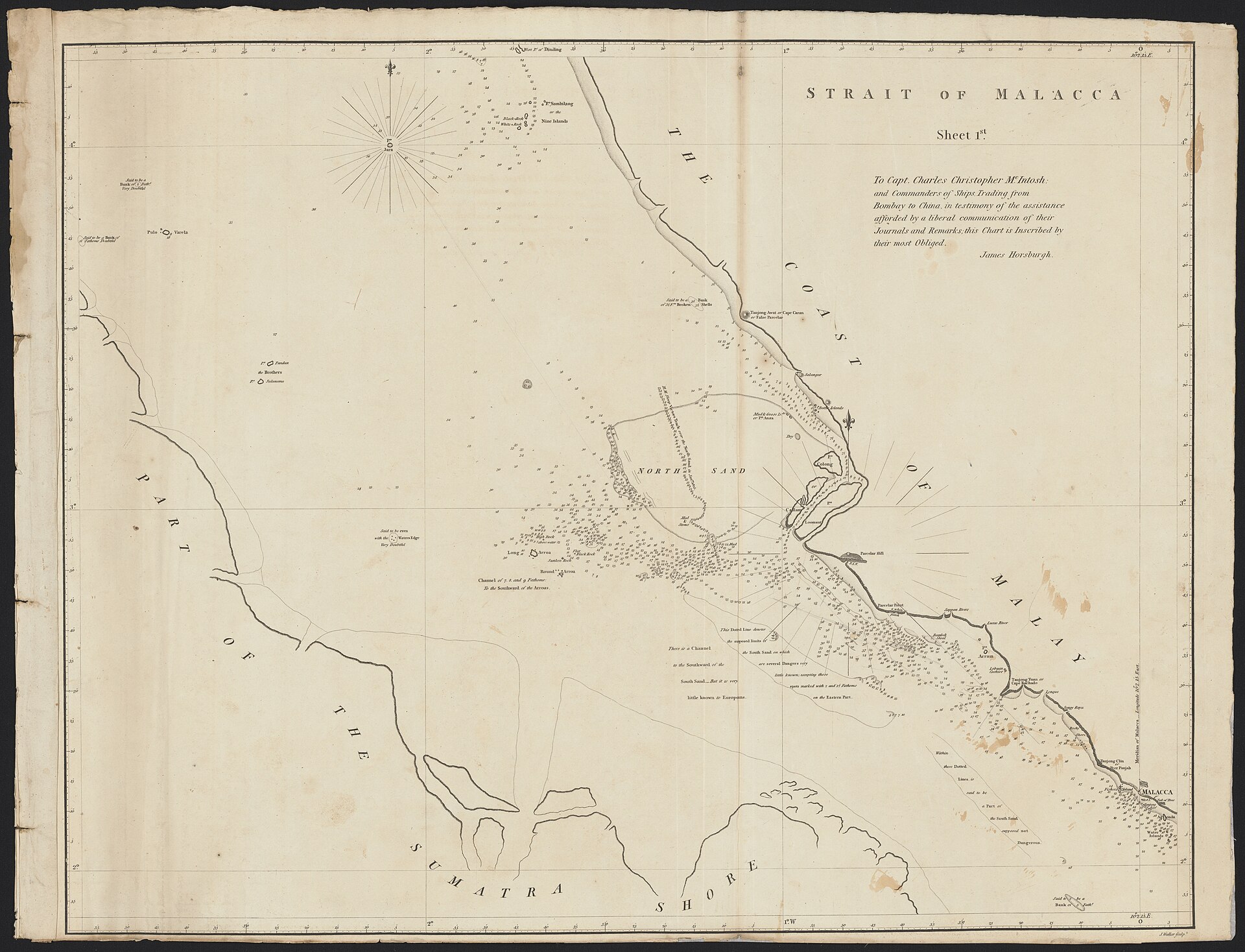
According to the most famous version, in June 1947 two American ships sailing the Strait of Malacca, the City of Baltimore and the Silver Star, picked up a series of Morse code messages from the nearby Dutch merchant ship Ourang Medan, which read more or less like this:
“S.O.S. from Ourang Medan… All officers including the captain dead in chartroom and on the bridge. Probably whole of crew dead…”
A few incoherent dots and dashes followed, then the last two words: “I die”. After that, nothing.
When the crew of the Silver Star found the Ourang Medan, they boarded and inspected her, finding the ship apparently intact, except that the corpses of the entire crew, including the ship’s dog, lay in strange positions.
The bodies were sprawled on their backs, faces turned up to the sun, mouths gaping and eyes staring, as if they had died in terror at something horrific. Many victims had their arms stretched upwards, as if trying to protect themselves from something. None, however, had any visible injuries.
As they prepared to tow the ship to the nearest port, a fire broke out in the Ourang Medan’s number 4 hold. The rescuers had to abandon ship in a hurry and, shortly after, watched it explode and sink, preventing any further investigation.
The sole survivor
Some versions add another detail. A German sailor from the crew, whose name is unknown, managed to swim to safety and was found by an Italian missionary and some natives on Taongi Atoll, in the Marshall Islands, thousands of kilometres further east.
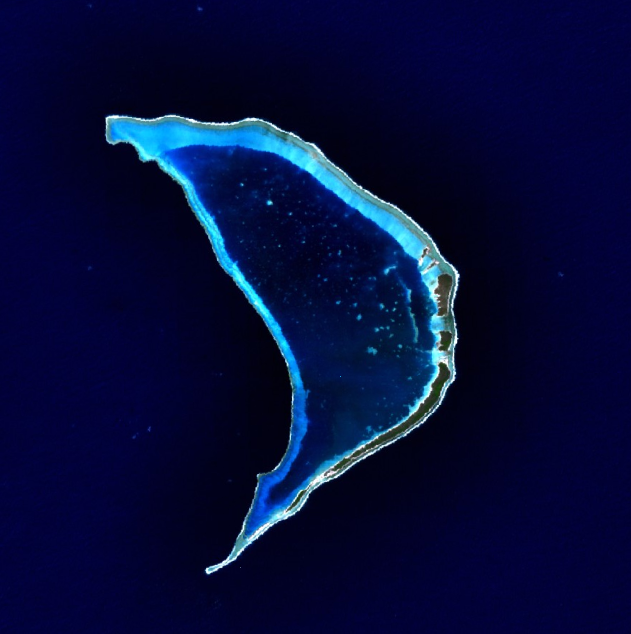
Before dying, the sailor reportedly told the missionary that the ship was carrying a badly stowed cargo of sulphuric acid and that almost the whole crew had died from the poisonous fumes escaping from broken containers. According to his account, the Ourang Medan had sailed from a small Chinese port bound for Costa Rica, deliberately avoiding the authorities.
How the legend was born
News of this ship reaches us through 3 articles published in early 1948 by the Dutch-Indonesian newspaper De Locomotief, which introduced the famous messages and the survivor’s account. The source given was Silvio Scherli, a radio operator from Trieste who also wrote as a journalist.
But the story is even older: its first version appeared as early as October 1940 in Il Piccolo of Trieste, in a series called “Dramas of the sea” signed by Scherli himself, and a month later it was picked up by the Daily Mirror and other British papers. In that version the ship was south of the Solomon Islands, the messages were different and the names of the rescue ships did not appear.
De Locomotief itself closed the series with a warning: they had no other information about this “mystery of the sea”, it might seem obvious the whole thing was fantasy, but the author assured them the story was authentic. In 1952 the tale even ended up in a US Coast Guard bulletin.
Given the scarce evidence, the story is generally thought to be wholly or partly a legend. Several researchers have searched for the ship in Lloyd’s Register and in the shipping registers of various countries, including the Netherlands, without ever finding it. And every version changes place, date and details.
Hypotheses
There are several theories about the crew’s death and the explosion:
- Some, like writer Roy Bainton, believe the Ourang Medan was involved in smuggling dangerous substances, such as potassium cyanide and nitroglycerin. Sea water entering the hold would have reacted with the cargo, releasing poisonous gases and later causing the explosion.
- Another hypothesis involves tabun, a nerve agent the Japanese army kept in China during the war: the unregistered ship would have carried it in secret so as to leave no paper trail.
- Writer Vincent Gaddis suggested instead a smouldering fire or a boiler malfunction: carbon monoxide would have killed everyone on board, while the fire slowly spread until the explosion.
- Of course some suggest a paranormal explanation, specifically that the ship was attacked by a UFO or some unknown entity.
That, perhaps, would explain the strange poses in which the bodies were found. Or, more simply, the ship never existed, and the Ourang Medan is just one of the most successful ghost stories of the sea.
🦋 Emadion lives through its readers. If this story kept you up at night, buy me a coffee: it helps me bring you the next nightmare.
☕ Support Emadion on Ko-fi