 Posted by
- What it is: a legendary medicine made from a corpse left to steep in honey for a century.
- Chinese name: mìrén (蜜人), “honey person”.
- Source: Li Shizhen’s Bencao Gangmu (16th century), quoting a text from around 1366.
- Where it supposedly happened: in Arabia, according to the account.
- Is it true? Li Shizhen himself wrote that he didn’t know whether the story was true.
What would you say if I told you there is a miraculous confection that cures all ills, and doesn’t even taste bad, being made with honey?
Want 10 jars right away? Wait until you find out how it’s made, you might change your mind!
Mellification
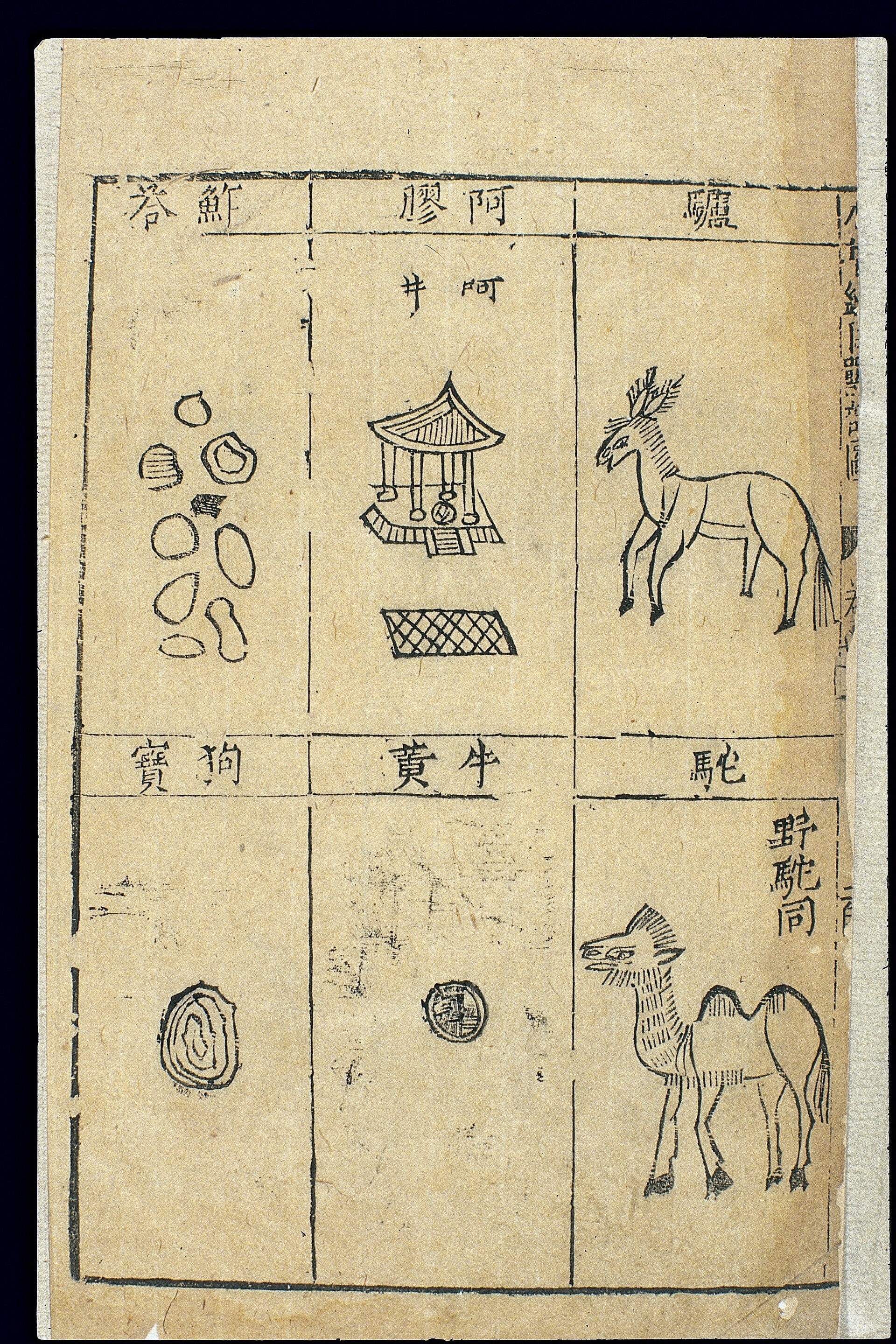
We learn about the mellified man from some Chinese texts, above all the Bencao Gangmu, the “Compendium of Materia Medica”. This book was written by the Chinese pharmacologist Li Shizhen, who lived in the 16th century, and published in 1596, a few years after his death: it is a huge encyclopaedia of almost 1,900 remedies, still considered a cornerstone of traditional Chinese medicine.
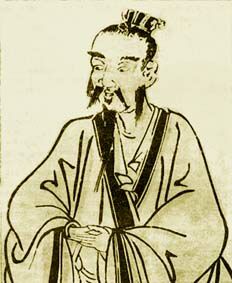
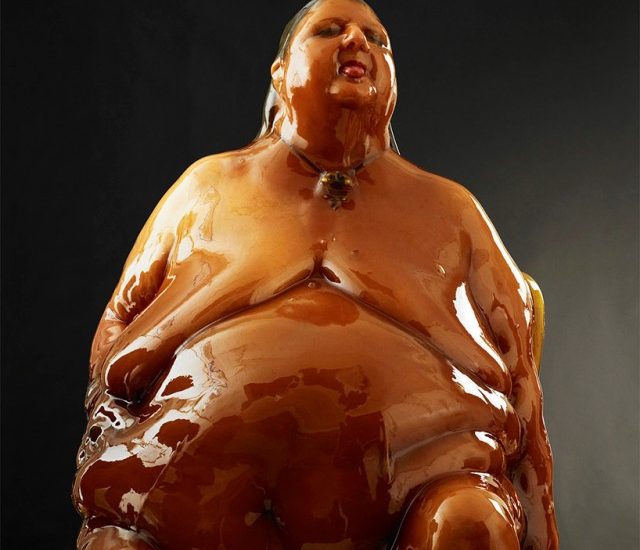
Mellification would be a process (today usually considered fictional) by which a medicinal confection is obtained after leaving a corpse covered in honey for many years.
The most gruesome part, though, is that the process has to start while the man is still alive.
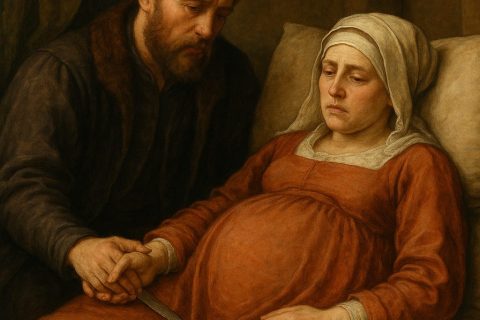
In the text, in the section on man as medicine, Shizhen reports the account of scholar Tao Zongyi, written around 1366, according to which some elderly men in Arabia, 70 or 80 years old and close to death, would offer themselves for this strange process, giving their bodies to save others.
The person stops eating and drinking anything and starts eating only a little honey, even bathing in it.
After about a month the victim’s faeces are made of nothing but honey and, according to the legend, even the sweat would be honey.
The miraculous confection
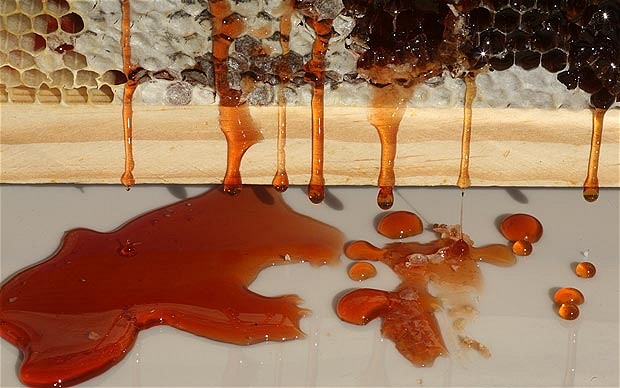
Death soon follows, and the corpse is placed to steep in a stone coffin full of honey, with an inscription giving the year and month of burial, and left to rest for about 100 years.
Once the time has passed, the seals are removed and the body has turned into a sort of human confection capable, according to the legend, of healing wounds and fractures of the arms and legs. A small amount taken by mouth would be enough to heal.
The body is now a mìrén, a honey person. The very rare substance is then sold at astronomical prices in the markets.
Legend or reality?
Li Shizhen himself, right after the account, commented that he did not know whether the story was true, and reported it only so that learned men could judge it. Historian of science Joseph Needham suggested that Li mixed two different traditions: the Western idea of a drug made from preserved human flesh and the Burmese custom of preserving the bodies of abbots and senior monks in honey, combined with the Buddhist theme of self-sacrifice for others.
The idea of a medicine made from the dead was not only Chinese, after all. In Europe, for centuries, apothecaries sold mumia, a powder made from Egyptian mummies, or supposed ones, believed to cure bruises, bleeding and a thousand other ills. The Chinese word for mummy, mùnǎiyī, comes from the Arabic mūmiyāʾ, the same word that gave us “mummy”.
Although the ritual is believed to be a legend, honey has been used in several cultures in funeral rites. The Greek historian Herodotus wrote that the Assyrians embalmed their dead with honey, and Alexander the Great’s body was reportedly preserved in a honey-filled sarcophagus. In the past honey was also used as a topical medicine for many ailments.
Indeed, in recent times it has been found that honey really does have antiseptic and antibacterial properties: it contains very little water, is highly acidic and produces small amounts of hydrogen peroxide, conditions in which bacteria cannot survive. Today there are even honey-based dressings for wounds and burns.
🦋 Emadion lives through its readers. If this story kept you up at night, buy me a coffee: it helps me bring you the next nightmare.
☕ Support Emadion on Ko-fi