 Posted by
Gang Bing was a general of the Yongle Emperor of the Ming dynasty. According to tradition, to avoid being accused of touching the concubines while the ruler was away, he castrated himself and hid his genitals under the saddle of the emperor’s horse. He became chief eunuch, was worshipped as the patron saint of eunuchs, and the site of his temple is now Babaoshan Revolutionary Cemetery in Beijing.
The story of Gang Bing is regarded in China as an act of supreme loyalty. Although we now think these events are largely the stuff of legend, the story of Gang Bing remains fascinating.
The story of Gang Bing
Gang Bing (剛炳), also known as Gang Tie, “Gang of iron”, was the favorite general of the Chinese Yongle Emperor, third ruler of the Ming dynasty, who reigned from 1402 to 1424. Besides being his commander he was also a friend and trusted man of the emperor, who had no doubts about whom to leave in charge of the palace in Beijing while he was away on a hunting trip.
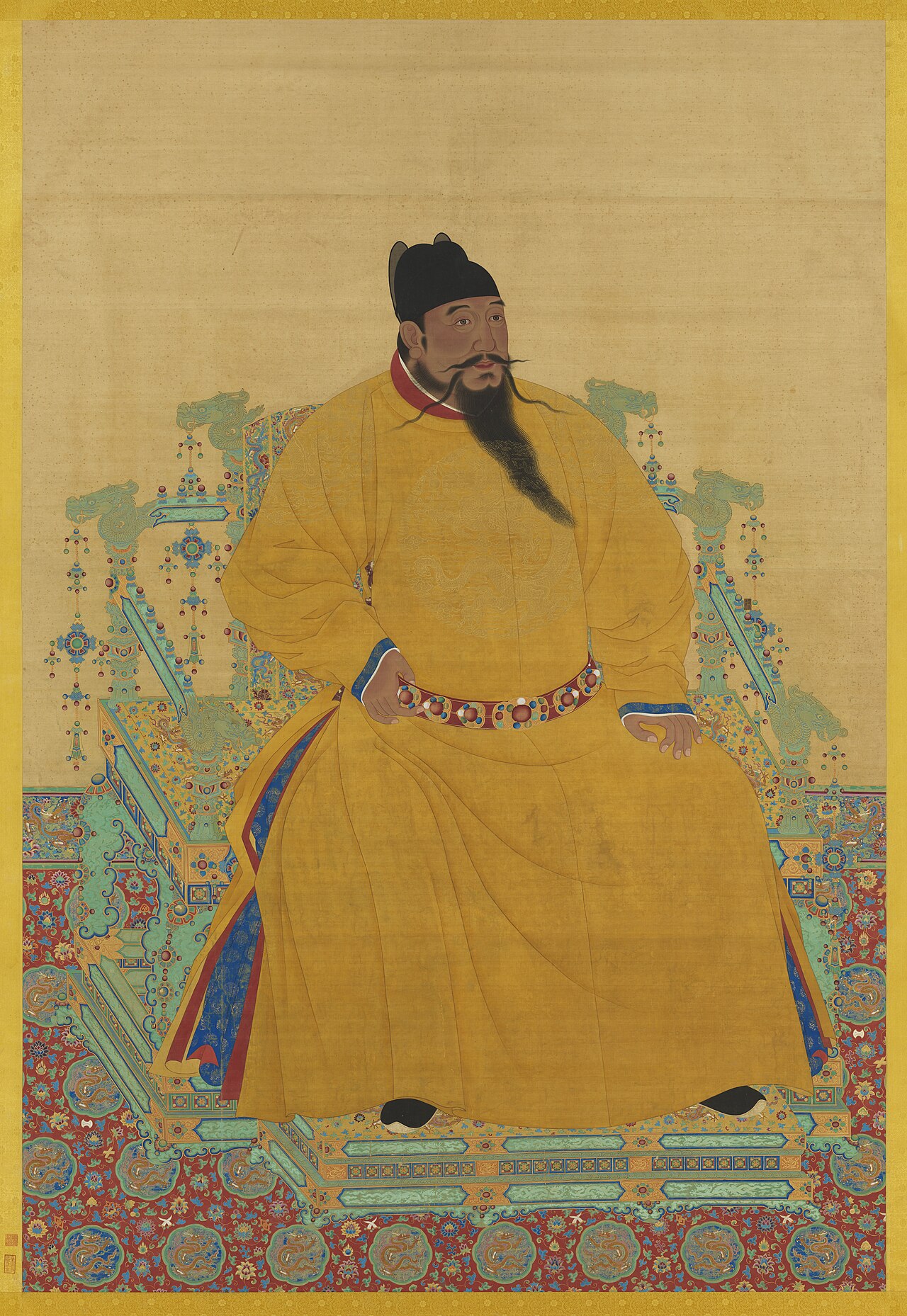
Gang Bing was told that he would be in charge of the palace and guardian of the emperor’s harem, which at the time counted 73 concubines. Needless to say, any contact with one of the concubines by anyone other than the emperor himself was a very serious offense, leading to certain death and dishonor for the family.
The commander knew that the atmosphere at the palace was tense and plots were being hatched. In such a situation he feared that his rivals would take the chance to lie to the emperor, on his return, saying that Gang Bing had entered the harem to have relations with the concubines. Despite the friendship and trust that bound him to the emperor, Gang Bing knew that sooner or later doubt would take hold of his ruler, leading him to believe the plotters. So he made a drastic decision.
The self-mutilation of Gang Bing
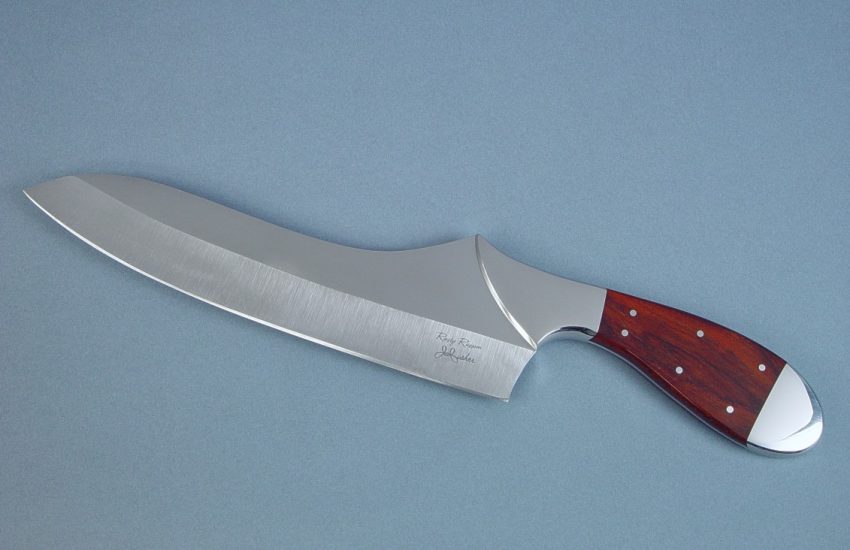
Gang Bing realized that the only solution was to castrate himself. That way, no one could ever accuse him. The night before the emperor left, in secret, he took a knife and cut off his own penis and testicles. He then put his genitals in a bag, which he hid under the saddle of the emperor’s personal horse, to which he had free access, and went back to his rooms without telling anyone.
When the emperor returned, what Gang Bing had foreseen happened: one of the ministers reported that the trusted commander had had relations with the women of the harem. The ruler, boiling with rage, summoned Gang Bing to defend himself. Gang Bing asked for the emperor’s saddle to be brought and for the emperor himself to look inside the bag hidden under it. The ruler opened it and found the general’s genitals, by then shriveled and blackened, immediately understanding the great act of loyalty his friend had made.
The eunuchs’ temple
As a reward Gang Bing was promoted to chief eunuch, a position with great political power at court. The emperor also showered him with gifts and when he died, around 1411, had him worshipped as the patron saint of eunuchs. He granted a plot of land on the outskirts of Beijing as a cemetery for eunuchs and built a hall in his memory.
In 1530 the temple was enlarged and named “The Ancestral Hall of the Exalted Brave and Loyal”, although it was popularly known as “the Eunuchs’ Temple”. Over time it became a Taoist temple and a sort of retirement home for elderly eunuchs, who farmed part of its land themselves. The last abbot was Xin Xiuming, who had castrated himself at 19 to serve the last emperor, Puyi.
The temple remained in use until the early 20th century. When the communist government decided to turn it into a cemetery, the abbot managed to have the temple paid for and to secure a monthly pension for each eunuch until his death. In 1950 the site was renamed “Beijing Municipal Cemetery for Revolutionaries” and in 1970 it took its current name, Babaoshan Revolutionary Cemetery, where revolutionary heroes and top party and state leaders are buried today.
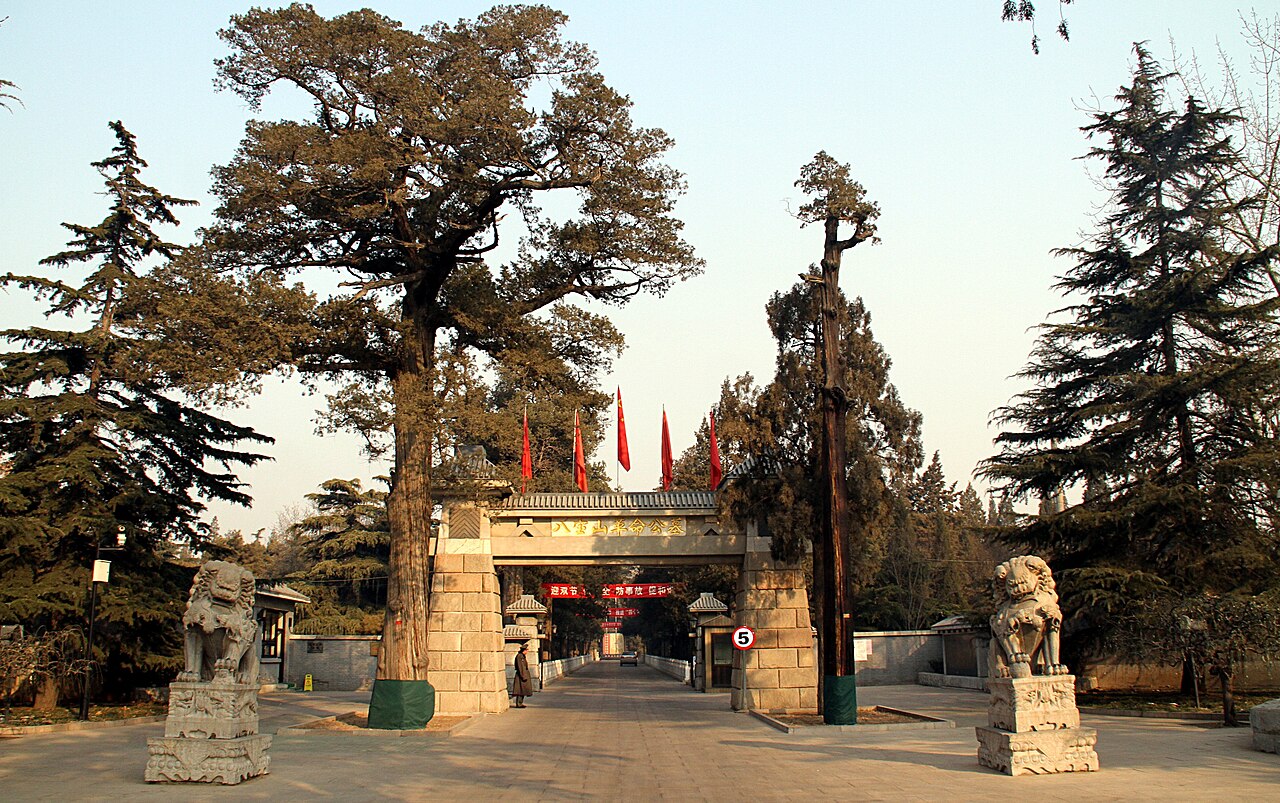
It is curious to think that the most important cemetery of communist China grew around the temple of a man who mutilated himself to prove his loyalty to an emperor.
🦋 Emadion lives through its readers. If this story kept you up at night, buy me a coffee: it helps me bring you the next nightmare.
☕ Support Emadion on Ko-fi