 Posted by
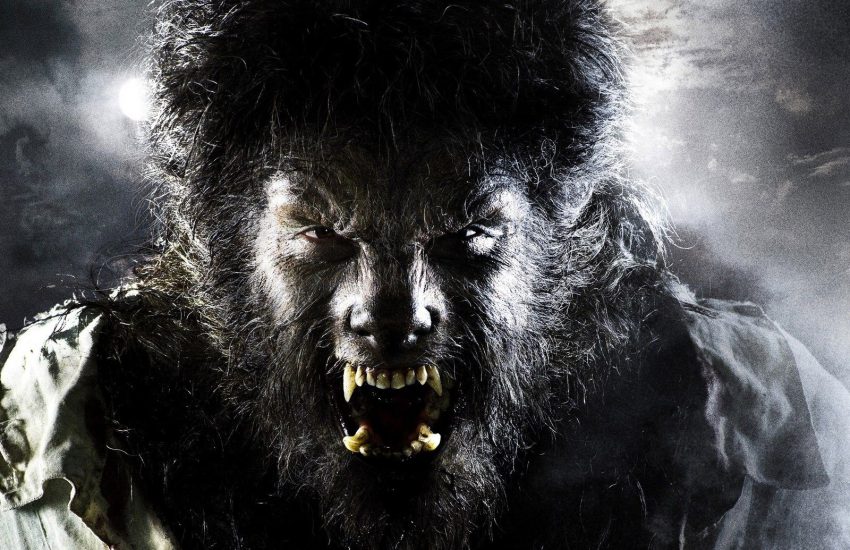
Werewolves are among the most famous creatures in the legends and folklore of almost every civilisation, since the most ancient times.
Some legends describe the werewolf as a person struck by a curse, while according to others it is something you are born with. A distinction must also be made, since in some traditions the werewolf and the lycanthrope are not always the same thing.
While the “lupo mannaro” of Italian folklore can simply be a man-eating wolf, perhaps described as monstrous, the lycanthrope (from the Greek lykos, wolf, and anthropos, man) is a person who turns into a wolf at will. In legends where the werewolf is also a transformed human, the transformation is instead involuntary.
The lycanthrope is the man who turns into a wolf, a figure found in European folklore since antiquity. Between the 16th and 17th centuries, especially in France and Germany, dozens of people were tried and executed as werewolves. Today “clinical lycanthropy” is a rare psychiatric syndrome in which a person believes they are turning into an animal.
A very ancient myth
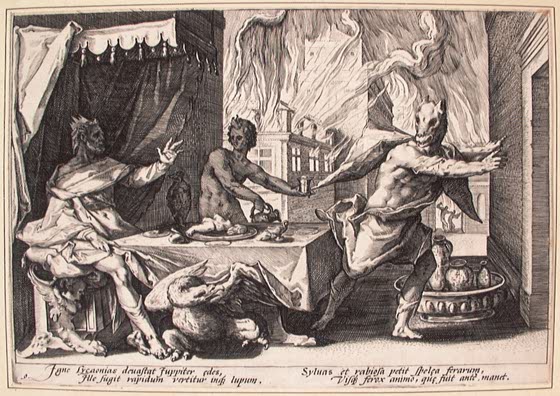
One of history’s first lycanthropes is Lycaon, king of Arcadia. According to the Greek geographer Pausanias he was turned into a wolf for sacrificing a child on the altar of Zeus Lycaeus. In the version told by Ovid in the Metamorphoses, Zeus visits Lycaon disguised as a commoner, and the king, to test whether he is really a god, kills a hostage and serves him the entrails. Disgusted, the god turns him into a wolf. And it is from Lycaon that the word “lycanthrope” comes.
The legend
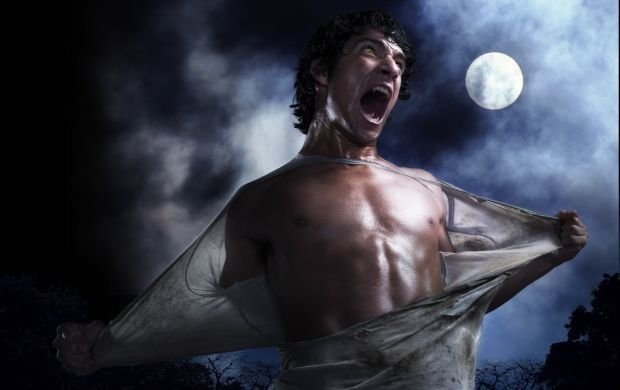
The werewolf of legend turns into a wolf at will or, involuntarily, on full-moon nights. If it bites someone without killing them, that person will become a werewolf too. If it is wounded in wolf form, the wound stays in the same place when it turns back into a man, and that is how, in many tales, it is unmasked.
To defeat it, according to the most widespread tradition, you need silver: a silver knife or a silver bullet.
The werewolf trials
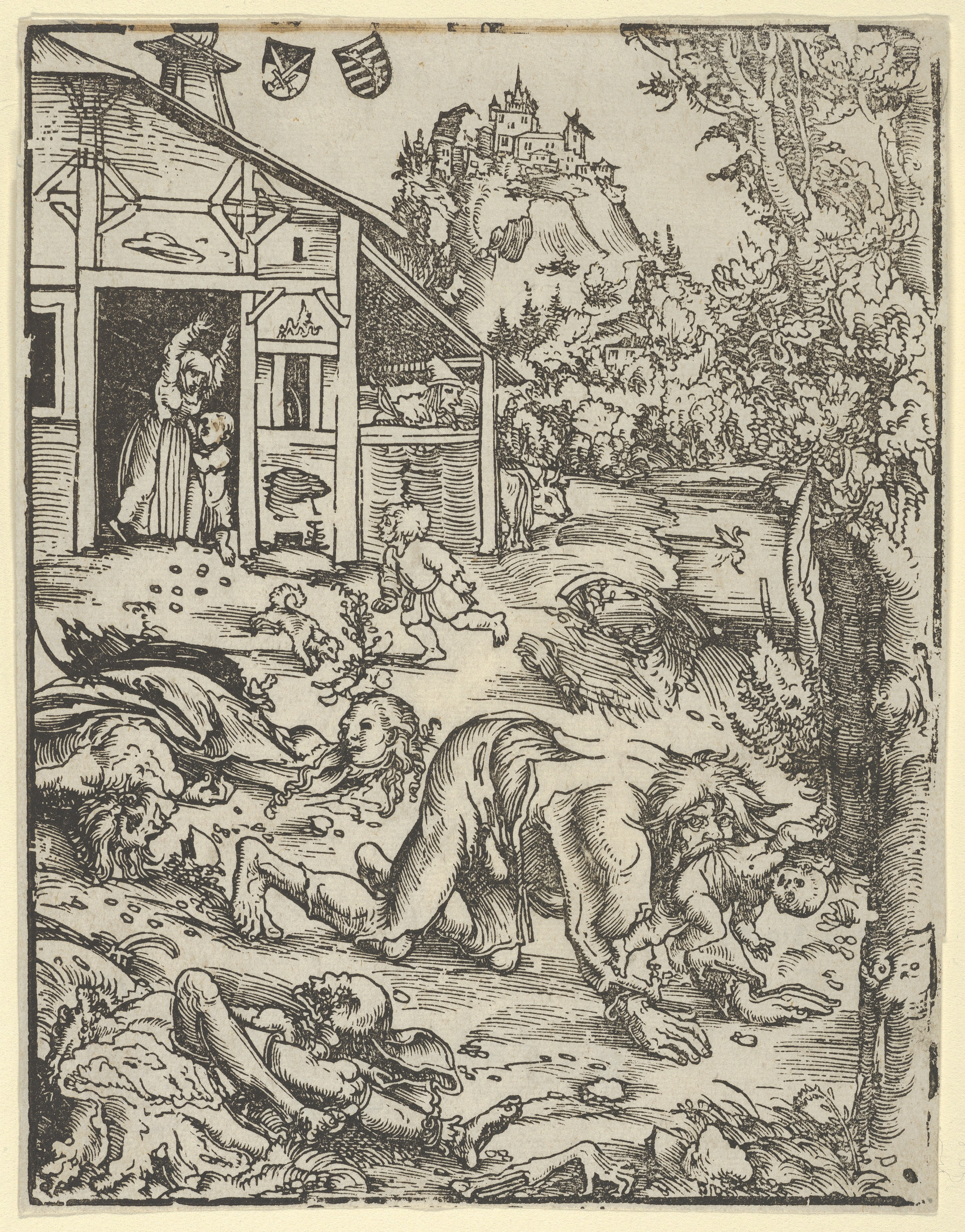
Between the 16th and 17th centuries, at the height of the witch hunts, Europe held real werewolf trials. The accused, often after terrible torture, ended up “confessing” that they turned into wolves thanks to pacts with the devil, ointments or magic belts.
France, 1521. Michel Verdun was accused of being a werewolf after a man attacked by a wolf managed to wound it. Shortly afterwards the victim found Verdun with a wound in the same place. On trial, Verdun confessed and named another man with the same “powers”, Pierre Bourgot. Both were sentenced to death, accused of killing children in wolf form.
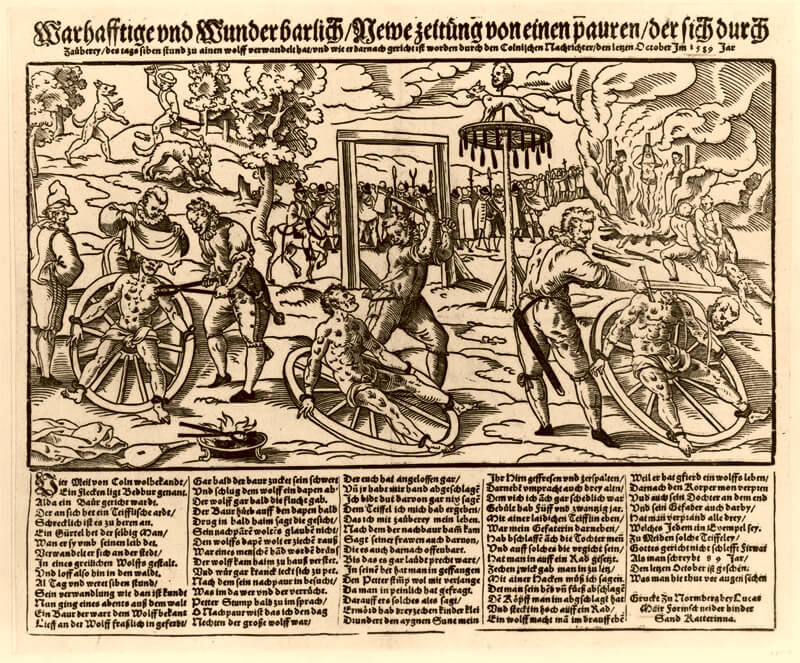
Germany, 1589. The most famous case is that of Peter Stumpp, a farmer from Bedburg, near Cologne, remembered as the “Werewolf of Bedburg”. He was accused of witchcraft, cannibalism and the murder of many people, including women and children. After torture he confessed to owning a belt given to him by the devil that turned him into a wolf. His execution, on 31 October 1589, is one of the most brutal on record: he was bound to a wheel, his flesh was torn in ten places with red-hot pincers, his arms and legs were broken with the back of an axe, then he was beheaded and his body burned on a pyre. His daughter and his mistress were executed with him. Much of what we know comes from a 16-page pamphlet published in London in 1590, the translation of a lost German print.
The “ferocious beast” of Milan
Italy has its own story too. In the summer of 1792, in the countryside around Milan, a series of attacks spread terror. The victims were mostly children and youngsters tending animals. The first was a ten-year-old boy from Cusago, Giuseppe Antonio Gaudenzio, on 5 July; attacks followed in Corbetta, Limbiate, Barlassina and the Groane woods. People spoke of a “bestia feroce”, a ferocious beast of horrible appearance, which some described as a werewolf.
The authorities entrusted the hunt to none other than Cesare Beccaria, author of On Crimes and Punishments, who had traps set all around the city. On 13 September a wolf fell into a trap, but many witnesses denied it was the “beast”. The whole affair is told in a contemporary document held at the Biblioteca Braidense, the Giornale circostanziato di quanto ha fatto la bestia feroce nell’Alto Milanese, which some scholars attribute to Beccaria himself. In the same decades, in France, the Beast of Gévaudan was causing just as much fear.
Lycanthropy as an illness
As medicine advanced, lycanthropy came to be explained as a mental illness. Psychiatry still recognises “clinical lycanthropy” today: a rare syndrome in which a person is convinced they are turning, or have turned, into an animal, often linked to psychosis.
Some have also looked for a medical explanation for the legends. In 1963 English physician Lee Illis, of Guy’s Hospital in London, suggested that some tales might refer to people with congenital porphyria, a disease that affects the production of haem in the blood and can cause sensitivity to light, reddish teeth, hypertrichosis and psychiatric symptoms. Other scholars, however, objected that the werewolves of legend looked like real wolves, while in human form they rarely had anything unusual about them.
Most werewolf tales come from France, and some believe these very legends influenced the fairy tale of Little Red Riding Hood, written by Charles Perrault in 1697.
🦋 Emadion lives through its readers. If this story kept you up at night, buy me a coffee: it helps me bring you the next nightmare.
☕ Support Emadion on Ko-fi