 Posted by
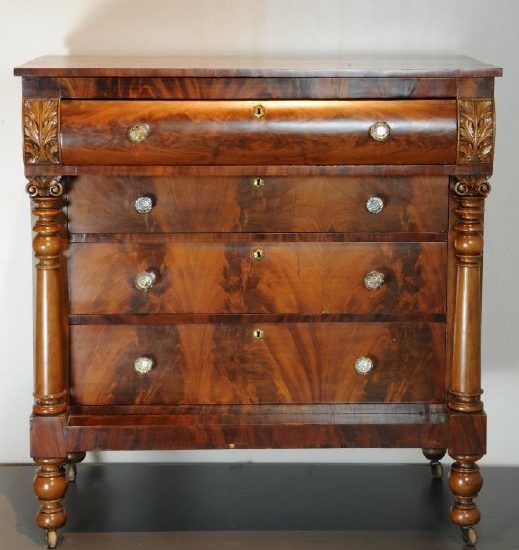
There are many stories of cursed objects, but one that really sends shivers down the spine is that of Jacob Cooley’s cursed chest. It is actually a chest of drawers, known in the United States as the Conjured Chest. And as we will see, even the name Jacob Cooley is not the real one.
The Conjured Chest is a mahogany chest of drawers held by the Kentucky Historical Society, which received it as a gift in 1976. According to family tradition it was built around 1830 by an enslaved man who died after being beaten by his master, and was cursed by the other enslaved people. Eighteen deaths are associated with it. The names in the best-known version, such as Jacob Cooley and Hosea, had been changed.
The story of the chest
The best-known version is the one told in Flapdoodle, Trust & Obey, published in 1966 with the writings of Kentucky author Virginia Cary Hudson. In the 19th century Jacob Cooley, a wealthy and cruel landowner, was expecting his first child. He ordered Hosea, one of the men he enslaved and a skilled carpenter, to build a chest of drawers for the baby.
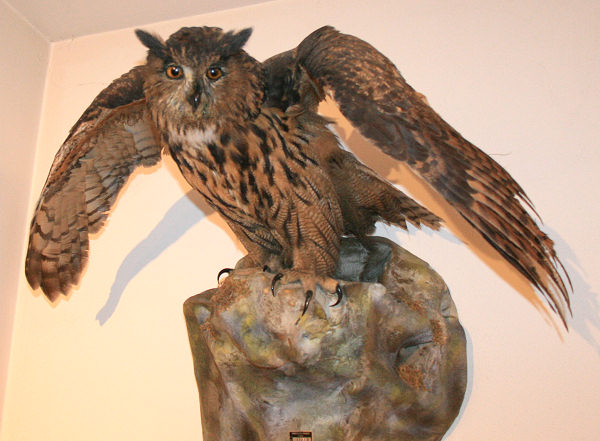
When he saw the finished piece, Cooley was displeased, for a reason no one ever knew. He beat Hosea so violently that the man died of his injuries. The other enslaved people then gathered around a “conjure man”, an expert in African American folk magic, who cursed the chest by sprinkling dried owl’s blood in its drawers. From then on, it was said, anyone who put their clothes in it would meet a tragic end.
The victims
The first victim was said to be Cooley’s own child, whose baby clothes had been placed in the chest: he died as an infant. Then the curse supposedly struck, generation after generation, the relatives who inherited the piece and kept their clothes in it. According to the story, one heir was stabbed to death by his personal servant, while others died in accidents or of sudden illnesses. Even wedding clothes kept in the drawers seemed to bring misfortune.
The chest then passed to Eliza Gregory, who moved it into her room after her husband John David died in 1908. Eliza died on 4 April 1915, and the piece went to her granddaughter, Virginia Cary Hudson, who took it to Louisville with her husband, Kirtley Cleveland. Virginia put her first child’s baby clothes in it, and the baby died. Her elder daughter’s wedding clothes were also placed in the chest.
The ritual to break the curse
In the end Virginia decided to rid herself of the curse and asked for help from Sallie, the maid who had worked for her most of her life. Sallie knew how to break the conjure, and they did it together. The ritual was precise:
- a friend had to bring a dead owl, without being asked;
- the leaves of a willow planted by a friend had to be boiled for a whole day, in sight of the owl;
- the liquid had to be poured into a jug and buried under a flowering bush, with the handle facing east.
But there was a price. Before the bush lost its leaves that autumn, one of the two women would die. In September Sallie died. She was the last victim.
The real names
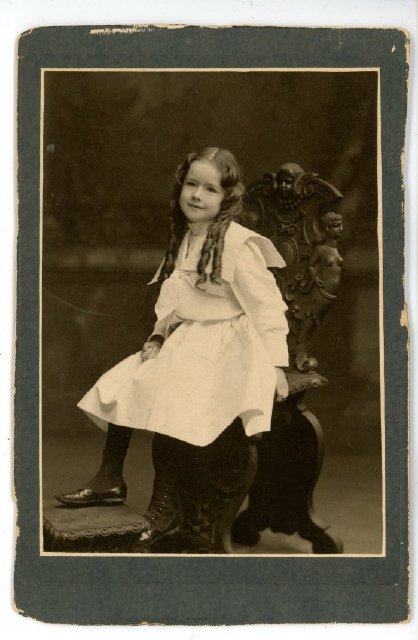
Virginia Cary Hudson Cleveland (1894–1954) told the whole story in a letter to her daughter, Virginia Cary Hudson Mayne. She herself had heard it as a child from her grandmother, Eliza. In the 1966 book, however, the names had been changed.
In 2017 Beverly Mayne Kienzle, Virginia’s granddaughter, published The Conjured Chest: A Cursed Family in Old Kentucky, in which she identified the real names of those involved. According to the Kentucky Historical Society, the chest was probably made around 1830, possibly in Meade County, Kentucky, by an enslaved man named Remus, for Jeremiah Graham’s firstborn. It was Jeremiah who beat him to death. So in reality Jacob Cooley and Hosea were Jeremiah Graham and Remus, and the “Annie” of some versions was actually Sallie. In all, 18 deaths are associated with the chest: 16 people struck by the curse, plus Remus and Sallie.
The chest today
In 1976 Virginia Cary Hudson Mayne donated the chest to the Kentucky Historical Society in Frankfort. According to her daughter, she wanted it kept away from innocent people and clearly marked as not for use. A few owl feathers are still in the top drawer, to keep the curse at bay, and no one has put clothes in it since.
The museum considers it perhaps the most unusual of its “eerie” objects, and in 2015 it appeared in the Travel Channel series Deadly Possessions.
Beyond the curse, this is also a story of slavery and violence. The chest’s “revenge” is perhaps the way one family told, for generations, a guilt that could not be erased.
🦋 Emadion lives through its readers. If this story kept you up at night, buy me a coffee: it helps me bring you the next nightmare.
☕ Support Emadion on Ko-fiSources
- Kentucky Historical Society – New Details About the Cursed Chest
- Kentucky Historical Society – object record
- Wikipedia – Virginia Cary Hudson