
 Posted by
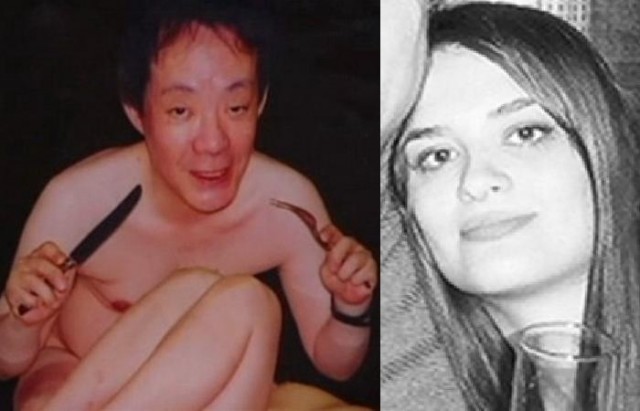
- Who: Issei Sagawa (Kobe, 26 April 1949 – Tokyo, 24 November 2022).
- Victim: Renée Hartevelt, a 25-year-old Dutch student at the Sorbonne.
- When and where: 11 June 1981, in his flat at 10 rue Erlanger, Paris.
- Outcome: declared insane in France, sent back to Japan and free from 1986. He was never tried.
Issei Sagawa was a Japanese murderer, necrophile and cannibal. He was not a serial killer, since he killed only one young woman, but the way he killed her and how the story ended are hard to believe.
Childhood
Issei was born in Kobe on 26 April 1949. His father, Akira Sagawa, was a very important businessman, president of a large water treatment company, and his grandfather had been an editor at the Asahi Shimbun, while his mother was a classic dragon mother (or tiger mother), very possessive and demanding with Issei and his younger brother.
He was born premature, so small that he reportedly fit in the palm of his father’s hand, and right after birth he developed a severe enteritis that brought him very close to death. He survived thanks to a series of potassium and calcium injections, but he would always have a small, frail build: as an adult he was just 145 centimetres tall.
He said he had cannibalistic fantasies from an early age, the first one already in first grade, and they grew stronger in adolescence with sexual development. At school he could never talk to girls because of a deep insecurity rooted in his low self-esteem, which also came from his health problems and his looks. In an interview he described himself as a “little monkey”. Introverted and often ill, he took refuge in literature.
The student incident
He had always been attracted to Western women, whose photos filled the magazines of the time. At 24, while a student at Wako University in Tokyo, he noticed a tall, blonde young German woman living in his neighbourhood. He was immediately struck and felt an irresistible urge to eat her flesh, especially her buttocks.
He followed her home and one night sneaked into her flat while she was asleep. His plan was to cut off a piece of her buttock and run away with the flesh, but she woke up screaming. Issei, being slight and unable to overpower her, tried to run, but she pushed him to the ground and the police arrived.
Issei was charged with attempted rape, without ever confessing his real intentions. According to several accounts his father paid the woman a large sum to drop the charges, and the case was hushed up.
Paris
In 1977, at 28, to escape his parents’ pressure and let things calm down, he went to Paris for a PhD in literature at the Sorbonne. Once in France he found himself surrounded by his fantasy: Western women. He later said that almost every night he brought a prostitute home intending to shoot her, but at the last moment his fingers froze.
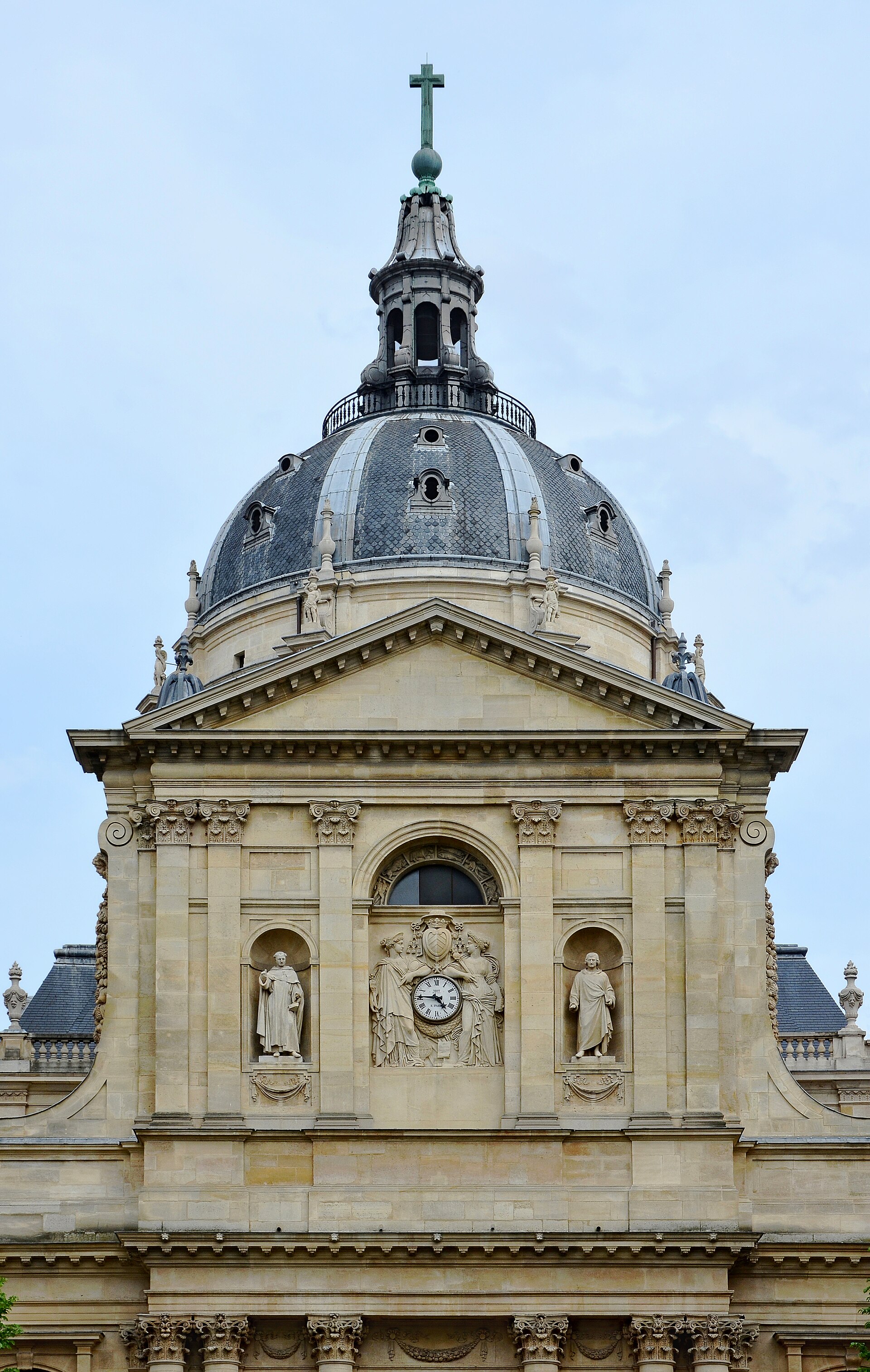
Even so, his relationships with women didn’t improve and he always kept to himself. In his class, however, he met Renée Hartevelt, a 25-year-old Dutch woman, tall, beautiful and full of life, who tried to befriend him. She even invited him to a class dinner to help him fit in, and he would always remember it as the best evening of his life.
The murder
Issei fell in love with Renée and started having cannibalistic fantasies about her. He chose her, he later said, precisely for her health and beauty, everything he felt he lacked: he wanted to “absorb” her energy.
He then began planning her death and shortly after the dinner asked her to help him with an assignment, recording some poems to translate, inviting her to read them at his flat at 10 rue Erlanger, in the 16th arrondissement. She agreed, not knowing it would be her last evening.
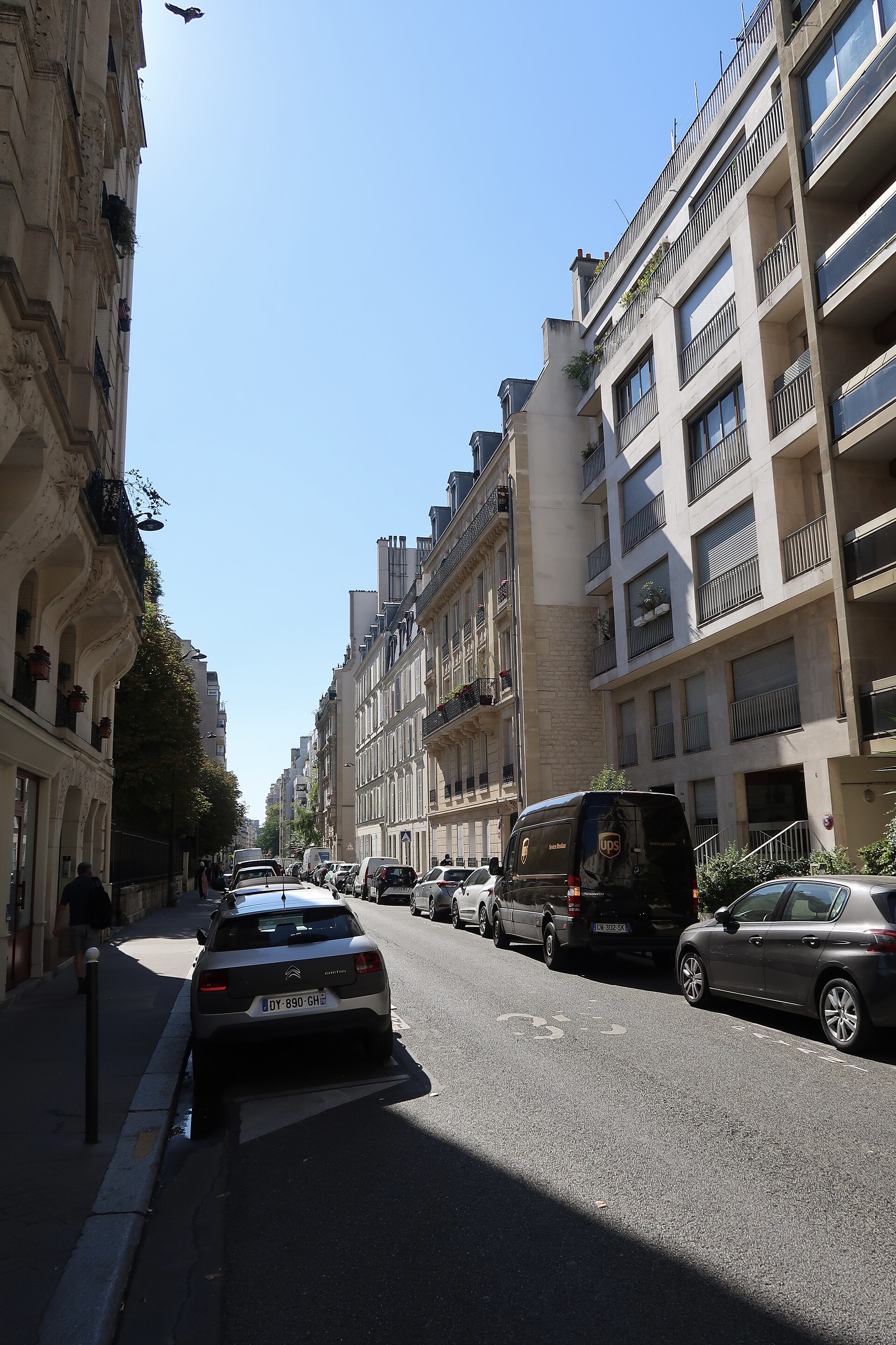
On 11 June 1981, while Renée sat at the desk with her back to him and the tape recorder running, Issei shot her in the back of the neck with a .22 rifle, killing her.
He would say he fainted from the shock and woke up knowing he had to carry out his plan. He abused the corpse, then tried to bite into the flesh, but his teeth were not sharp enough, so he went out to buy a butcher’s knife. Over the following days he cut and ate various parts of the body, including the buttocks, thighs, breasts, neck and face, sometimes raw, sometimes cooked, keeping the rest in the fridge. He photographed every stage.
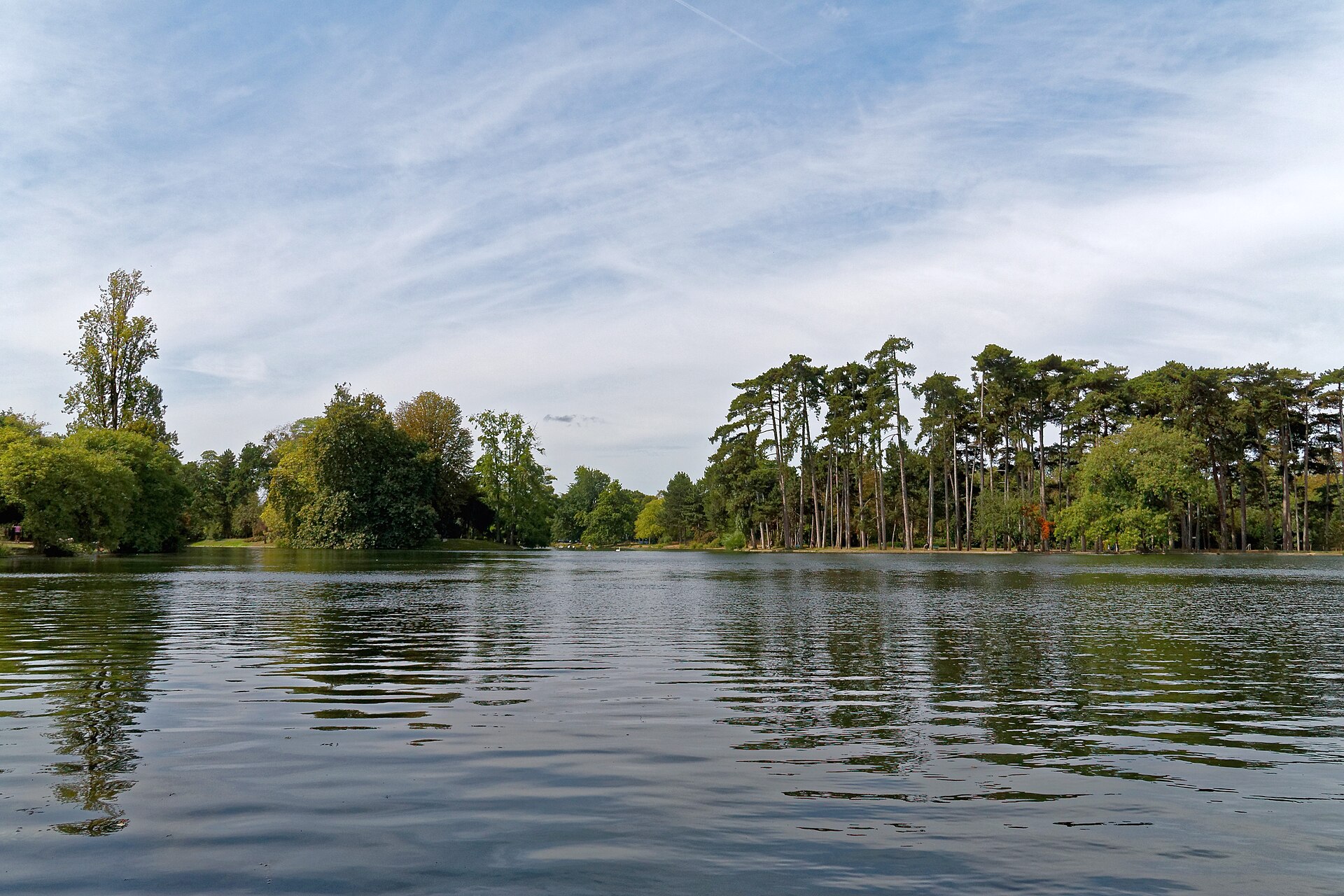
When the remains began to decompose he decided to get rid of them: he cut up the body, put it in two suitcases, called a taxi and had himself driven to the Bois de Boulogne, intending to throw the suitcases into the lake.
The discovery and the arrest
But two such heavy suitcases, dragged by a tiny man, did not go unnoticed. Some passers-by saw the scene and a strange liquid leaking from the suitcases: opening them, they made the terrible discovery and called the police.
A manhunt began at once and the authorities asked anyone who had seen something suspicious to contact the police. The taxi driver who had driven him saw the news and remembered the Asian young man who, despite having two suitcases, had asked to be taken not to a station but to a park, and he called the police and told them everything. Luckily he still remembered the address, and the police went to check. Issei was arrested four days after the murder.
Issei confessed immediately but seemed neither scared nor sorry. On the contrary, he seemed cocky and even said that if he had had a freezer he would never have been caught. In his flat the police found the rifle, the tape recorder on which you can hear Renée reciting a poem, a shot and then a body falling to the floor, the photos taken throughout, and more of her remains in the fridge.
Free
His father, a very wealthy man as we said, paid for one of the best lawyers. After two years in custody awaiting trial, examining magistrate Jean-Louis Bruguière declared him legally insane and unfit to stand trial, and ordered him held indefinitely in a psychiatric institution. But what happened next is hard to believe.
Meanwhile his account of the murder, “In the Fog”, was published in Japan and became a success, and Sagawa became a macabre celebrity. That notoriety and the pressure contributed to the French authorities’ decision to send him back to Japan in 1984, where he was committed to Matsuzawa psychiatric hospital in Tokyo.
There, however, the psychiatrists unanimously declared him sane: in their view sexual perversion alone had driven him to kill. Since the charges in France had been dropped and the court records were never handed to the Japanese authorities, there was no legal basis to hold him. On 12 August 1986 Issei signed himself out of the hospital and walked out a free man, never tried for Renée’s murder.
Celebrity
From then on he lived without any supervision, medical or police, and under his real name, cashing in on the public’s morbid curiosity. For years he was a guest on TV shows and at talks, wrote several books about his crime, restaurant reviews for Spa magazine and even a book on the 1997 Kobe murders. In 1992 he appeared in a Japanese erotic film, “The Bedroom”, and gave many interviews coldly telling his story, such as the one with Vice in 2011.
In that very interview he said that being forced to make a living as “the cannibal” was a terrible punishment. In 2005 his parents died and he was not allowed to attend the funeral; he ended up living in public housing, for a while on welfare.
In 2013 he suffered a cerebral infarction that permanently damaged his nervous system, and from then on he was cared for by his younger brother and carers. In 2017 the documentary “Caniba” showed him old and ill alongside his brother. Issei Sagawa died of pneumonia in a Tokyo hospital on 24 November 2022, aged 73, a free man.
Of Renée Hartevelt, on the other hand, what mostly remains are her name and age: 25, a student who had only tried to be kind to a lonely classmate.
🦋 Emadion lives through its readers. If this story kept you up at night, buy me a coffee: it helps me bring you the next nightmare.
☕ Support Emadion on Ko-fi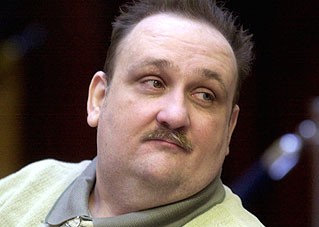





that’s so unfair.