 Posted by
In 1888, during Stanley’s expedition in the Congo, James Sligo Jameson, heir to the Jameson whiskey family, allegedly paid men working for slave trader Tippu Tip to watch a 10-year-old girl being killed and eaten. He was accused by his interpreter Assad Farran; Jameson, who died of fever that same year, claimed he had thought it was a joke.
Jameson is one of the most famous and best-selling whiskeys in the world, yet the name of the family of Scottish origin that founded the company in Dublin in 1780 is still shadowed by the Jameson affair. This is the name given to a still much-debated episode in which, in 1888, during an expedition in the Congo, whiskey heir James Sligo Jameson allegedly bought a 10-year-old girl just to see her killed and eaten by a tribe of cannibals.
At that time Africa was a land that greatly interested the European powers for its vast mineral resources. Death and violence were the order of the day, and wealthy families often organised expeditions to look for gold or precious stones or new lands to colonise.
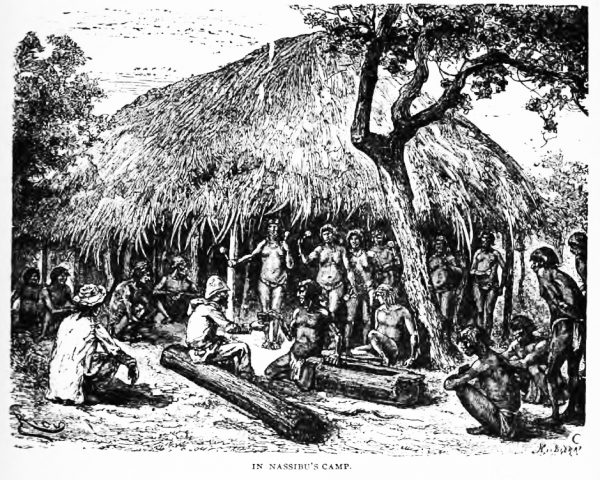
James Sligo Jameson (1856-1888), a grandson of the founder John Jameson, was a naturalist with a passion for Africa and a member of the Emin Pasha Relief Expedition led by explorer Henry Morton Stanley. Jameson was at Ribariba, in the Congo, with Tippu Tip, a Swahili slave trader from what is now Tanzania, and the interpreter Assad Farran.
The Jameson affair
The accusation of cannibalism against James Jameson was made by the interpreter Assad Farran himself, who had accompanied Jameson in the Congo during the expedition. In an affidavit, a written sworn statement, Assad gave his version of events, which also appeared in the New York Times of 14 November 1890.
Assad Farran’s version
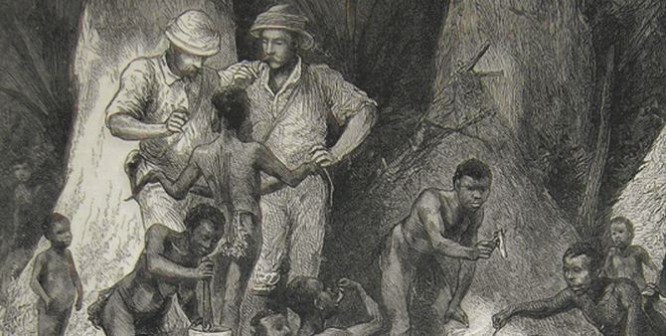
According to the interpreter, Jameson expressed a wish to see an act of cannibalism. Tippu Tip consulted some tribal chiefs and told Jameson to get a slave. Jameson chose a 10-year-old girl, paid for with six handkerchiefs. He then gave her as a gift to members of the tribe, who tied her to a post and killed her with two stab wounds to the stomach. The girl, according to the interpreter, seemed to know the fate that awaited her and neither screamed nor tried to escape. After killing her, the tribesmen cut up and cooked her body, while Jameson sketched the scene in six drawings.
James Jameson’s version
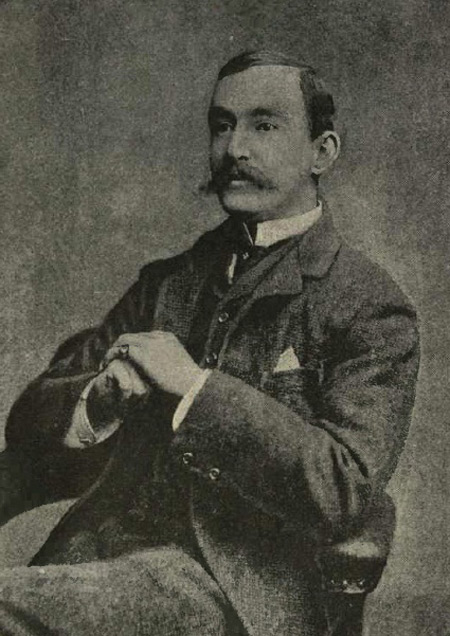
Jameson’s denial was not long in coming, and according to the young heir things went differently. Shortly before his death he reportedly wrote a letter explaining what had really happened, which his wife published in the New York Times.
Jameson said Assad’s accusations were cruel, but that he had witnessed a cannibal rite. According to Jameson, Tippu Tip took him to a tribe that performed a strange tribal dance. The slave trader told Jameson that the dance was usually followed by a cannibal rite. The young heir took those words as a joke, but Tippu Tip asked him for 6 handkerchiefs to prove otherwise. James gave the trader what he asked for, thinking it was just a way of getting a present. Shortly afterwards, however, he witnessed one of the most terrifying scenes he would ever see.
In his diary, Jameson admitted that he had paid, witnessed the scene and drawn it, but claimed he had thought the whole thing was a joke. He never had the chance to defend himself publicly: he died of fever in August 1888, still in the Congo basin, a few months after the events.
To this day nobody knows the truth, and the shadow of the Jameson affair still hangs over the family.
🦋 Emadion lives through its readers. If this story kept you up at night, buy me a coffee: it helps me bring you the next nightmare.
☕ Support Emadion on Ko-fi