 Posted by
- When: the night of 27-28 September 2015; in Italy totality lasted from about 4:11 to 5:23 am.
- Why it was special: it was a total eclipse with the Moon at perigee, the so-called “supermoon”.
- Distance: about 356,876 km from Earth.
- The next “red supermoon” in the same series: 8 October 2033.
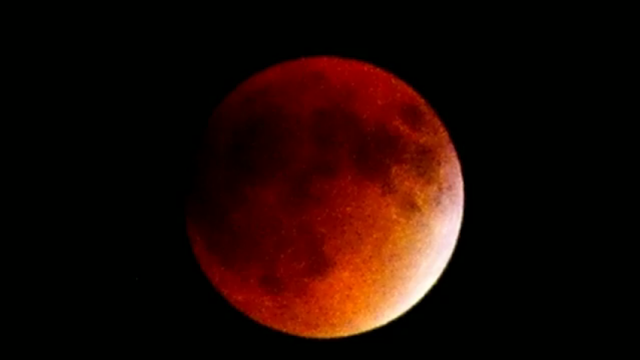
The red moon
Right now I’m watching the eclipse of the so-called supermoon, or red moon. I’ve been following it since 3 o’clock this morning, thanks also to a crystal-clear sky.
The eclipse itself is thrilling, but also because the moon is at perigee, the point of its orbit closest to Earth, “just” 356,876 kilometres away. Perigee was reached only five hours before the peak of the eclipse, which is why the Moon looks bigger than usual: about 13% larger in diameter than during the April 2015 eclipse.
Now the eclipse is total and will last for more than an hour, with the moon finally setting shortly after 7.
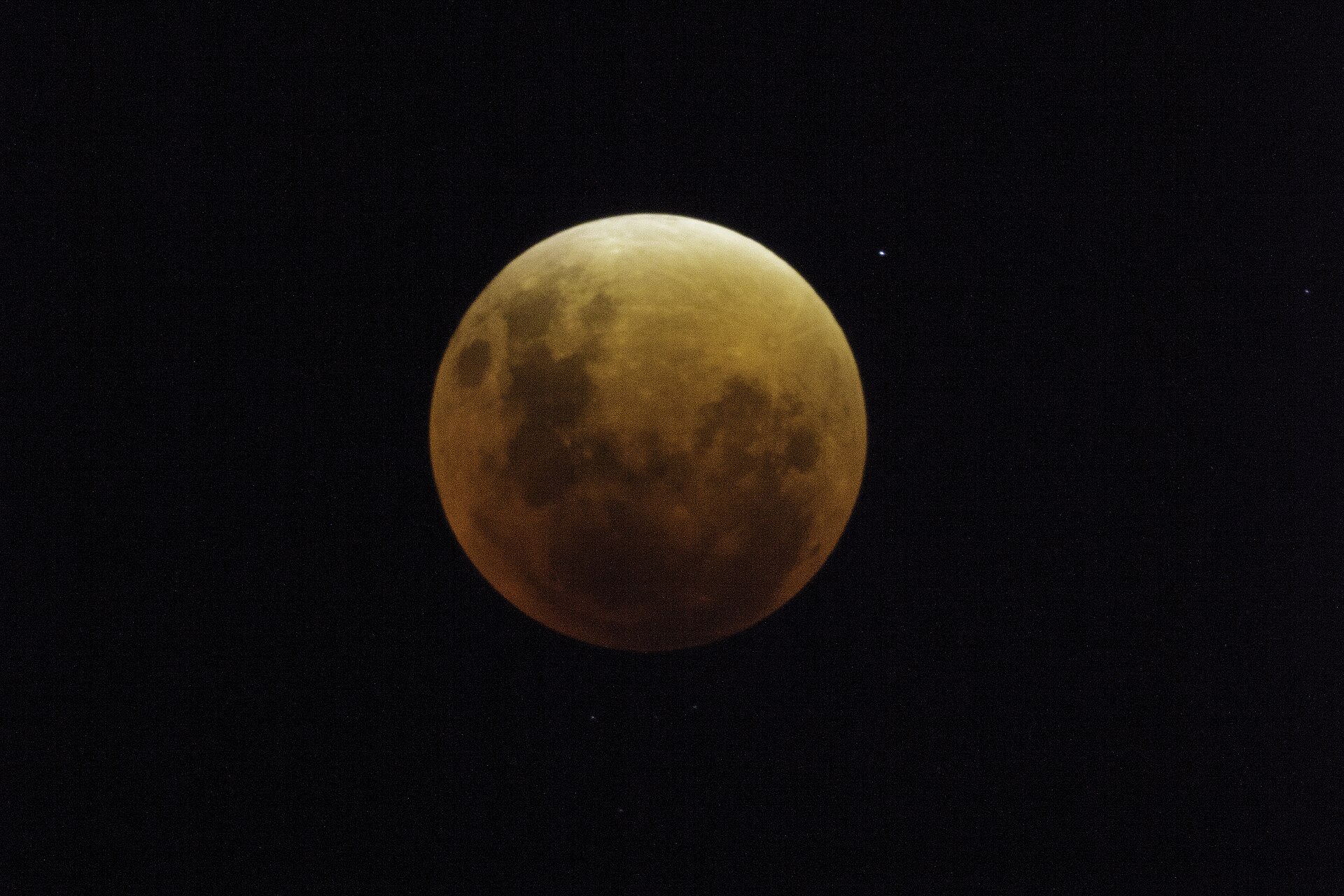
It is called the red moon because, darkened by the Earth’s shadow, it takes on a reddish colour. The reason is the same that makes sunsets red: Earth’s atmosphere bends mostly the red part of sunlight towards the Moon, filtering out the blue. This time, moreover, the Moon looked darker than expected, perhaps because of ash left in the atmosphere by the April eruption of the Chilean volcano Calbuco.
But there’s another factor that makes tonight so special: this is the last of a “tetrad”, a series of four consecutive total lunar eclipses that began in April 2014.
We will only see another total supermoon eclipse in this same series on 8 October 2033.
For night owls like me who aren’t lucky enough to have a clear sky, here is a live video of the eclipse.
Update
After that night, luckily, we didn’t have to wait until 2033 to see the red Moon again from Italy: there have been other total eclipses, such as the very long one on 27 July 2018, visible in midsummer at moonrise, and the one on 7 September 2025.
🦋 Emadion lives through its readers. If this story kept you up at night, buy me a coffee: it helps me bring you the next nightmare.
☕ Support Emadion on Ko-fi