 Posted by
The story of the little Marquis Francesco Longhi takes place in the castle of Fumone, in Lazio, already the scene of gruesome events. The castle had in fact been used as a prison by the Church, and many unbelievers had been tortured and killed there.
The castle of Fumone

Perched on a hill in the village of the same name, in the province of Frosinone, this castle is a place steeped in history and legend. Its strategic position, over 800 metres high between Alatri and Ferentino, made it for about five centuries, from the 11th to the 16th, a crucial military outpost for the defence of the Papal States. At the end of the 16th century it became the country residence of the Marquises Longhi.
The name Fumone comes from the castle’s ancient function: on its highest tower a pyre was lit that gave off dense smoke, visible for miles, warning Rome and the surrounding lands of approaching enemies. This signalling system was vital at a time when raids could wipe out entire villages.
Today the castle is owned by Stefano and Fabio de Paolis, who opened it to the public in 1990. Within the fortress walls, though, there are not only historical relics: at least 18 ghosts are said to haunt its halls. It is not hard to believe, considering that for centuries Fumone was a papal prison where heretics, political enemies and even a pope were locked up and tortured.
Pope Celestine V, the most illustrious prisoner
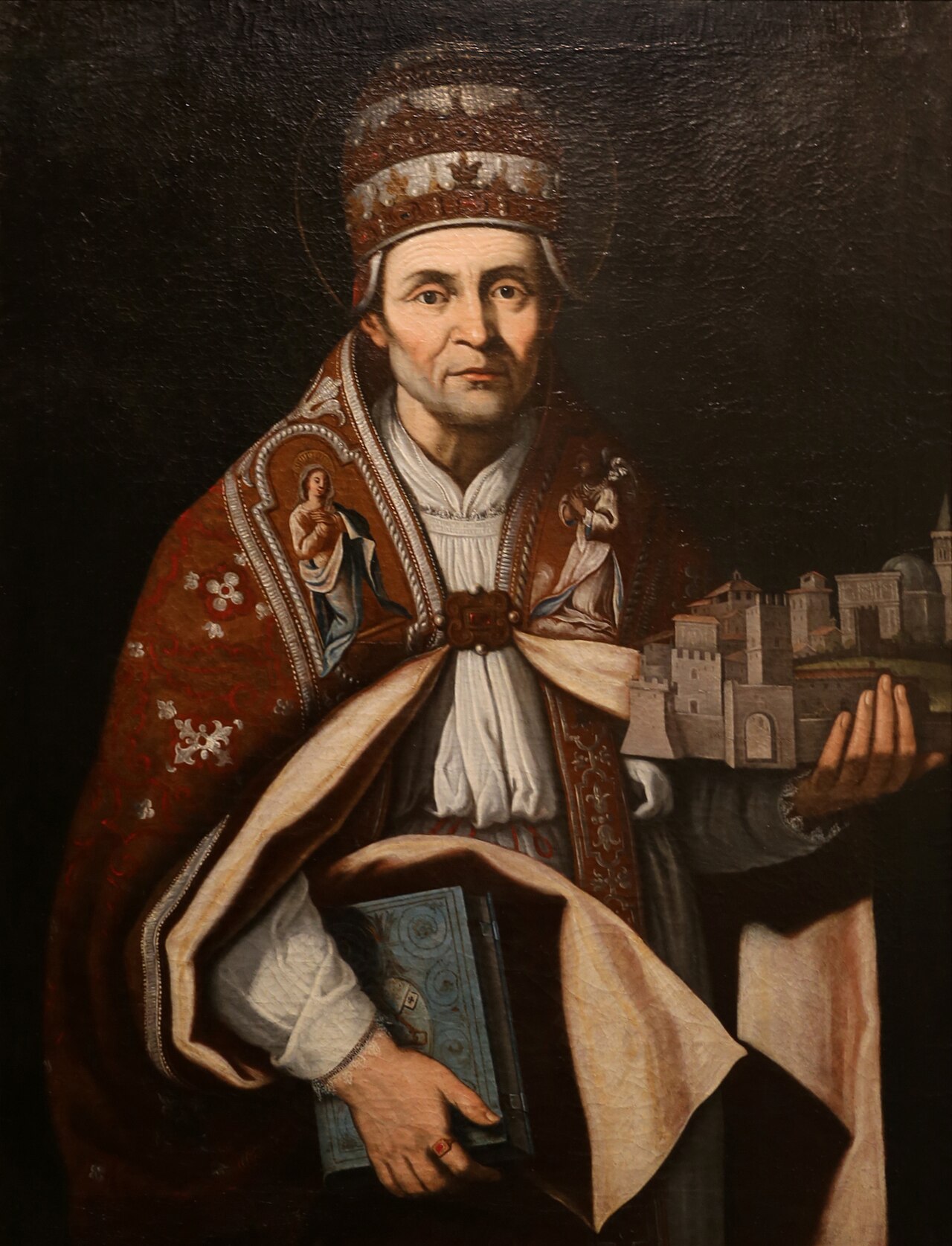
One of the castle’s most famous prisoners was Pietro da Morrone, better known as Pope Celestine V. Elected in 1294 after an endless conclave, the hermit monk abdicated after only five months, refusing to be drawn into the murky schemes of church power.
His renunciation made him a danger to his successor, Boniface VIII, who in 1295 had him imprisoned in the fortress of Castel Fumone. Celestine V stayed there for about ten months and died on 19 May 1296 in a cramped cell barely two square metres in size, in circumstances never fully explained. Some historical sources suggest he was murdered on Boniface’s orders.
His spirit too, it is said, remained trapped within those walls: visitors and caretakers say they have heard moaning coming from his cell or seen a hooded shadow wandering the corridors.
The story of the little Marquis Longhi
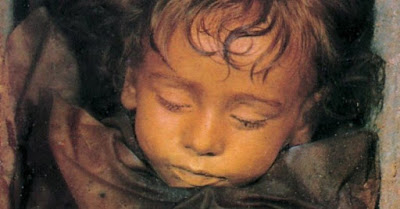
But of all the stories tied to the castle, one of the most heartbreaking is that of the little Marquis Francesco Longhi, a small child who fell victim to a cruel family plot.
Sources disagree on his age: most say he was five, others three. According to some, he died in 1851.
Francesco was the only son of the Marquises Longhi, born after seven sisters. Under the laws of the time, as male heir he would receive the entire family fortune, leaving his sisters to arranged marriages without a dowry. For some of them this meant a life of submission and poverty.
It is said that the seven sisters decided to get rid of their little brother to secure a better future. The method was particularly cruel: shards of glass hidden in his food or, in some versions, gradual poisoning with arsenic.
In the 19th century medicine was still rudimentary, and when little Francesco began to suffer excruciating stomach pains, vomiting blood, the doctors could not save him. He died after days of suffering. One of the sisters, Giulia, was already suspected of having killed a previous fiancé imposed by the family in the same way, with pieces of glass in his food. However, there was never enough evidence to convict her.
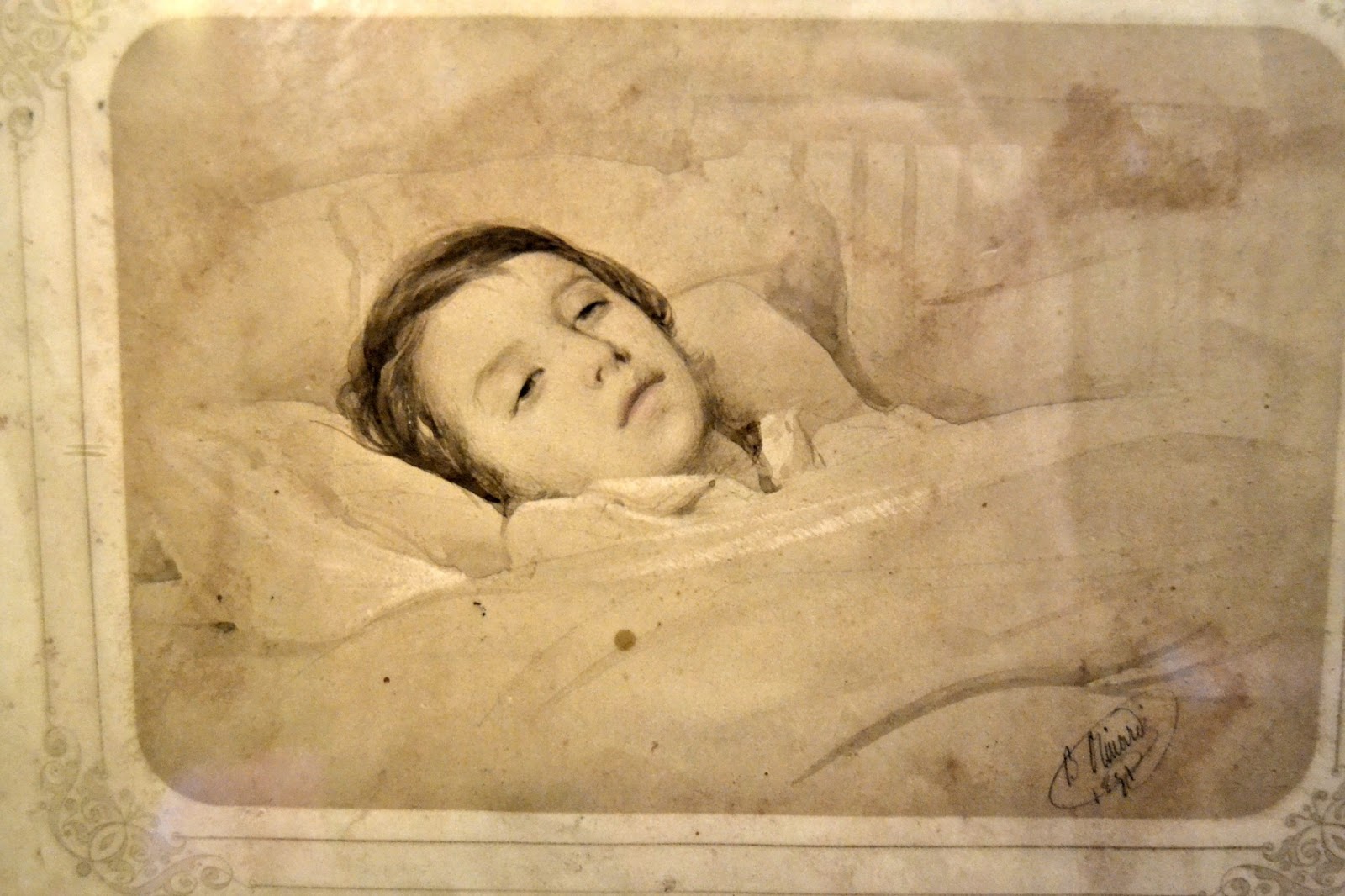
Before he died, a portrait showing him on his deathbed was painted, which you can see in the image above. The painting, now on display in the castle, seems almost to capture the child’s last look, in an expression of broken innocence.
The grieving mother and her son’s mummification
His mother, Marchioness Emilia Caetani Longhi, fell into endless despair. Refusing to accept her son’s death, she decided not to bury him but to have him embalmed and kept in a glass case inside the castle. The method used to preserve him has remained unknown.
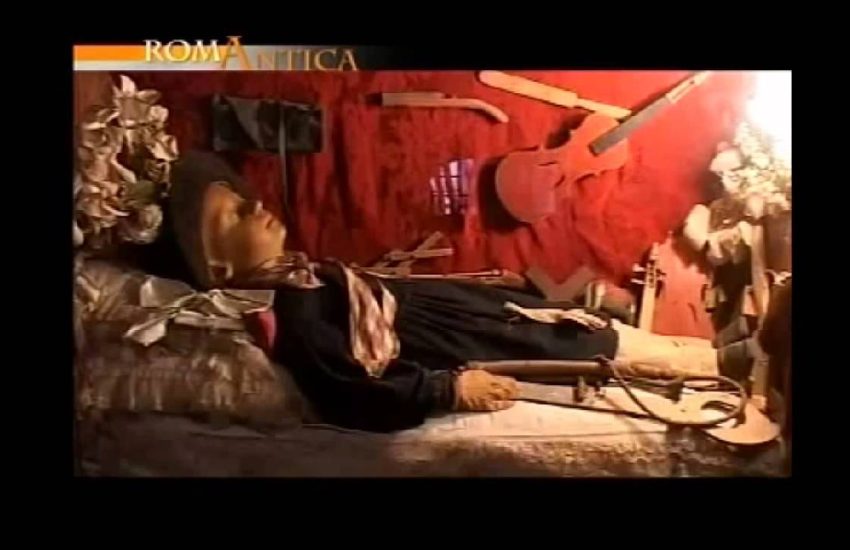
The child’s body was covered in wax to preserve his features and dressed in fine clothes. The marchioness treated him as if he were still alive: every day she changed his little clothes, arranged his favourite toys around him and talked to him.
Ghosts and unsolved mysteries
Many visitors to the castle swear they have witnessed inexplicable phenomena.
The shadow of a woman in mourning wanders the rooms, identified as Marchioness Emilia, still searching for her child. Some have heard a child crying in empty rooms. Others say they have noticed changes in the little Marquis’s expression.
Caretakers and tourists also speak of objects moving by themselves, whispering voices and an oppressive atmosphere in the oldest rooms.
Today the castle of Fumone is a destination for history lovers and ghost hunters. Within its walls the past seems unwilling to die: from the shadows of tortured prisoners to the little Marquis Longhi, whose tragic end remains an open wound.
Visitors to the castle can still see, in the Archive Hall, the case with the little Marquis’s body, his posthumous portrait and the clothes he wore. But the question many ask is: is it really just a macabre relic, or is the child’s spirit still there, trapped in eternal grief?
🦋 Emadion lives through its readers. If this story kept you up at night, buy me a coffee: it helps me bring you the next nightmare.
☕ Support Emadion on Ko-fiSources
- SiViaggia (Italian)
- Eroica Fenice (Italian)
- Italy Heritage, The castle of Fumone and its mysteries
- Italy for Movies, Castle of Fumone
- Museionline, Castello di Fumone (Italian)