 Posted by
- Who: Rosalia Lombardo (Palermo, 13 December 1918 – 6 December 1920).
- Where she lies: in the chapel of Saint Rosalia, in the Capuchin Catacombs of Palermo.
- Embalmed by: Alfredo Salafia, at the request of her father Mario.
- Nickname: “Sleeping Beauty”.
- The mystery: several times a day she seems to open and close her eyes.
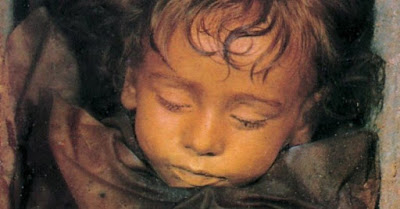
Rosalia Lombardo is one of the most famous mummies in Italy and in the world. Her father had her embalmed and she now lies in the catacombs of Palermo, and those who have seen her swear that, at certain times of day, the mummy opens and closes her eyes.
Rosalia Lombardo
Rosalia was born in Palermo on 13 December 1918, the daughter of Mario Lombardo, an army officer, and Maria Di Cara. Little is known about her very short life. Sadly she died on 6 December 1920, a week before her second birthday, of bronchopneumonia, probably a complication of the Spanish flu that was then finishing its sweep across Europe.
Her heartbroken father decided to have her embalmed so he could keep her pretty little face forever, and so he contacted Alfredo Salafia.
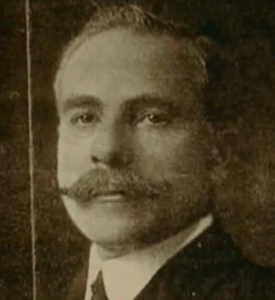
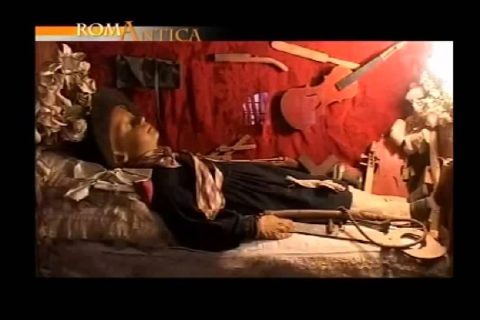
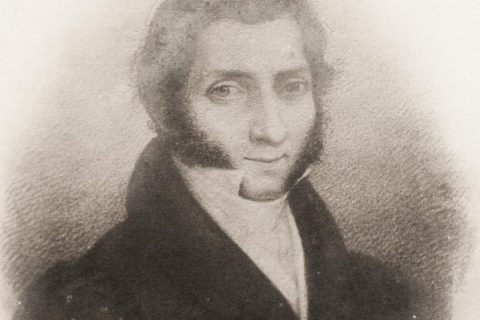
Salafia was a well-known Palermo embalmer, the same man who had worked on the body of statesman Francesco Crispi. He used a secret technique thanks to which, more than a hundred years later, we can still see Rosalia’s little face. She was one of the last people buried in the catacombs, shortly before burials there stopped, and she still lies in the chapel of Saint Rosalia, at the end of the first corridor.
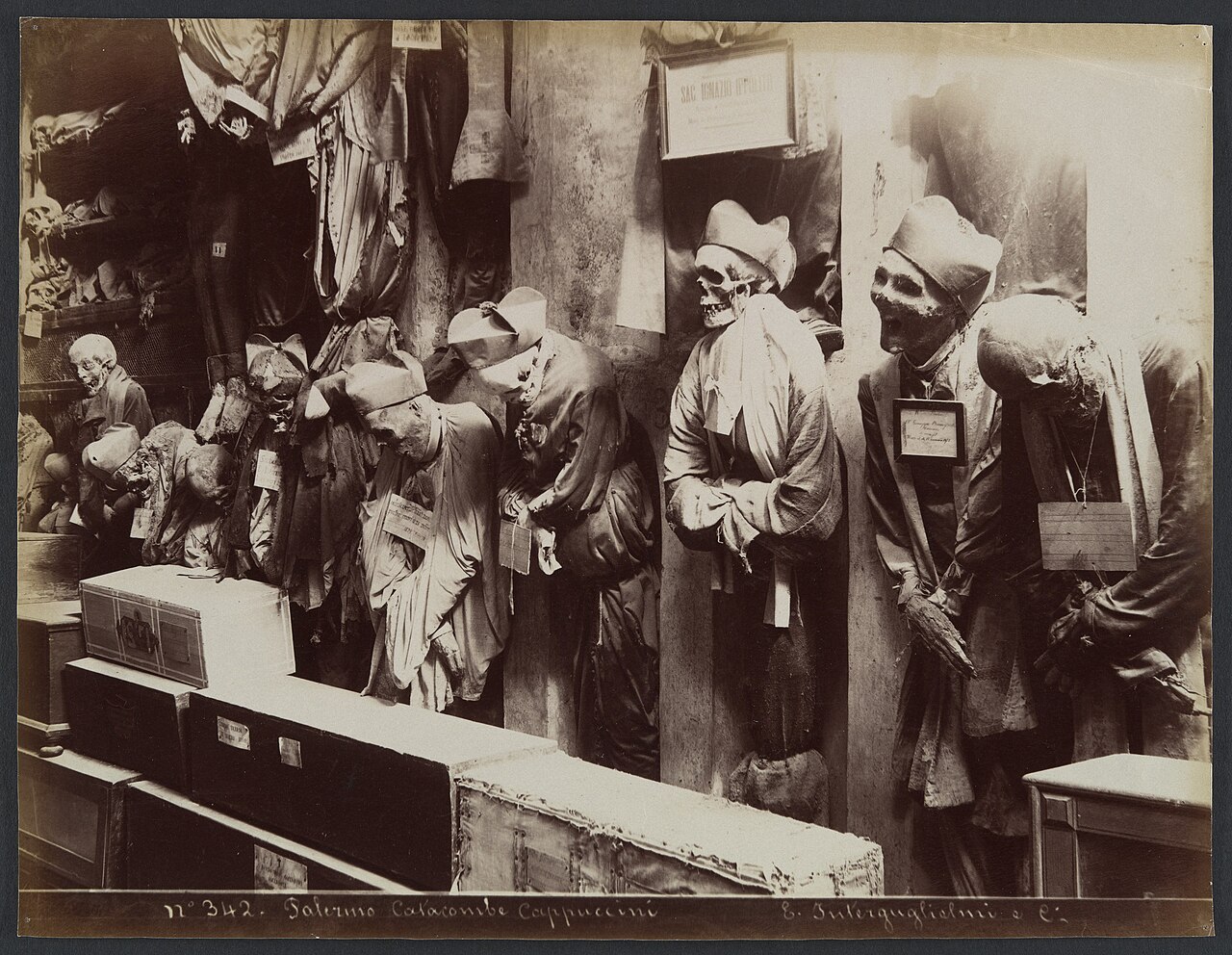
The catacombs, beneath the Capuchin convent, hold around 8,000 bodies, fully dressed and divided by sex and social class. Bodies were usually left to dry out for about a year, washed with vinegar and dressed again, but for Rosalia Salafia used a much more modern method.
Salafia’s secret formula
The ingredients Salafia used for the embalming remained a mystery until 2009 when, by studying his notes, the answer was found. It was Dario Piombino-Mascali, anthropologist and curator of the catacombs, who tracked down the manuscript in which Salafia described the procedure.
The mixture was made of three equal parts: glycerin, formalin saturated with zinc sulphate and zinc chloride, and an alcohol solution saturated with salicylic acid. It was introduced with a single injection, probably into the femoral artery, using gravity.
Each ingredient had its purpose: formalin killed bacteria, alcohol helped dry the tissues, glycerin kept them from drying out too much, salicylic acid stopped mould from growing and the zinc salts gave the body rigidity. The technique worked so well that the little girl looks almost asleep, earning her the nickname “Sleeping Beauty”. X-rays have shown that even her internal organs, such as the brain and liver, are still intact.
Conservation
Even so, around 2009 the body had begun to show small signs of deterioration, above all a change in the colour of the skin. To protect it, the original coffin was moved to a drier spot in the catacombs and enclosed in a hermetically sealed glass case filled with nitrogen, which prevents decay.
But there is another mystery tied to the mummy.
The mystery of Rosalia’s eyes
On the security cameras in the room you can see Rosalia, several times a day, open and close her eyes, revealing her blue irises.
There are many theories, from lighting effects to particular humidity conditions, and of course there are those who explain the mystery with paranormal phenomena.
However Dario Piombino-Mascali rules out both the paranormal and humidity, and speaks of an optical illusion: the light filtering through the side windows changes during the day and, since the body was moved into the new case, it strikes the eyelids differently. In reality, her eyelids have never been fully closed.
Below you can find a video where you will see little Rosalia open her eyes.
https://www.youtube.com/watch?v=OjRCq5Xhz8k
🦋 Emadion lives through its readers. If this story kept you up at night, buy me a coffee: it helps me bring you the next nightmare.
☕ Support Emadion on Ko-fiSources
- Wikipedia, Rosalia Lombardo
- Wikipedia, Capuchin Catacombs of Palermo (Italian)
- Dario Piombino-Mascali, Lo spazio di un mattino. Storia di Rosalia Lombardo, la bambina che dorme da cento anni, Dario Flaccovio, Palermo 2020