 Posted by
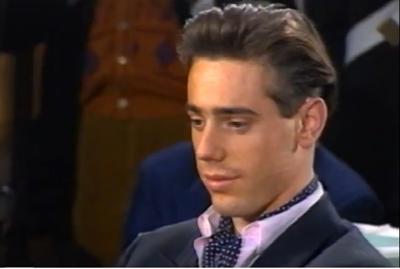
Marco Mariolini, an antiques dealer from Brescia, called himself an “anorexophile”: he was attracted only to extremely thin women and forced his partners not to eat. In 1997 he published a book asking to be stopped, but no one intervened. On 14 July 1998 he stabbed his ex-partner Monica Calò, 29, to death in Verbania. He was sentenced to 30 years.
Marco Mariolini, the “anorexic hunter”, is an Italian murderer who was sexually attracted to extremely thin, almost skeletal women. On July 14, 1998, he killed his ex-partner, Monica Calò, for rebelling against his psychological and physical abuse and against the starvation he forced on her. A year earlier he had written a book calling himself a monster and asking to be stopped. Nobody stopped him.
Marco Mariolini, the “anorexophile”
Marco Mariolini was born in 1959 in the province of Brescia, in northern Italy, and lived in Pisogne, on the shores of Lake Iseo, where he worked as an antiques dealer.
He called himself an “anorexophile”, a word he made up. Since childhood he had been attracted to thin, wiry, skeletal women. Because of this paraphilia he didn’t have sex until he was 19: he couldn’t find a girl thin enough for him.
Then one day he met Lucia, his first sexual partner. He later said the experience had been disappointing, because he had expected her to be much thinner.
The two started dating, but Marco broke up with her before leaving for Pisa to do his military service. He was convinced he would find plenty of women thinner than Lucia in Pisa. Once there, he realized the city wasn’t full of anorexic women after all.
He started thinking about her again, looked for her, won her back, and they got married. To please Marco, Lucia lost a great deal of weight, until she was reduced to skin and bones. That made Marco attracted to her, but Lucia’s love for him started to fade, and he noticed.
Within a few years Lucia got pregnant twice. During the pregnancies Marco felt repulsed by her no-longer-bony body and looked for anorexic lovers. Then, as he himself would tell it, for the sake of Lucia and their children he left her for good, while staying on good terms. That separation may well have saved her life.
Mariolini hunting for anorexics
After leaving Lucia, Marco needed another skeletal woman, or one willing to lose weight for him.
He tried dating anorexic girls, but realized their illness made it impossible for them to love him or have a relationship. He wanted a woman to live with in total symbiosis. More than a sick woman, he was looking for an “ordinary” woman willing to become skin and bones for him.
So he began placing newspaper ads looking for very, very thin women “for cohabitation or marriage”. One of the replies came from a student intrigued by such an unusual request: Monica Calò.
Monica was ten years younger than him. She came from Domodossola, in Piedmont, had Sicilian roots, and was studying speech therapy. People who knew her describe her as bright, sensitive and insecure.
Marco became obsessed with her and tried to convince her to move in with him. After a lot of threats and psychological pressure, she gave in.
At the time Mariolini’s business was doing badly, and Monica helped him a great deal financially, lending him tens of millions of lire from the sale of an apartment.
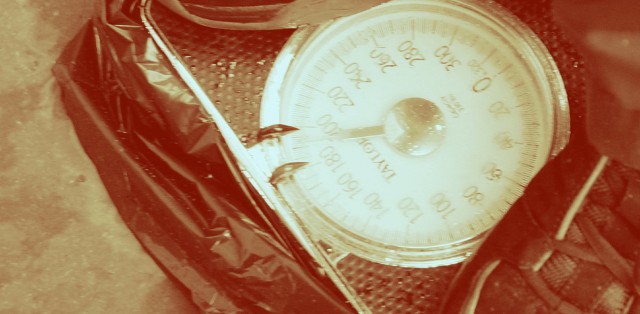
At first the relationship seemed calm, but Marco soon demanded that Monica lose more and more weight. He made her weigh herself several times a day and flew into a rage if she gained a few ounces. He cut her off from her family and friends and controlled her every move.
He wouldn’t let her eat, yet he still took her to restaurants. While he ordered whatever he liked, she was only allowed a cup of tea.
Monica’s rebellion
It was on one of these restaurant outings that Monica decided to rebel. While Marco was in the bathroom, she ordered herself a plate of gnocchi. When it arrived at the table, Marco couldn’t believe his eyes.
Monica was eating gnocchi right in front of him! Furious, he tried to snatch the plate away, but she grabbed it and ran into the kitchen. He followed her, dragged her back to the table and slapped her. Then they went home.
There the fight exploded: Marco humiliated her and made her spend the night on the floor, in the cold. Then he went to bed and fell asleep.
By now Monica was shattered. She was extremely weak and hungry, and Marco kept her with him through threats. He stopped her from seeing or talking to her family, watched her around the clock, and beat her.
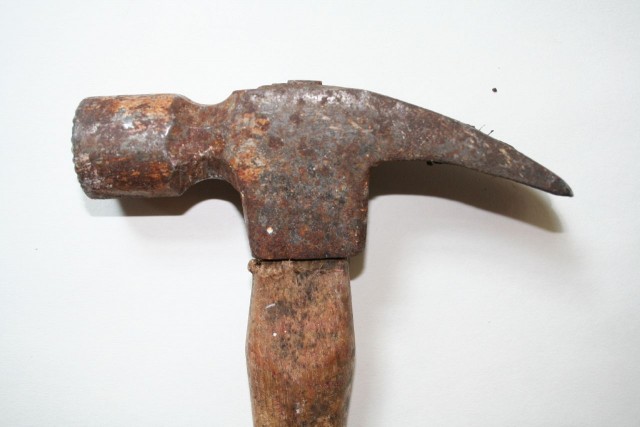
So she picked up a hammer and struck Marco in his sleep. He got away with a head injury and a few days in hospital. Monica turned herself in for attempted murder and was placed under house arrest with her family in Domodossola. Marco didn’t press charges; he even defended her. Slowly, she pulled away from him.
But Marco wouldn’t let go. He bombarded her with letters and phone calls: she had to come back and live with him. Monica recorded the calls and took them to the Carabinieri, and eventually filed a complaint against him.
The book: “Stop me”
With Monica gone and his debts piling up, Marco wrote an autobiography, Il cacciatore di anoressiche (“The Anorexic Hunter”), subtitled “Perversion, a black hole in psychiatry”. It was published in 1997 by Gruppo Edicom, and he sent a copy to Monica, whom he calls Barbara in the book, with this dedication:
“With hate and with love”
In the book Mariolini describes his obsession without any filter, presents himself as its victim, and goes as far as writing that he is a monster who must be stopped before he kills someone.
On May 12, 1997, at a press conference in Milan to launch the book, inspired by his life with Monica, Mariolini openly said he might do something terrible and should be stopped. Two Carabinieri officers were in the room and sent a report to prosecutors. But the acts described in the book were either past the statute of limitations or could only be prosecuted if the victim filed a complaint: legally, nothing could be done. Many newspapers dismissed the conference as a publicity stunt to sell copies.
Nobody listened, and about a year later he did exactly what he had warned about.
The murder of Monica
Mariolini managed to convince Monica to meet him one last time, promising he had changed. She set conditions: it had to be in daylight, in a crowded place.
Monica was afraid Marco wanted to kidnap her, and she was right. He had brought chains, duct tape and a knife in his car.
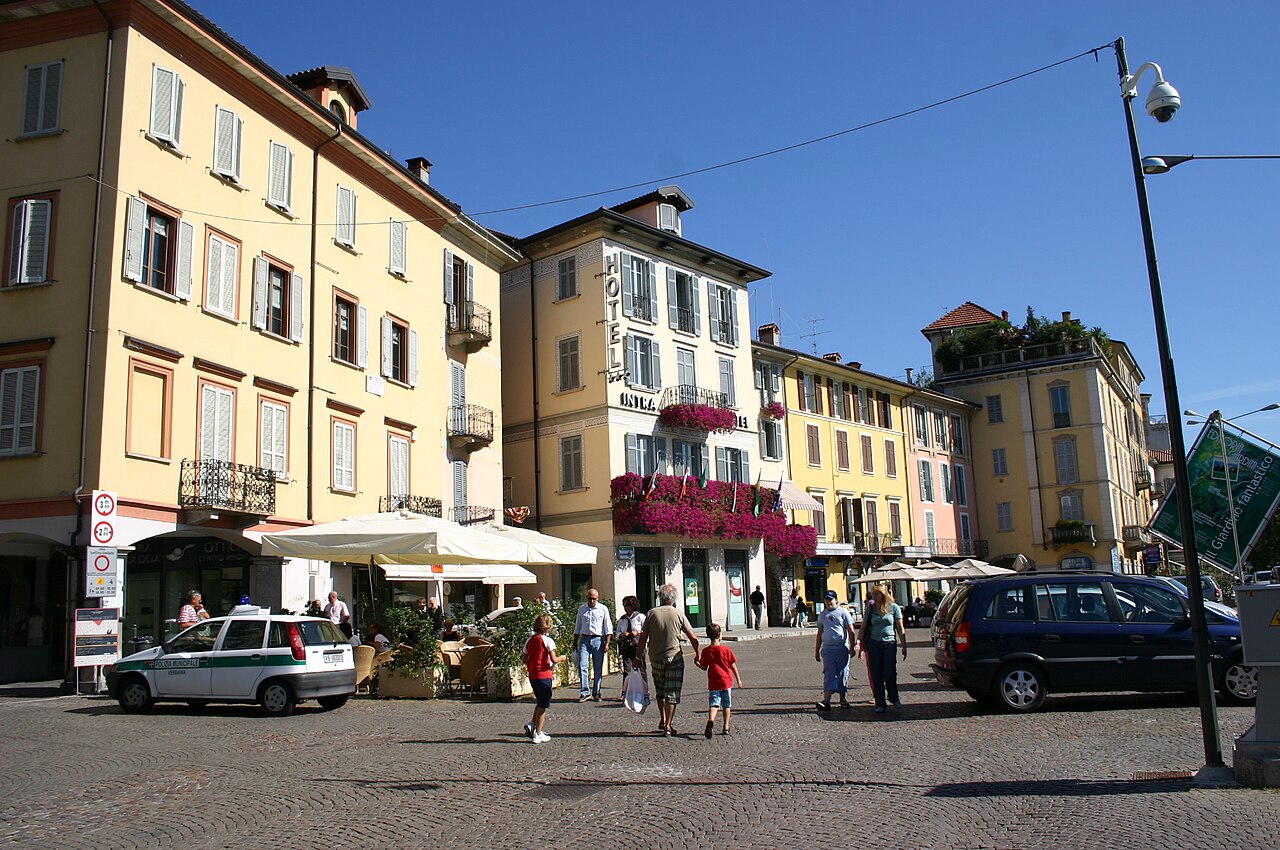
It was July 14, 1998, a sweltering summer day. They met in Intra, part of the town of Verbania, and walked along the shore of Lake Maggiore. Marco begged Monica to come back to him. She said no, and he turned violent. Couldn’t she see? He needed her!
Marco attacked her and Monica began to scream. He covered her mouth and told her to be quiet, but as soon as he let go she screamed again, louder than before.
Blinded by rage, Marco grabbed the knife and stabbed her twenty-two times. Monica died there, on the lakeshore, at 29. He threw himself into the water and swam out into the lake, perhaps trying to end his own life, but police reached him within minutes and arrested him.
Trial and sentence
Mariolini opted for a fast-track trial, which in Italy carries a reduced sentence. On March 30, 2000, he was sentenced to 30 years in prison for premeditated murder. Psychiatric experts found him fully capable of understanding his actions: his paraphilia didn’t stop him from knowing what he was doing.
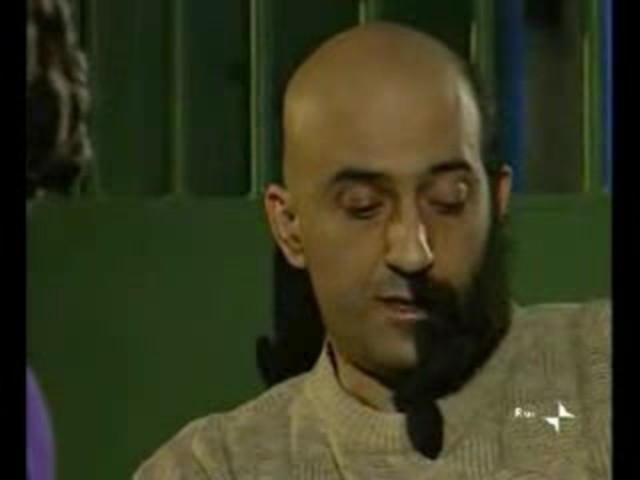
In an interview with Franca Leosini for the Italian TV show Storie Maledette (“Cursed Stories”), in an episode titled “The Anorexic Collector” that aired on Rai 3 in 2001, he claimed he did it because he had no choice. Host Franca Leosini later said that, in all her years interviewing people convicted of murder, he was the only one who had made her lose her composure for a moment.
Monica didn’t want to come back to him so she could starve herself, he argued, and she left him no choice but to kill her. That, at least, is his version.
The killer doesn’t consider himself morally guilty at all, and believes Monica lives on inside him.
First Love, the film
Mariolini’s book inspired Matteo Garrone’s film Primo amore (“First Love”), released in 2004 and shown in competition at the Berlin Film Festival, where it won a Silver Bear for its score. In the film, a goldsmith from Vicenza played by Vitaliano Trevisan forces his girlfriend to waste away to skin and bones.
Over the years the case has also been covered on Italian TV channels Rai 3, La7 and Nove, and in many true crime podcasts.
What happened to Marco Mariolini?
Mariolini served his sentence in prisons in Verbania, Bergamo and Pavia. In 2020 he got 45 days off his sentence because of the inhumane conditions he had been held in, and he finished serving his time in summer 2021.
He didn’t walk free, though. A supervisory court found him still socially dangerous and ordered him held under a security measure in a psychiatric facility in Turin, where he still is today, aged 67. The measure is reviewed periodically. According to his lawyer, he works as a librarian, keeps in touch with his children and isn’t in a hurry to leave, partly because he has no home or job to go to.
Today Monica’s story is often remembered as a femicide foretold: a woman who did everything she could to protect herself, who went to the authorities, who agreed to one last meeting only in broad daylight and in public, and whom nobody managed to save.
🦋 Emadion lives through its readers. If this story kept you up at night, buy me a coffee: it helps me bring you the next nightmare.
☕ Support Emadion on Ko-fiSources
- Murder of Monica Calò, Wikipedia
- Fanpage, La storia di Marco Mariolini, il “cacciatore di anoressiche” (Italian)
- Il Giorno, on Mariolini’s current status, July 28, 2026 (Italian)
- QN, Il cacciatore di anoressiche libero in anticipo (Italian)
- Corriere Torino, Il delitto annunciato in un libro, January 29, 2022 (Italian)
- Diritto.it, Il cacciatore di anoressiche, una trilogia giudiziaria italiana (Italian)
- Sorrisi, interview with Franca Leosini, March 2018 (Italian)
- La Stampa, Uccisa con ventidue coltellate, July 17, 1998 (Italian)
- Marco Mariolini, Il cacciatore di anoressiche. La perversione, un buco nero nella psichiatria, Gruppo Edicom, 1997