 Posted by
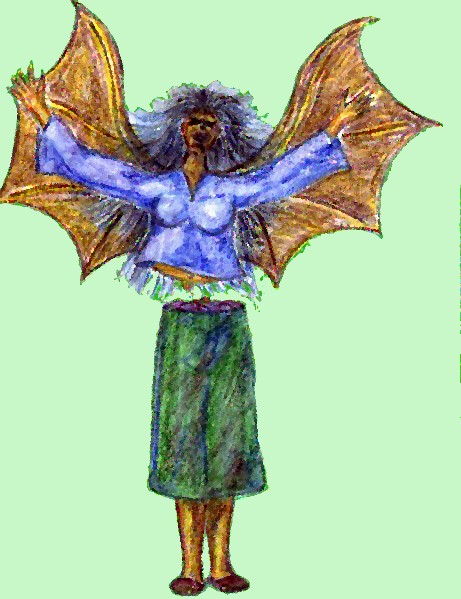
By day she is a woman like any other, often beautiful, kind to her neighbors. But when the sun sets she withdraws to a hidden spot, rubs on an ointment, and her body splits in two at the waist. Her legs stay there, standing, motionless. The upper half spreads huge bat wings and rises into the night. In the Visayas islands of the Philippines, they call her the manananggal.
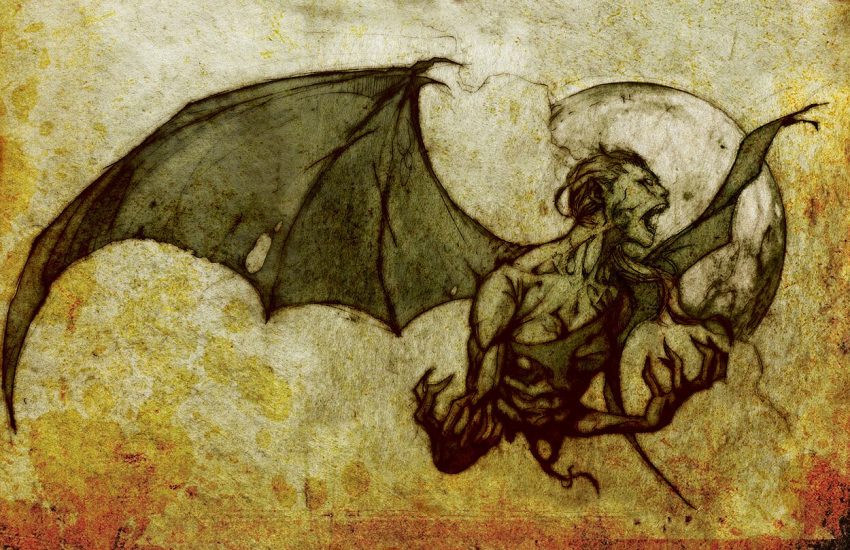
The manananggal is a creature of Philippine folklore, one of the many forms of aswang: a woman who at night detaches her upper body, flies on bat wings and feeds on blood. Her weak spot is the lower half, left behind on the ground.
She who separates
The name comes from the Filipino word tanggal, meaning “to remove” or “to separate”: the manananggal is literally “she who separates”. She is one of the most famous members of the great aswang family, the term Filipinos use for shapeshifting monsters, vampires, corpse-eaters and witches. Her legend is especially widespread in the western Visayan provinces, such as Capiz, Iloilo and Antique; Capiz in particular has been considered the homeland of the aswang for centuries.
A night hunter
The descriptions are gruesome. The torso flies trailing its entrails, with sharp fangs and an extremely long tongue, thin as a proboscis. According to tradition she lands on hut roofs and slips it through the gaps to reach the sleepers. Her favorite victims, in the stories, are expectant mothers: that is why village families took special care to protect pregnant women. A supposed companion, the tiktik, is a night bird whose call announces her arrival: the fainter it sounds, the closer the monster is.
How to defend yourself
Many of the weapons used against European vampires work against the manananggal: garlic hung at the windows, salt, holy water, light. She was also said to fear vinegar, spices, daggers and the dried tail of a stingray, used as a whip. But the surest way to defeat her is to find the lower half of the body left on the ground. Sprinkle the wound with salt, crushed garlic or ash: the torso will no longer be able to rejoin the legs and, at sunrise, she will die.
Real fear
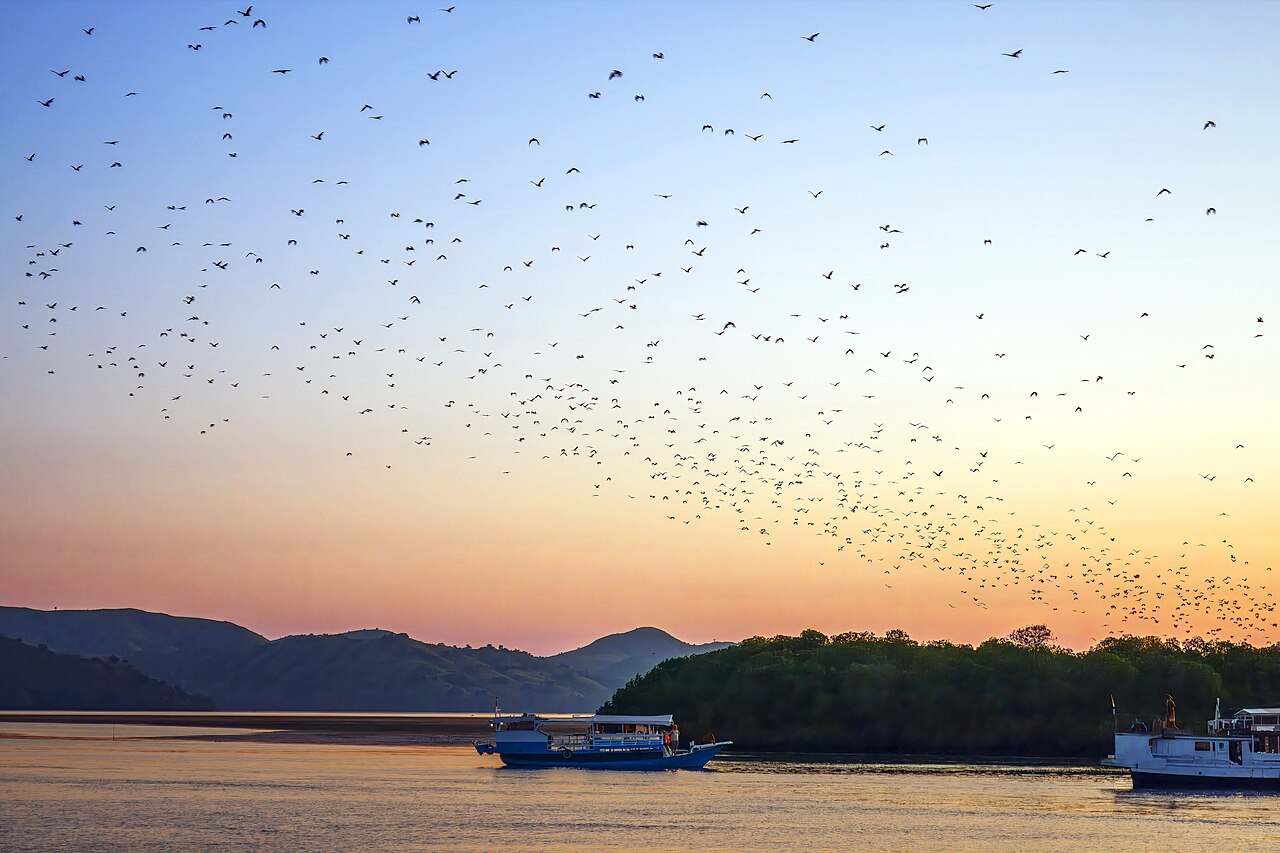
Scholars think the bat wings were added or emphasized during the Spanish colonial era, when missionaries presented ancient local spiritual figures as demons. The first descriptions of aswang already appear in late 16th-century chronicles. But the fear never fully disappeared: as late as the 20th century, rumors of aswang and manananggal caused panic in villages, and during the Huk rebellion in the 1950s the Philippine army and American advisers exploited that very fear in psychological warfare operations.
Today the manananggal is an icon of Filipino horror, starring in films, comics and TV series. But on Capiz nights, they say, some people still leave a little salt on the doorstep. Just in case.
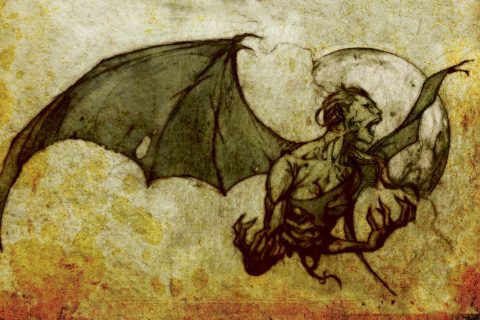
Featured image: illustration of a manananggal, Gian Bernal, CC0, via Wikimedia Commons.
🦋 Emadion lives through its readers. If this story kept you up at night, buy me a coffee: it helps me bring you the next nightmare.
☕ Support Emadion on Ko-fi