 Posted by
In many Greek villages, even today, some people never open the door at the first knock. They wait for the second. It is an old habit born of a specific fear: according to tradition, at night a dead man may come back to knock on houses, and whoever opens to him is doomed to die within a few days. That dead man has a name: vrykolakas.
The vrykolakas is the revenant of Greek folklore, the Hellenic equivalent of the Slavic vampire. In 1701 the French botanist Joseph Pitton de Tournefort witnessed on the island of Mykonos the exhumation and burning of a supposed vrykolakas, leaving a famous, ironic account of it.
A name from the north
The word vrykolakas comes from the Bulgarian vǎrkolak, originally linked to the werewolf. In Greece, however, the term came to mean a restless corpse, and by the eighteenth century, during the great “vampire controversy” that stirred Europe, the vrykolakas was identified with the Slavic vampire. Today, when vampire films are translated into Greek, “vampire” is rendered precisely as vrykolakas.
According to popular belief, one became a vrykolakas through an impious life, excommunication or burial in unconsecrated ground. To prevent it, a wax cross and a potsherd inscribed “Jesus Christ conquers” might be placed on the body. The vrykolakas, the tales said, did not so much suck blood as devour flesh, had a taste for livers and could crush sleepers by sitting on their chests. It rested in its grave only on Saturdays: which is why that was the day to deal with it.

Santorini, island of the restless dead
The first Western accounts of the vrykolakas date from the mid-seventeenth century. Leo Allatius, the Greek librarian of the Vatican Library, wrote about it in 1645; Father François Richard, in his 1657 account of the island of Santorini, reported numerous cases, tending to give them credence. Santorini thus became one of the places most often cited in European literature on the returning dead.
The vampire of Mykonos
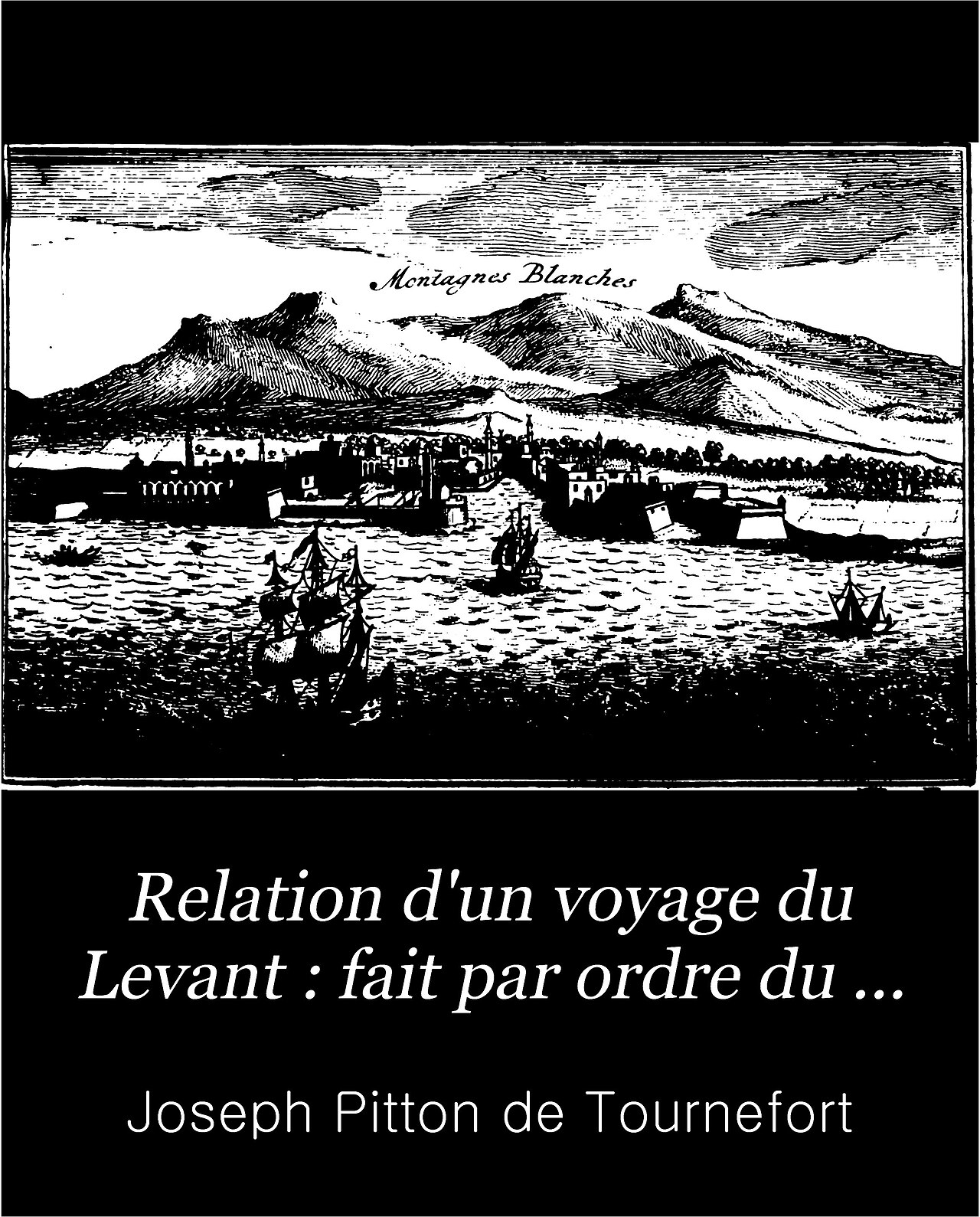
The most famous story, however, is set on Mykonos. Between 1700 and 1702 the botanist Joseph Pitton de Tournefort travelled through the Levant on behalf of the King of France, and in his journal, published in 1718, described what he saw on the island. A man had died and, soon after, people began to say he came back at night: he beat people, broke doors, windows and roofs, tore clothes and, worst of all, emptied bottles and vessels. “’Twas the most thirsty Devil!” Tournefort remarked.
The body was exhumed and a butcher was told to remove the heart. He began at the belly, groped around the entrails for a long time and only moved to the chest when someone suggested it. Frankincense was burned to cover the stench, which according to Tournefort only made things worse. Those present swore the corpse was fresh and warm; the botanist and his companions, holding their noses, tried to explain the phenomena rationally. No one listened. Indeed, after the heart was removed the disturbances increased.
In the end the body was burned, according to some versions after being moved to the islet of Agios Georgios, and peace returned to the island. Tournefort’s account is valuable because it shows, first-hand, the clash between popular belief and a scientist’s sceptical eye: to the people of Mykonos, it was the Frenchman who understood nothing.
Featured image: undefined, Bernard Gagnon, CC BY-SA 3.0, via Wikimedia Commons.
Gentle vrykolakas
Not all vrykolakas were monsters. The folklorist John Cuthbert Lawson collected stories of dead men who returned with almost kindly intentions: a shoemaker, or a farmhand who kept ploughing his former employer’s fields at night, doubling the work and nearly killing the oxen, until jealous neighbours exhumed and burned him. Many stories, after all, offer no remedy at all: the dead man returns, and that is that.
Today few Greeks truly believe in vrykolakas, but the legend lives on in old people’s tales, in literature and in that habit of waiting for the second knock before opening the door. A small gesture that, after centuries, still keeps the dead at bay.
🦋 Emadion lives through its readers. If this story kept you up at night, buy me a coffee: it helps me bring you the next nightmare.
☕ Support Emadion on Ko-fi