
 Posted by
In November 1922 Howard Carter found the intact tomb of Tutankhamun. A few months later Lord Carnarvon, the man who had paid for the excavation, died. The newspapers immediately spoke of the pharaoh’s curse, and for years every death even vaguely connected to the tomb was added to the list. But the numbers tell a different story.
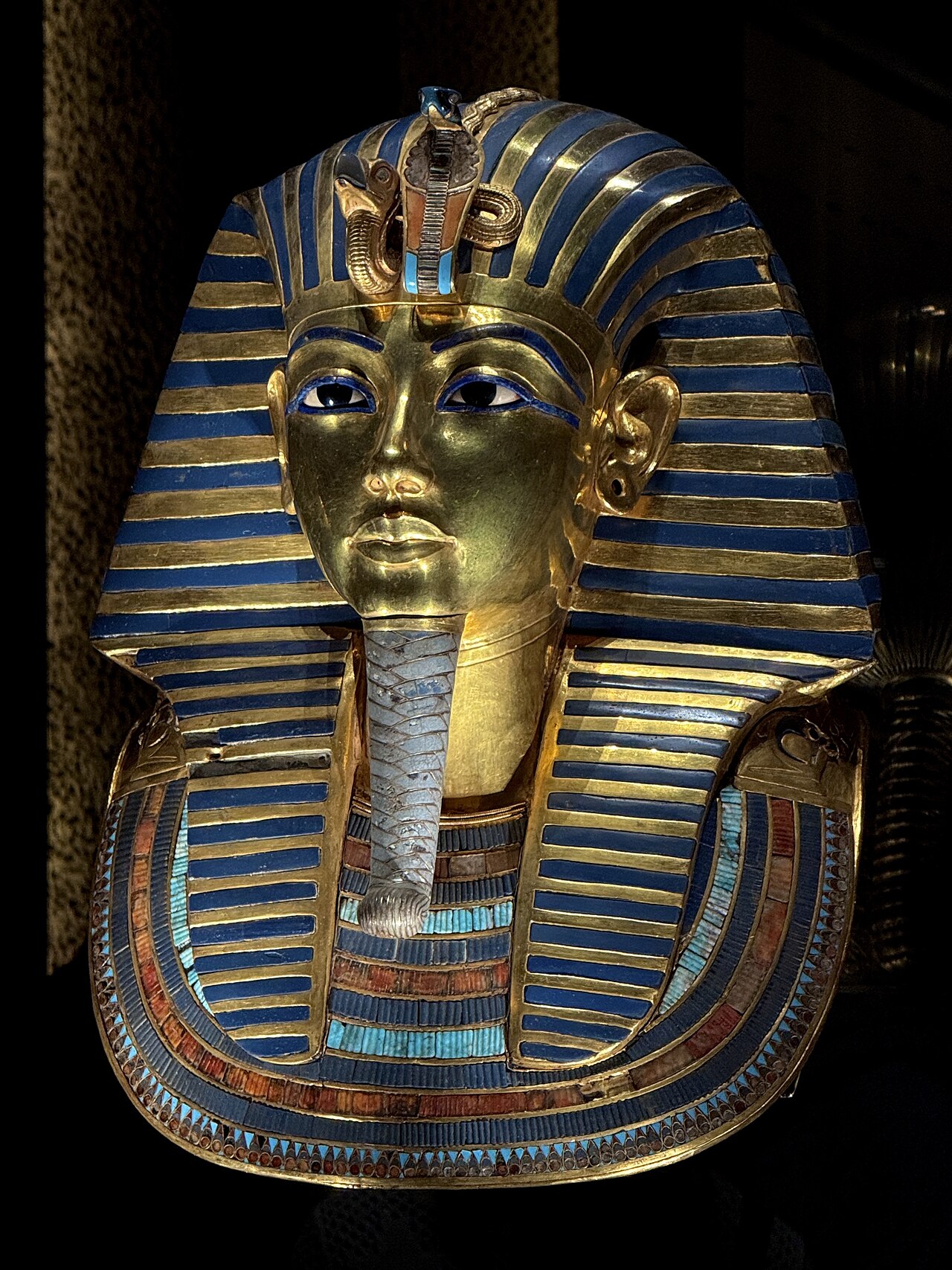
For almost fifteen years the English archaeologist Howard Carter had searched the Valley of the Kings for a tomb many thought was a fantasy: that of Tutankhamun, a young and minor pharaoh who died around 1323 BC. His backer was an aristocrat with a passion for antiquities, George Herbert, 5th Earl of Carnarvon. By 1922 Carnarvon was tired of spending money and gave Carter one last season.
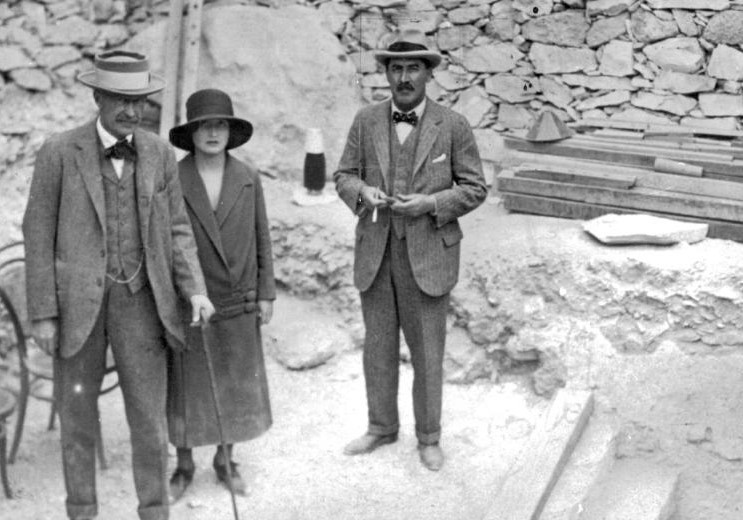
On 4 November the workers found a step cut into the rock. Then a staircase, then a sealed door. Carter cabled Carnarvon, who came from England with his daughter, Lady Evelyn. On 26 November Carter made a small hole in the second door and looked inside by candlelight. When Carnarvon asked whether he could see anything, he gave the answer that became famous: “Yes, wonderful things.”
Carnarvon’s death
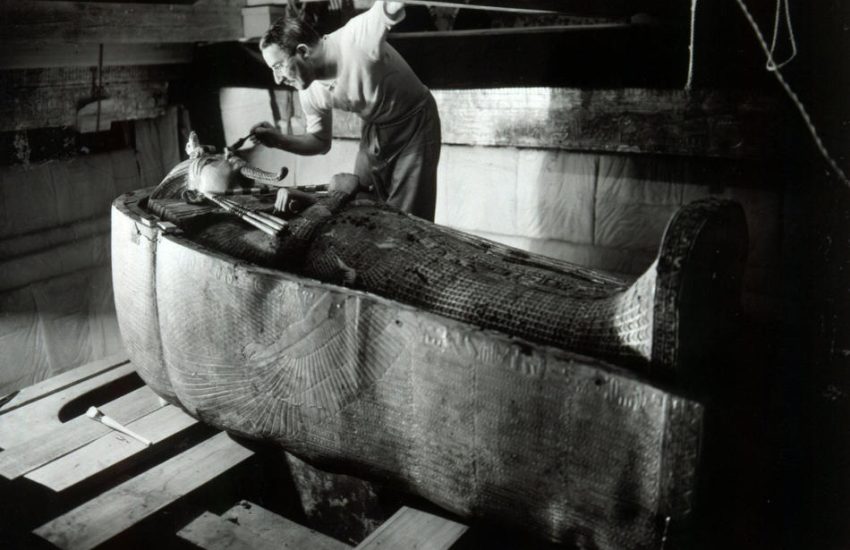
The tomb was almost untouched, full of gold, furniture, chariots and statues. The burial chamber was officially opened on 17 February 1923, in front of a small group of guests. The whole world was following the dig, also because Carnarvon had sold the exclusive to The Times of London, leaving every other newspaper empty-handed.
A few weeks later, Carnarvon nicked a mosquito bite on his cheek while shaving. The wound became infected, fever followed, then pneumonia. He died in Cairo on 5 April 1923, aged 56. His health had been fragile for years, after a serious car accident.
The newspapers left without news found their story. It was said that at the moment of his death all the lights in Cairo went out, and that in England his little dog howled and died at the same instant. It was said that a cobra, symbol of the pharaohs, had eaten Carter’s canary. And people started talking about an inscription found in the tomb: “Death shall come on swift wings to him who disturbs the peace of the king.”
That inscription never existed. It isn’t in the tomb, it isn’t in Carter’s diaries, it isn’t in any inventory. The newspapers made it up.
An ever-growing list
Famous people helped feed the legend too. Shortly before Carnarvon’s death, the novelist Marie Corelli wrote to the papers that anyone entering a sealed tomb risked a dire punishment. Arthur Conan Doyle, the creator of Sherlock Holmes and a keen spiritualist, suggested that Carnarvon had been killed by spirits placed by the priests to guard the tomb.
From then on, every death of anyone who had visited the tomb, touched an artefact, or simply known Carter was blamed on the curse. It didn’t matter how much time had passed or what they had died of. The idea of the vengeful mummy already existed, anyway: 19th-century literature was full of it, and even Louisa May Alcott, the author of Little Women, had written a story called Lost in a Pyramid; or, The Mummy’s Curse.
What the numbers say
The problem with the curse is that it didn’t strike the right people. Howard Carter, who should have paid more than anyone, spent a decade working in the tomb and died in 1939, aged 64, of illness. Lady Evelyn, who entered the tomb with him and her father, lived until 1980. The chemist Alfred Lucas and the anatomist Douglas Derry, who examined the mummy, lived for decades more.
In 2002 the Australian epidemiologist Mark Nelson published in the British Medical Journal a very serious study on a very unserious question. Using Carter’s diaries, he identified the 44 Westerners in Egypt during the excavation: 25 of them had been present at key moments, such as the opening of the burial chamber, the sarcophagus or the mummy. He compared how long they lived with the others. Result: no significant difference. The men “exposed” to the curse died at an average age of 70.
Over the years there has also been talk of moulds and bacteria sealed in the tomb for millennia, which might have made visitors ill. It’s an intriguing idea, but there is no evidence that they played any part in the death of Carnarvon, who died of a very common infection before antibiotics existed.
That’s exactly why I love this story: it’s the perfect example of how a legend is born. A real death, a newspaper exclusive, a public hungry for mystery. Imagination does the rest.
On Emadion you can also read 7 strange uses of mummies you did not know about.
🦋 Emadion lives through its readers. If this story kept you up at night, buy me a coffee: it helps me bring you the next nightmare.
☕ Support Emadion on Ko-fiSources
- Wikipedia, Curse of the pharaohs
- Mark R. Nelson, The mummy’s curse: historical cohort study, BMJ (2002)
- Science News, Old legend dies hard
- JSTOR Daily, Was It Really a Mummy’s Curse?
- Skeptoid, King Tut’s Curse!
Featured image: Photo Harry Burton, public domain, via Wikimedia Commons