
 Posted by
On the night between January 5 and 6, all over Italy, millions of children hang up a stocking and go to bed hoping for sweets and dreading coal. Bringing them will be an old woman with a hooked nose, a patched shawl and worn-out shoes, flying over the rooftops on a broomstick. The Befana looks like a witch, and in part she is one. But her story is much older, and much stranger, than you might think.
The Befana is the old woman who on the night of Epiphany brings sweets to good children and coal to naughty ones. Her name comes from “Epiphany”, but her figure is rooted in pagan winter rites, later intertwined with the Christian legend of the Magi.
A mangled name
Befana is a popular corruption of Epifania, Epiphany, from the Greek epiphaneia, “manifestation”: the feast commemorating the Magi’s visit to the infant Jesus. In everyday speech the word wore down to “Pifania”, “Befania”, “Befana”, and in the end the feast turned into a person. But that person existed, in some form, even before Christianity.
The ladies who flew over the fields
Many scholars link the Befana to the beliefs of the Romans and, before them, of farming peoples. During the twelve nights after the winter solstice, female figures were thought to fly over sown fields to make them fertile: they were associated with Diana, goddess of the hunt and vegetation, or minor deities such as Satia, satiety, and Abundia, abundance. At the start of the year, the Romans also exchanged good-luck gifts in honor of Strenia, the goddess who gave her name to the Italian word strenna, a gift. The old woman who arrives at the end of the holidays would thus be the old year, worn out, ready to make way for the new.

The woman who did not follow the Magi
Christianity, as often happened, did not erase the old woman but gave her a new story. It is said that the Magi, on their way to Bethlehem, stopped to ask an old woman for directions and invited her to come with them to bring gifts to the Child. She refused, because she had too much to do. Then she repented, filled a sack with sweets and set out to find them, but never did. Since then she has flown from house to house, leaving a gift for every child in the hope that one of them is Jesus.
Burning the old woman
The oldest and most unsettling side of the Befana survives in bonfires. In many parts of northeastern Italy, like the panevin around Treviso or the Friulian pignarûl, big fires are lit on the evening of January 5, and the direction of the sparks is read as an omen for the harvest. Elsewhere, as in Bologna with the New Year’s “Vecchione”, effigies representing the past year are burned. At some bonfires, even today, what goes into the flames is a puppet of the Befana herself: a purification rite that anthropologists link to the end of the old cycle and the rebirth of nature.

The Befana’s house
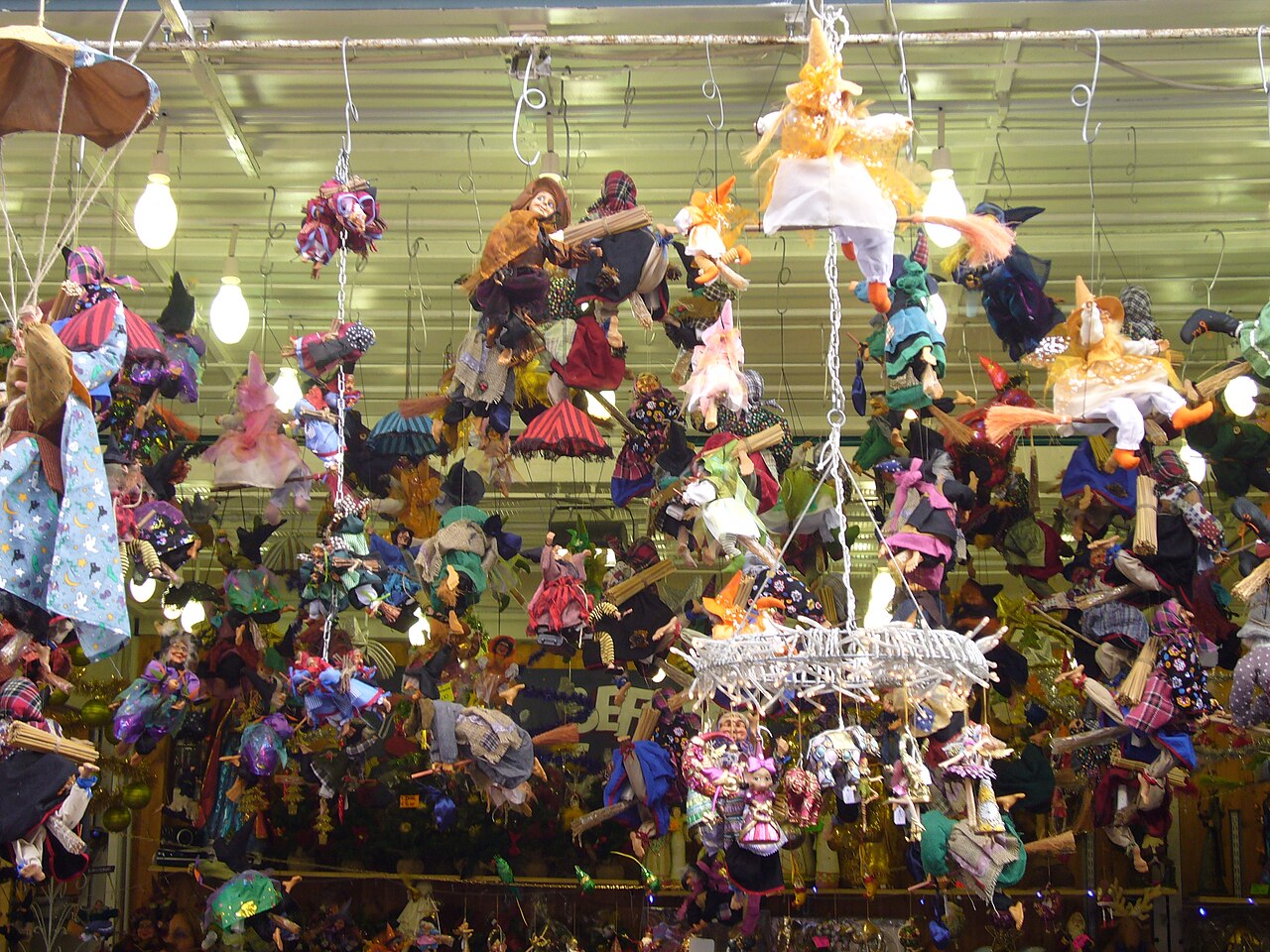
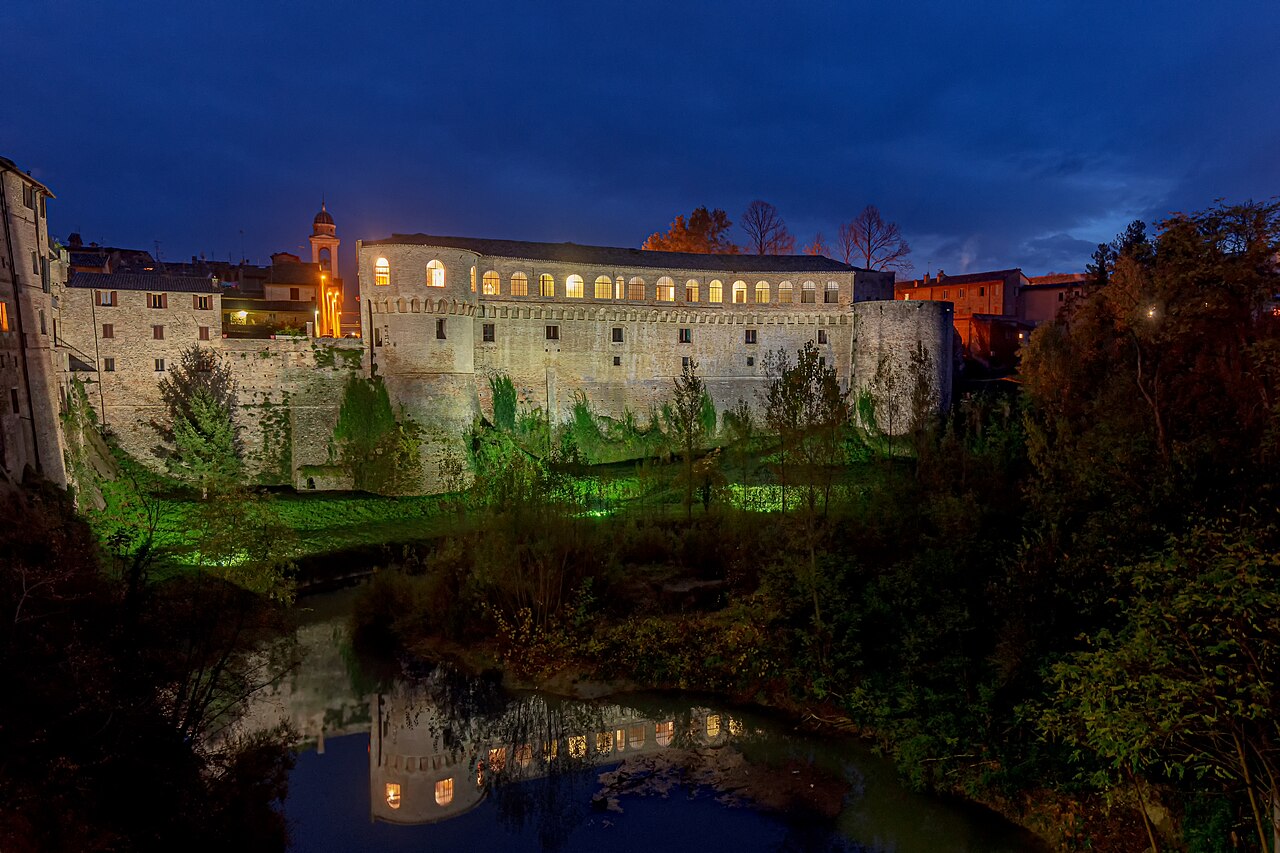
Today the old woman even has an address. Urbania, in the Marche region, considers itself her official residence: every year in early January it hosts the National Befana Festival, which draws tens of thousands of visitors, and since 2016 it has had a House of the Befana open all year round. In Rome the Piazza Navona fair carries on a centuries-old tradition. And the coal, fortunately, is now almost always made of sugar.
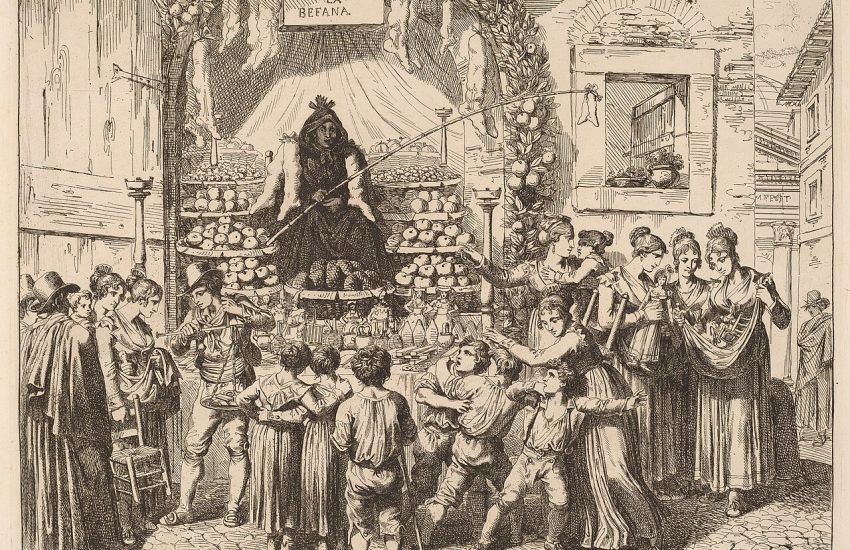
Featured image: La Befana, etching by Bartolomeo Pinelli, 1821, Bartolomeo Pinelli, CC0, via Wikimedia Commons.

🦋 Emadion lives through its readers. If this story kept you up at night, buy me a coffee: it helps me bring you the next nightmare.
☕ Support Emadion on Ko-fi