 Posted by
On 20 May 1999, while skiing near Narvik, Norway, Swedish trainee doctor Anna Bågenholm, 29, fell through the ice of a stream and stayed trapped for 80 minutes. Her heart stopped and her body temperature dropped to 13.7°C, but after nine hours of resuscitation in Tromsø she came back to life and made an almost full recovery. She now works as a radiologist.
The story of Anna Bågenholm, a Swedish radiologist, is a tale of extraordinary survival and a clinical event that reshaped resuscitation protocols around the world. In 1999 her body temperature fell to 13.7°C, one of the lowest body temperatures ever recorded in a person who survived accidental hypothermia.
The accident
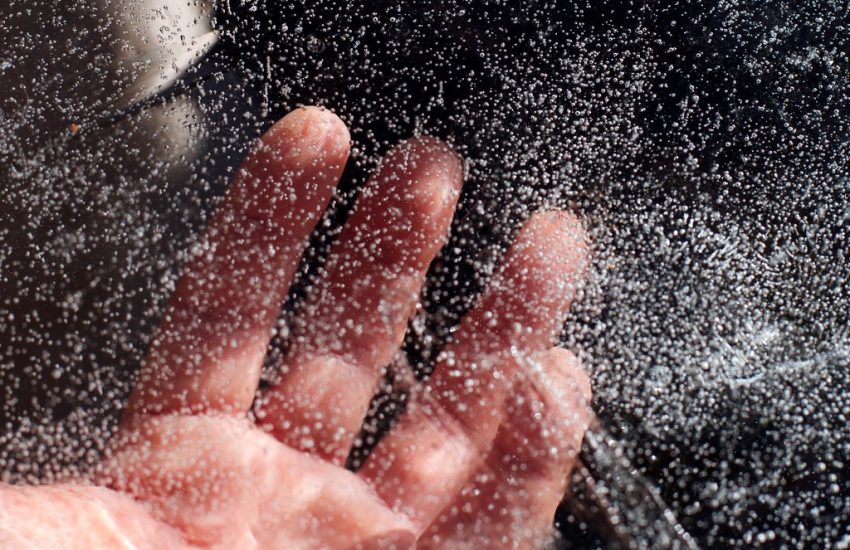
On 20 May 1999 Anna Bågenholm, then a 29-year-old trainee in orthopaedic surgery at Narvik hospital, was out skiing with two colleagues, Marie Falkenberg and Torvind Næsheim, near Narvik in northern Norway. The outing took a dramatic turn when Anna fell through a thin sheet of ice into a freezing stream. She was trapped under a layer of ice about 20 centimetres thick. Her friends immediately tried to free her, but could not break the compact ice or overcome the current, and raised the alarm.
Meanwhile Anna managed to find a tiny air pocket under the surface, which let her breathe for about 40 minutes. During that crucial time the water, close to freezing, sent her into deep hypothermia. After those 40 minutes her body gave in to the cold: she lost consciousness and her heart stopped. Another 40 minutes passed before rescuers on the scene managed to cut through the ice and free her. When she was pulled out, Anna had been trapped for a total of 80 minutes and was clinically dead from extreme hypothermia.
The clinical battle in Tromsø
When Anna was pulled out of the water she was clinically dead: her pupils were dilated, she was not breathing and, despite the cardiopulmonary resuscitation (CPR) started straight away by her friends and the helicopter rescue team, her blood was not circulating. There was no detectable heart activity. Her core body temperature had dropped to an incredible 13.7°C.
She was immediately flown by helicopter to the University Hospital of North Norway in Tromsø, the only facility with the resources for such an extreme intervention. There a huge specialist team of more than a hundred doctors and nurses worked in shifts on a resuscitation that lasted nine hours. The guiding principle of the Tromsø team, well known in emergency medicine, was crucial: “No one is dead until they’re warm and dead”. The team knew that hypothermia, though deadly, had also acted as a biological lifesaver: the extremely low body temperature had drastically slowed cell metabolism, reducing the oxygen needs of the brain and vital organs. This state of “suspension” had protected her brain from irreversible damage despite the prolonged cardiac arrest.
The life-saving technique

To bring her back to life, doctors used cardiopulmonary bypass (also known as ECMO support). This complex procedure allowed Anna’s blood to be taken out, oxygenated and slowly warmed in a controlled way, then returned to her body. Gradual rewarming is essential to avoid reperfusion damage to the tissues. Only when her body temperature reached 30°C, after almost nine hours of relentless effort, did Anna’s heart finally start beating on its own.
The recovery
Anna woke up ten days after the accident, paralysed from the neck down, and spent two months in intensive care. Despite the severity of the event, she woke with her brain intact. She suffered peripheral nerve damage (neuropathy) to her hands and feet that required long rehabilitation, but she made an almost complete recovery.
The Bågenholm case has been widely studied and published in leading medical journals such as The Lancet. Her 13.7°C has become a scientific reference point, and her experience strengthened resuscitation protocols for hypothermia victims, highlighting the need for slow, controlled rewarming. Anna Bågenholm completed her training and went back to work as a radiologist, a powerful symbol of human resilience and the triumph of modern medicine.
🦋 Emadion lives through its readers. If this story kept you up at night, buy me a coffee: it helps me bring you the next nightmare.
☕ Support Emadion on Ko-fi