 Posted by
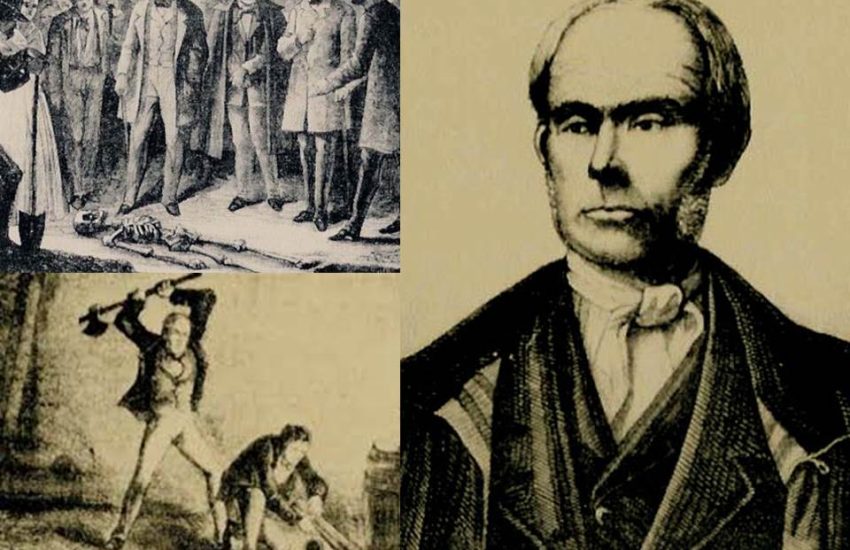
Antonio Boggia (Urio, 1799 – Milan, 1862), the “Monster of Stretta Bagnera”, killed at least four people between 1849 and 1859 in order to swindle them, hiding their bodies in his cellar in Via Bagnera. He was caught thanks to a complaint by the son of one of his victims and hanged on 8 April 1862. His head was studied by Cesare Lombroso.
Antonio Boggia is also known as “the Monster of Milan” or “the Monster of Stretta Bagnera” and is considered Italy’s first serial killer.
Antonio Boggia
Antonio was born in 1799 in Urio, in the province of Como. As a young man he was already reported for fraud, and in 1824 he fled to the Kingdom of Sardinia. There too he carried on a life of crime and was arrested for brawling and attempted murder. Taking advantage of a riot, however, he managed to escape and went to Milan, where he found work as a stoker.
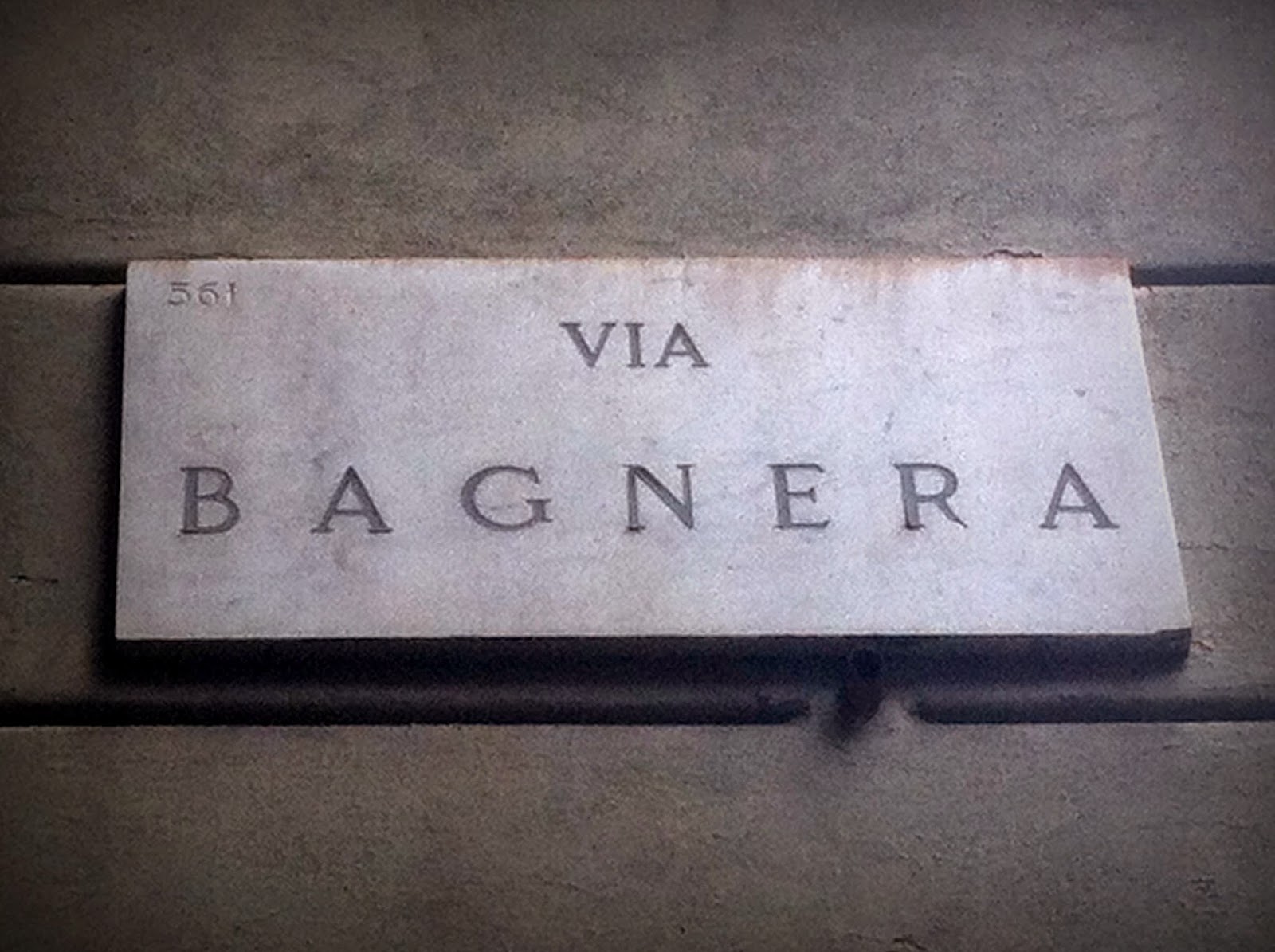
In 1831 he married and moved with his wife into a building at Via Nerino 2, owned by Ester Maria Perrocchio. He committed his first murder in April 1849, robbing and killing Angelo Ribbone and then burying him in his cellar in Stretta Bagnera (today Via Bagnera).
In 1860, thanks to a complaint from the son of one of his victims, an investigation into Antonio Boggia began that would lead to his arrest and death sentence.
Giovanni Murier’s complaint
On 26 February 1860 Giovanni Murier, son of Ester Perrocchio, reported his mother missing. In his statement he said that the year before he had gone to visit his mother at the building in Via Nerino, which she owned, without finding her. The Trasselli couple, caretakers of the building, told him she had gone on holiday to Lake Como.
Mother and son were not on good terms, so Giovanni did not ask too many questions and decided to come back a few weeks later. When for the second time he did not find his mother at home, Giovanni demanded more detailed explanations from the caretakers, who seemed unwilling to talk. Still, in the course of the conversation the name of Antonio Boggia came up, a master builder who had recently become a close friend of Ester’s.
Giovanni tracked Boggia down, and he showed him letters from his mother in which she appointed him manager of the building in her absence. Giovanni, used to his mother’s eccentricities, decided not to look into it further. He had already filed a complaint in the past and Boggia had been summoned by the police, but after showing Ester’s letters he had been released.
The notary’s report
Giovanni went on to say that one day Boggia had contacted him to tell him his mother had decided to settle permanently in Como. She had rented the whole building to a single tenant, but was leaving the flat she had lived in to her only son. Delighted by the good news, Giovanni went with Boggia to a notary to draw up the loan-for-use contract.
After the deed was signed, Boggia left, and the notary took the opportunity to speak to Giovanni. He told him that when Boggia and his mother had come to him to make Boggia manager of the building, he had refused to draw up the power of attorney. Ester had not seemed lucid to him and he feared Boggia was swindling her, so he had thrown him out of his office. He had then alerted the police, who closed the case when they found out the woman had gone to live in Como, and was therefore outside Milan’s jurisdiction.
Following this detailed complaint, a file was opened on Antonio Boggia.
The investigation
The police began looking into Boggia’s past and found a complaint dated 3 April 1851. It had been filed by a Mr Comi, an accountant whom Boggia had invited to his storeroom to check some accounts. While he was distracted, Boggia struck him on the head with an axe. The man managed to escape and report him. After the attack Boggia was sentenced to 3 months in the Senavra asylum.
Questioned about Ester’s disappearance, Boggia pretended not to remember anything, and the police ordered a search of his house and storeroom. Ester’s body was found, without its head and legs, walled up under the stairs in Via Bagnera.
Taken to the place where it was found, Boggia confessed. He had killed Ester at his home, then gone with two friends and the mother of one of them to a notary. They passed the woman off as Ester, saying she wanted Boggia to manage the building in Via Nerino. The notary, smelling a rat, refused to draw up the power of attorney. Boggia then went with another woman to another notary, who finally signed it.
The other murders
Continuing the search of Boggia’s house, the police found two more powers of attorney, one issued by Serafino Ribbone and one by Pietro Meazza. Ribbone’s, dated 1848 and of course forged, instructed Boggia to collect some money on his behalf. In reality this victim too had been lured to the storeroom and killed. Meazza’s instructed Boggia to manage his shop. After killing Meazza, Boggia had sold the shop.
The disappearance of the merchant Marchesotti, who had vanished on 15 January 1850, was also linked to Boggia. He too had been swindled and then killed. The bodies of all three victims were found buried in the killer’s cellar.
Arrest and sentence
Boggia was arrested and tried to pass himself off as insane, hoping to be sent back to the asylum. His plan did not work and he was sentenced to death. He was hanged on 8 April 1862, not far from the ramparts of Porta Ludovica. Since there was no executioner in Milan at the time, two were brought in, one from Turin and one from Parma. Boggia was the last civilian executed in Milan until the Second World War.
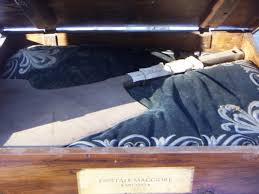
His decapitated body was buried in the Gentilino cemetery, while his head was given to the Anatomical Cabinet of the Ospedale Maggiore and then handed over to the father of criminology, Cesare Lombroso, who saw in it confirmation of his theories about the “born criminal”. In 1949 the head was taken to Musocco cemetery and later moved to the Natural History Museum in Florence, in its biomedical section.
One of the killer’s cleavers is kept at the Museum of Criminological Art in Olevano di Lomellina, in the province of Pavia. It is said that Boggia’s ghost still haunts Via Bagnera.
🦋 Emadion lives through its readers. If this story kept you up at night, buy me a coffee: it helps me bring you the next nightmare.
☕ Support Emadion on Ko-fi