 Posted by
Skull trepanation may be the oldest known surgical procedure: the first drilled skulls date back 7,000 to 10,000 years, and the practice arose independently all over the world. In the 20th century some people, such as Bart Huges in 1965 and Amanda Feilding in 1970, drilled their own skulls, convinced it would benefit them. It is an extremely dangerous practice with no scientific evidence behind it.
Medicine over the years has used many methods we today would call savage. Think, for example, of electroshock or lobotomy.
There is also another technique, used since the Paleolithic era and in every part of the world, that was said to help cure many ailments or illnesses: the trepanation of the skull.
If you think it’s one practice only used in the Middle Ages, read on: you’ll be surprised!
Origins of skull trepanation
Skull trepanation, although it may seem dangerous, has been used by mankind since ancient times.
The earliest traces date back 7,000 to 10,000 years, and it may be the oldest surgical procedure for which we have archaeological evidence. At a burial site in France dating to 6500 BC, 40 skulls out of 120 have trepanation holes, and more than 1,500 from the Neolithic alone have been found around the world, 5 to 10% of all skulls from that era.
Another surprising fact is that this practice was used in various parts of the world and among different civilizations that had no contact with each other.
This means that different civilizations have resorted to drilling skulls independently.
Why drilling the skull?
“Many skulls that present holes have been found in various parts of the world, but why has mankind felt the need to make holes in one’s head?”
As for the ancient civilization of which we have no written records, researchers can only speculate.
The most reliable theories are those who see the holes in the skull as a way to release the demons present in the patient, basically real examples of exorcisms.
In some areas of present-day Mexico, such as Oaxaca and the great Zapotec site of Monte Albán, skulls were found with more than one hole. This could mean that the holes had a religious significance or were an indication of a higher social status.
What was used for trepanation in ancient times?
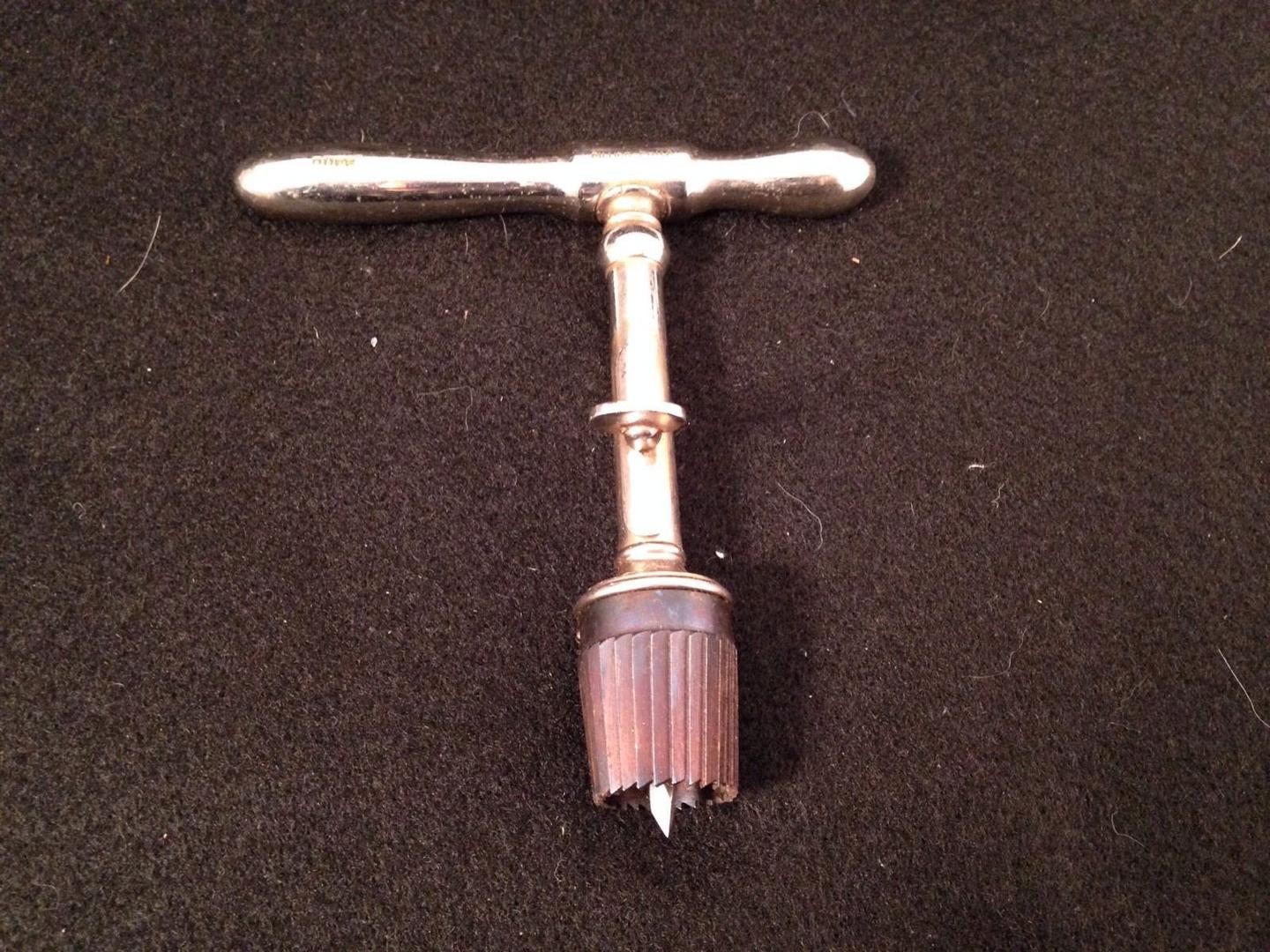
If perforated skulls that have been found date back as far as 10,000 years, how were the drillings done?
Hand-held tools were used, made from sharp stones such as obsidian or from bone. With the discovery of metals, bronze chisels were later used.
We know that the holes are artificial and not a result of trauma due to the shape of the hole but also because the skulls show signs of healing.
Trepanation in fact did not touch the brain and the patient’s wound would heal itself.
The Stone of Madness
From the fifteenth century medical practices start becoming better described and detailed, among them the trepanation of skulls.
There are many recordings and representations of this practice that was used to treat mental illness and epilepsy.
In particular, it was thought that there was something called “stone of madness” that had to be extracted from the patient’s skull before it completely destroyed the brain.
Trepanation today
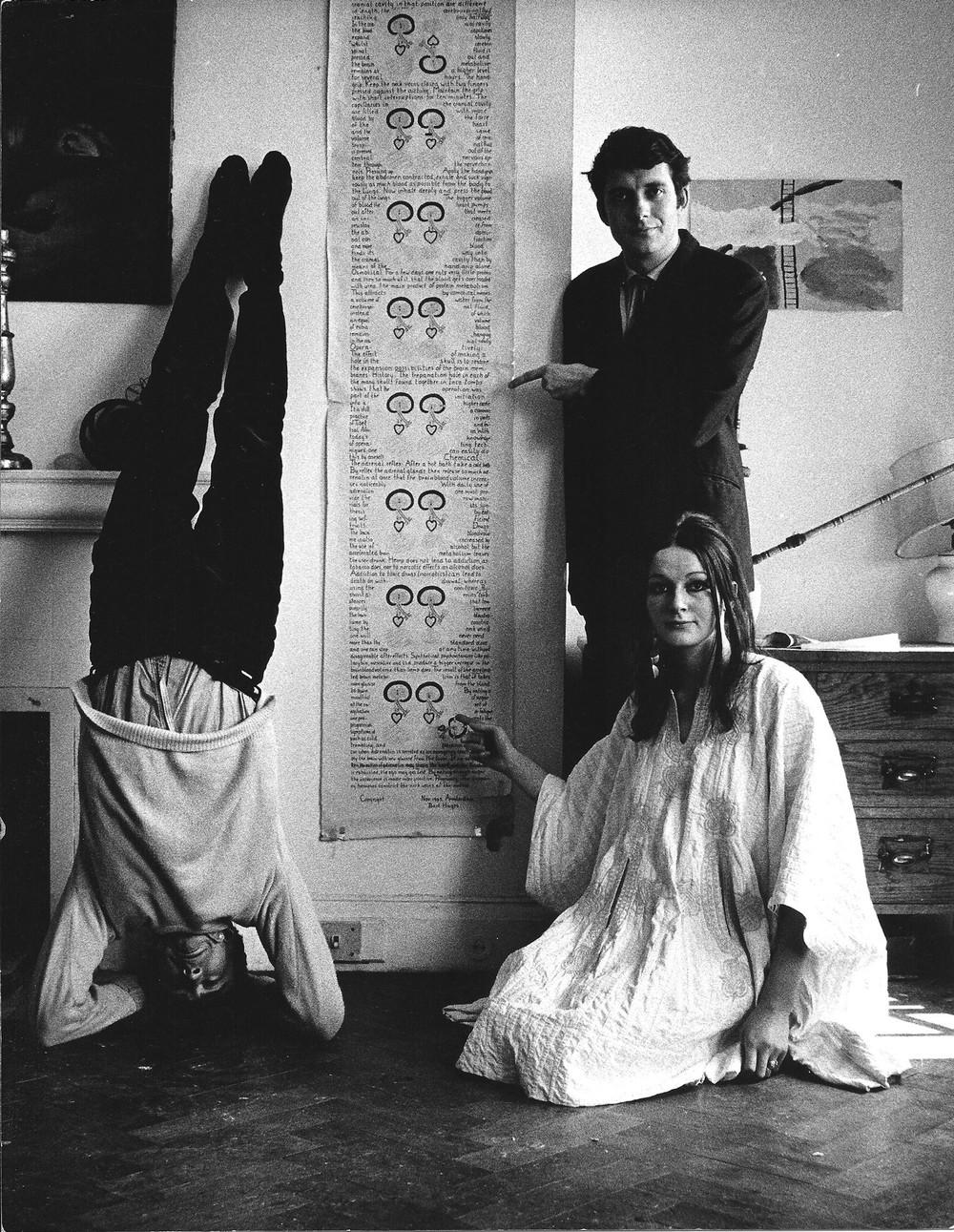
Even today holes in the skull can be drilled for medical purposes, luckily with modern and less dangerous methods and only in specific cases.
However there are those who miss the good old self-inflicted drillings and someone thought to find a remedy to the problem.
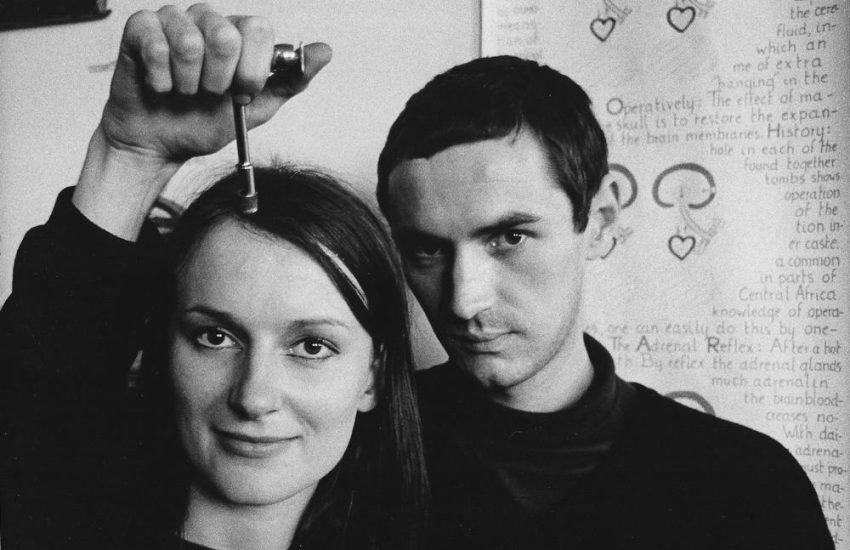
A Dutch librarian, Bart Huges, who had studied medicine in Amsterdam but was refused a degree, decided on 6 January 1965 to drill his own skull.
According to his theory, when mankind began to walk upright the brain lost blood, and a hole in the skull would let blood flow better, causing a permanent “high”. Huges died of heart disease in 2004, aged 70. He was not the only one. In 1970 an English woman, Amanda Feilding, decided to drill her skull after several doctors had refused to do so.
Amanda decided to open up a hole in her head to “make the blood flow better” and reap psychological benefits.
According to her the practice worked, and she even made a short art film about it, Heartbeat in the Brain. She later became a well-known drug policy reformer and in 1998 founded the Beckley Foundation, which funds scientific research into the effects of psychoactive substances on the brain. She died on 22 May 2025, aged 82.
It must be said clearly that self-trepanation is extremely dangerous: it can cause infections, bleeding and permanent brain damage, and there is no scientific evidence for the benefits claimed by Huges and Feilding.
🦋 Emadion lives through its readers. If this story kept you up at night, buy me a coffee: it helps me bring you the next nightmare.
☕ Support Emadion on Ko-fi