 Posted by
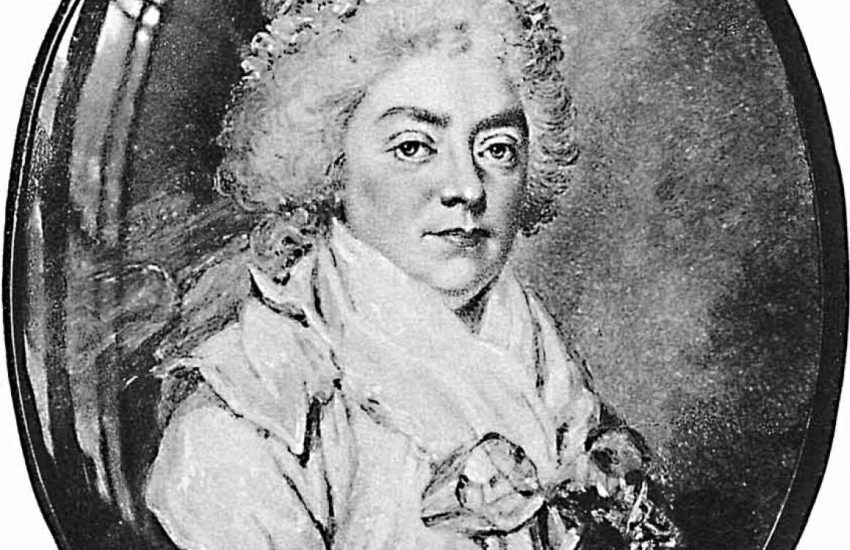
Darya Saltykova (1730-1801), a Russian noblewoman widowed in 1755, tortured and killed dozens of serfs on her estate near Moscow, mostly young women. Arrested in 1762 on Catherine II’s orders, after six years of investigation she was found guilty of 38 murders out of 138 suspicious deaths. Pilloried in 1768, she spent the rest of her life locked in a convent.
Darya Saltykova was a Russian noblewoman, famous for having tortured and killed many of her servants, in particular young women.
We could consider her Elizabeth Bathory’s Russian counterpart as she enjoyed torturing and killing young women. Her crimes were heinous and her end was terrible.
Darya Saltykova
Darya Nikolayevna Ivanova was born on 11 March 1730 into a rich and ancient noble family, one of five sisters. She married very young, we do not know at what age exactly, the nobleman Gleb Alexeyevich Saltykov, a member of the powerful Saltykov family.
They had two children, but in 1755, when she was 25, her husband died suddenly.
Darya inherited all of her husband’s property and became the richest widow in Moscow. She moved into the Troitskoe estate near Moscow, where she lived with her two sons and more than 600 servants.
The lover
One day she meets the young Nikolay Tyutchev and the two begin a relationship. Unfortunately for Darya, however, Nikolay meets a young woman and falls in love with her.
The two decide to get married in secret, but Darya finds it out and, full of anger, she orders the servants to kill the newlyweds.
The servants warn the couple so that they have time to run away from Moscow and Darya will never have her revenge.
During her marriage to Gleb, Darya was always a calm and very religious woman and she often made donations to the church.
After her lover’s betrayal, however, something clicks in her head and Darya changes forever.
The tortures and murders
After the betrayal Darya and after her ended revenge went wrong, she began to vent her anger on her servants.
She began to beat them when, according to her, they had not cleaned the palace well and discovered that she enjoyed hurting them.
She then started to beat them and getting stronger whipping them, especially blaming young maids and those who were about to get married.
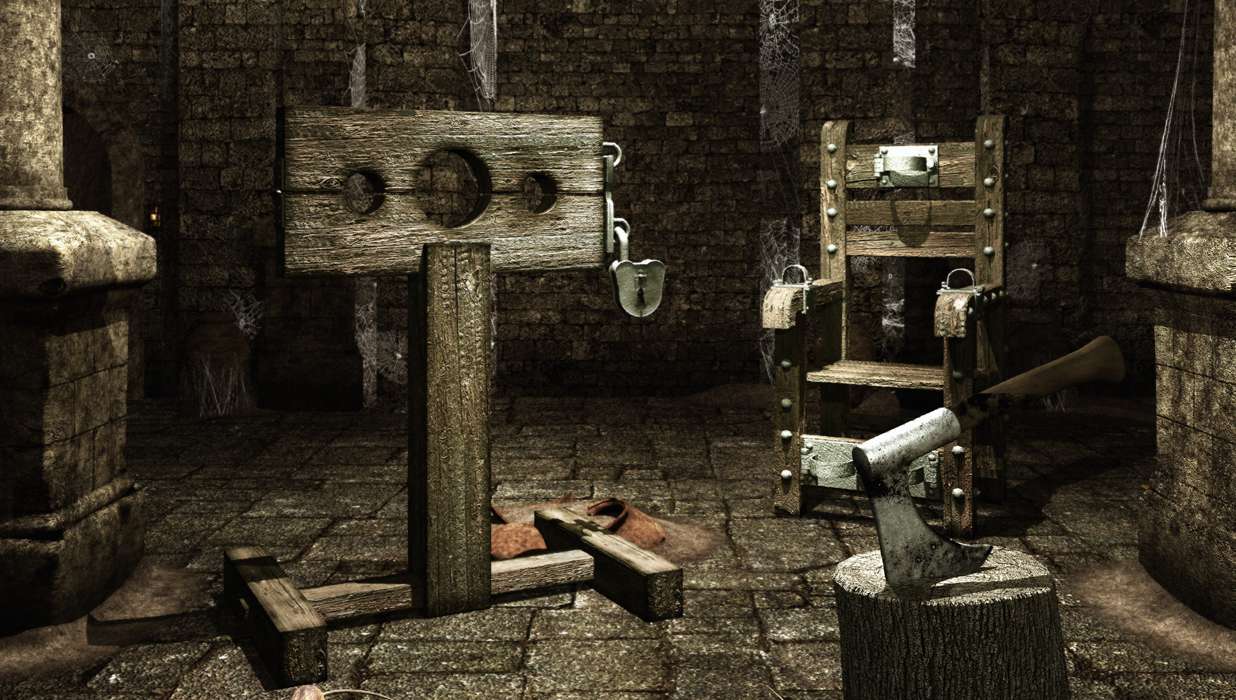
Then the tortures became crueler. The beatings were so hard to break their bones, and she also poured boiling water on them.
Other times she tore their ears using red-hot pliers or even, while they were completely undressed, she would lock them outside, making them freeze to death.
Her fury did not stop even in front of the children, and had no problems killing children or pregnant women.
Someone tried to report the sadistic Countess, but Darya was a very powerful woman, with a lot of connections, and the police were corrupt.
So, more often than not, those who ended up being arrested were those who dared to accuse Darya.
The arrest
In 1762, however, two servants, Sakhvely Martynov and Ermolay Ilyin, managed to escape from the building and from the city and went to St. Petersburg.
Ermolay had lost three wives, killed by Darya, and was determined to have her arrested.
The two denounced Darya to Empress Catherine II, who started an investigation.
Darya was arrested and held in prison for six years while investigations were ongoing. The surviving victims were too frightened to speak, but eventually the police managed to gather sufficient evidence.
Investigators count 138 suspicious deaths on the estate, most of them attributed to her, but Darya is found guilty of 38 murders.
They are serfs beaten and tortured to death. Catherine, however, does not know how to punish her: capital punishment had been abolished in Russia in 1754, and the new Empress needs the support of the nobility. In 1768 Darya is chained for an hour on a public platform in Moscow, with a sign around her neck reading “This woman has tortured and murdered”, while crowds come to look at her and mock her. Some of her accomplices are sentenced to public flogging and hard labour.
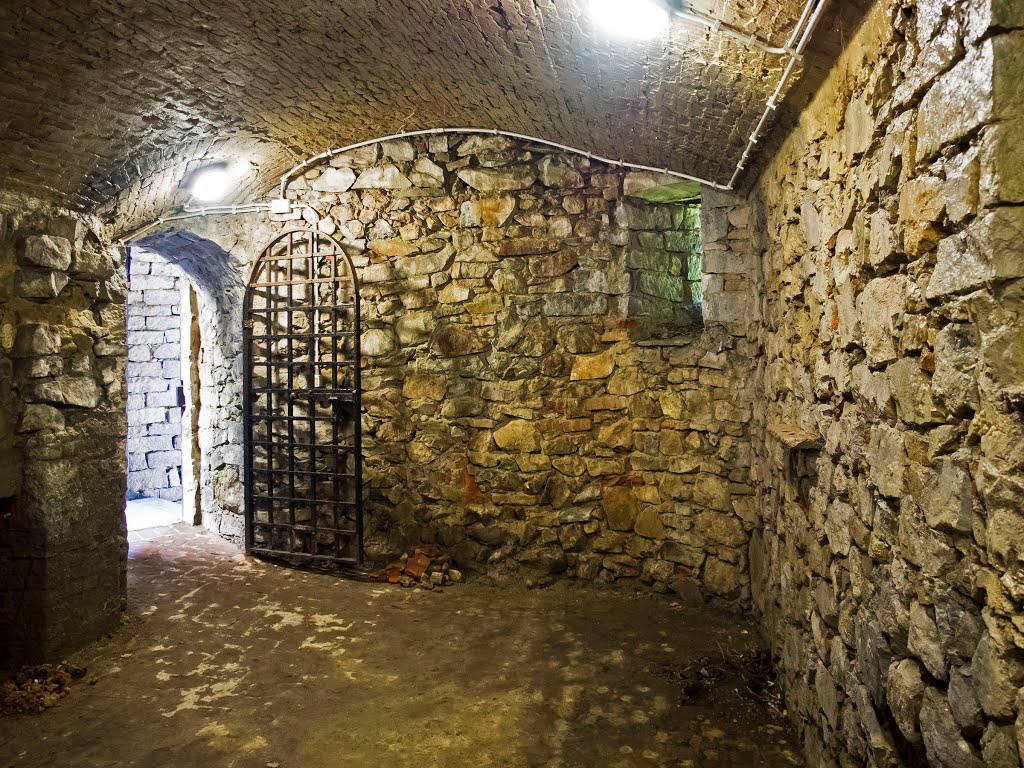
She is then sentenced to life imprisonment in the cellar of the Ivanovsky Convent in Moscow, where she spent 11 years in a windowless cell.
Every day a nun brought her food and a lighted candle, which extinguished immediately after Darya had finished eating, throwing her back into complete darkness.
After 11 years of captivity in the basement she was moved to a cell with a window, where she remained until her death on 9 December 1801.
She died at 71, after spending 39 of those years in prison.
She was buried next to her relatives in the cemetery of the Donskoy Monastery in Moscow.
🦋 Emadion lives through its readers. If this story kept you up at night, buy me a coffee: it helps me bring you the next nightmare.
☕ Support Emadion on Ko-fi