 Posted by
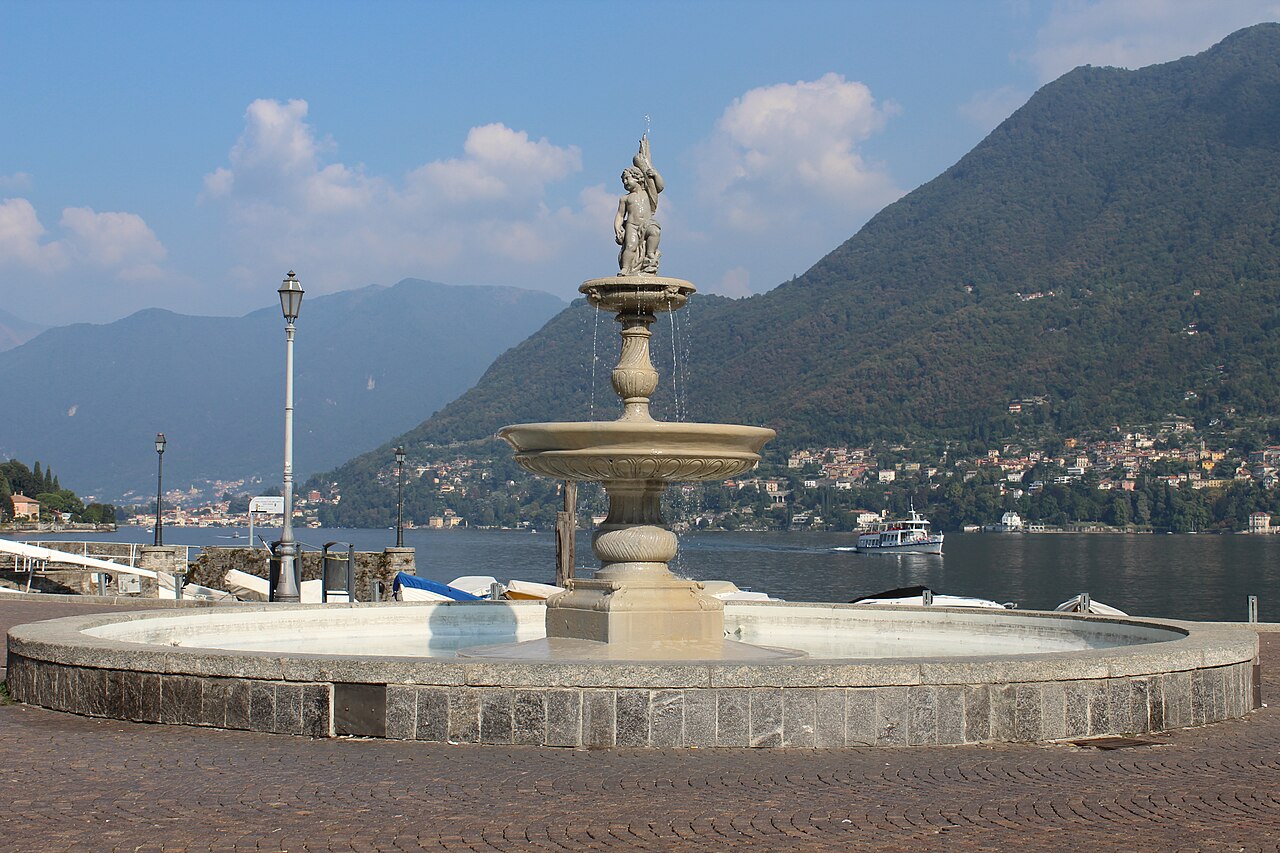
On the evening of 15 September 1948, during a fashion show at the Villa d’Este hotel in Cernobbio, on Lake Como, Countess Pia Bellentani shot her former lover, silk industrialist Carlo Sacchi, in front of hundreds of guests. The “Villa d’Este murder” became the most talked-about crime of post-war Italy, opening a window on a world of luxury, poetry and humiliation.
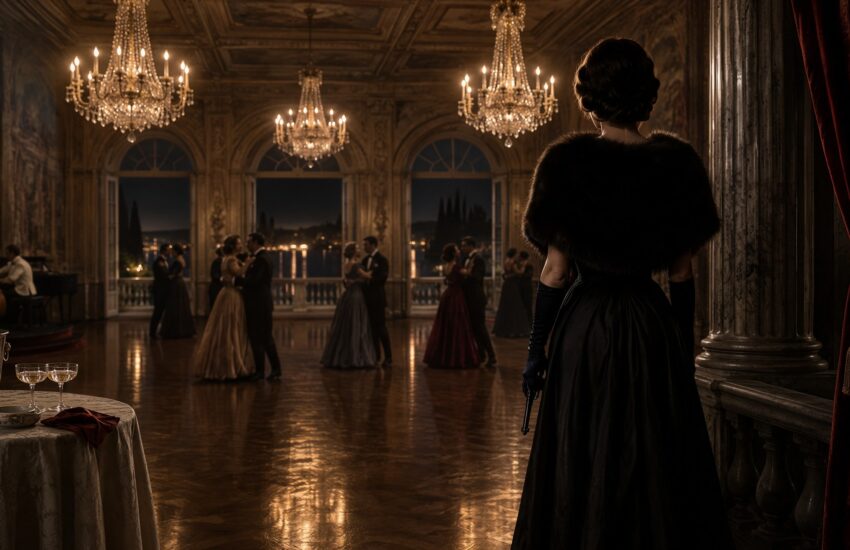
In September 1948 Italy was still climbing out of the rubble of war. But on Lake Como, at the Villa d’Este hotel in Cernobbio, hard times seemed very far away. That evening there was a party: the Milanese designer Biki was presenting her winter collection to the cream of Milan and Lombardy society. Evening gowns, jewels, champagne, an orchestra.
At the same table sat two couples: Count Bellentani and his wife Pia, and silk industrialist Carlo Sacchi with his wife Lilian. Not far away sat a young woman, Sacchi’s new lover.
The poet countess
Pia Caroselli came from a well-off family in Sulmona, in Abruzzo. She had married Count Bellentani young, a man much older than her, and lived with him in a villa on the lake at Carate Urio, not far from Villa d’Este.
She was restless and passionate and wrote romantic poems. She described her marriage as a mere “formal duty”. Then she met Carlo Sacchi, a wealthy Como industrialist, also married, who also wrote verse. Sacchi’s was far less romantic than hers.
Their affair lasted years, with secret meetings, letters and mountain holidays. But to Sacchi, Pia was one of many. Lately, witnesses later said, he treated her coldly and humiliated her openly, even in public.
A shot like a champagne cork
That evening, at the table, Sacchi was talking to his new lover and ignoring Pia. According to some witnesses he said something insulting to her, loudly enough to be heard.
Pia stood up. She went to her husband and took the pistol he always carried, a 9mm. She walked back to Sacchi, aimed and fired once. She hit him in the chest.
One guest later said the shot sounded like another champagne cork popping. For a moment nobody understood what had happened. Then Sacchi fell. He died shortly afterwards.
The pistol jammed after the first shot. Pia stayed where she was, in her evening gown, until the carabinieri arrived.
High society on trial
The papers went wild. It had everything: nobility, money, the lake, love and betrayal, and a countess shooting a man in public during a fashion show. Magazines printed the lovers’ poems, their letters, photos of their holidays in Cortina.
The trial was held in Como in 1952. The defence focused on Pia’s state of mind, and the experts described a fragile woman pushed to the edge by years of humiliation. The court found her of partially diminished responsibility and convicted her.
Pia spent the following years in the criminal psychiatric hospital at Pozzuoli, near Naples. She was released on 23 December 1955 and went back to live in Sulmona, far from the lake and the spotlight.
A window on another world
Today the Villa d’Este murder reads like a film, and it has indeed inspired stories and TV dramas. But at the time it struck Italy for a particular reason: it showed a country still poor and fresh out of the war how a small world of the very rich lived, with its parties, its pistols in pockets and its own rules.
Pia Bellentani’s pistol is still kept at the Criminology Museum in Rome.
What stays with me most is one detail: a woman asking her husband for his gun, in front of everyone, and him handing it over.
🦋 Emadion lives through its readers. If this story kept you up at night, buy me a coffee: it helps me bring you the next nightmare.
☕ Support Emadion on Ko-fiSources
- Murder on the dance floor, Italy’s crime of the 20th century on Lake Como, Como Companion
- Italy: Form letter, Time
- Photographs of the trial and release, Roger-Viollet
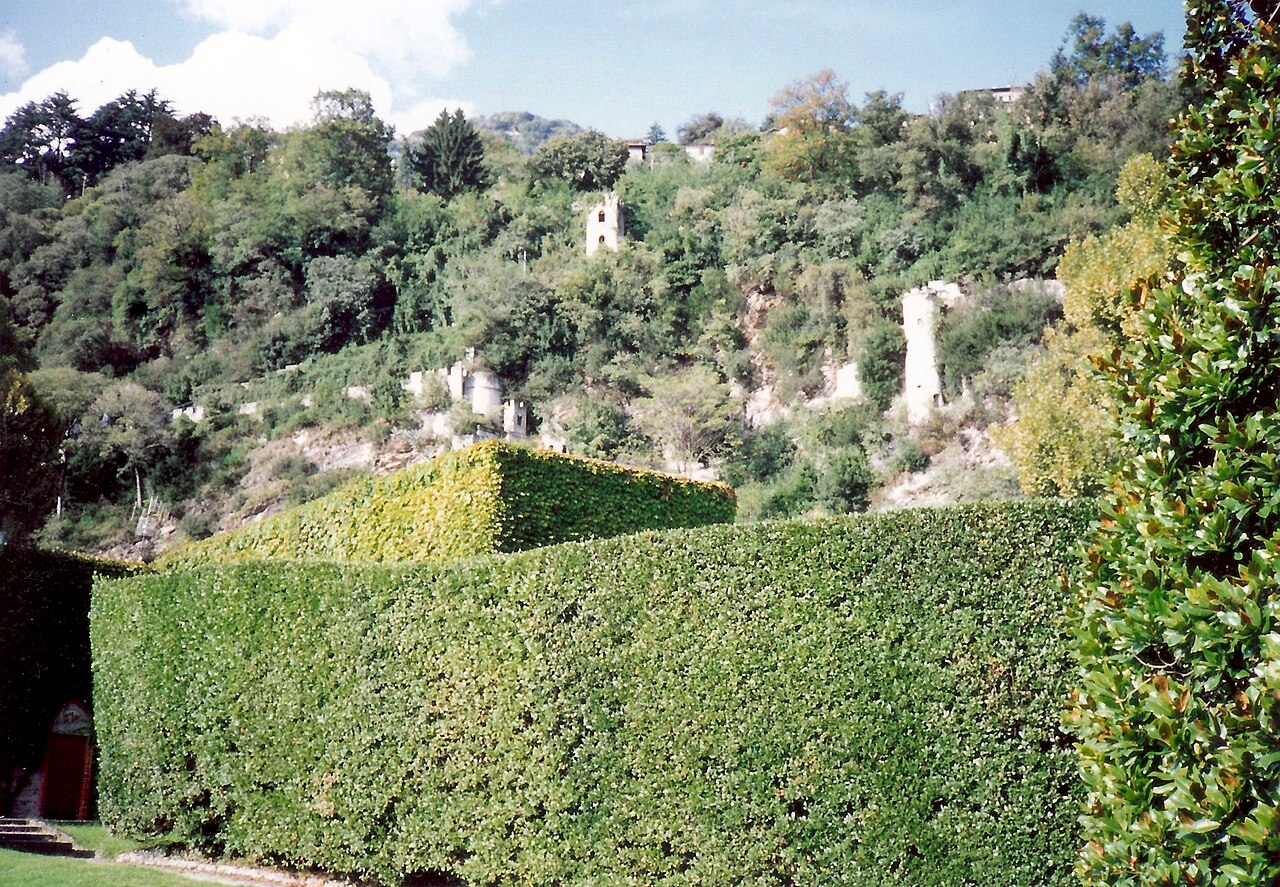
Featured image: Photo Alessandra Jovinelli, CC BY-SA 4.0, via Wikimedia Commons