 Posted by
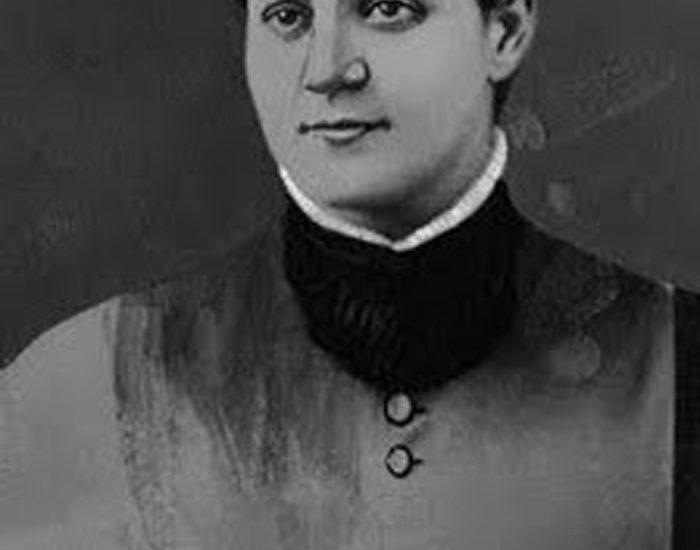
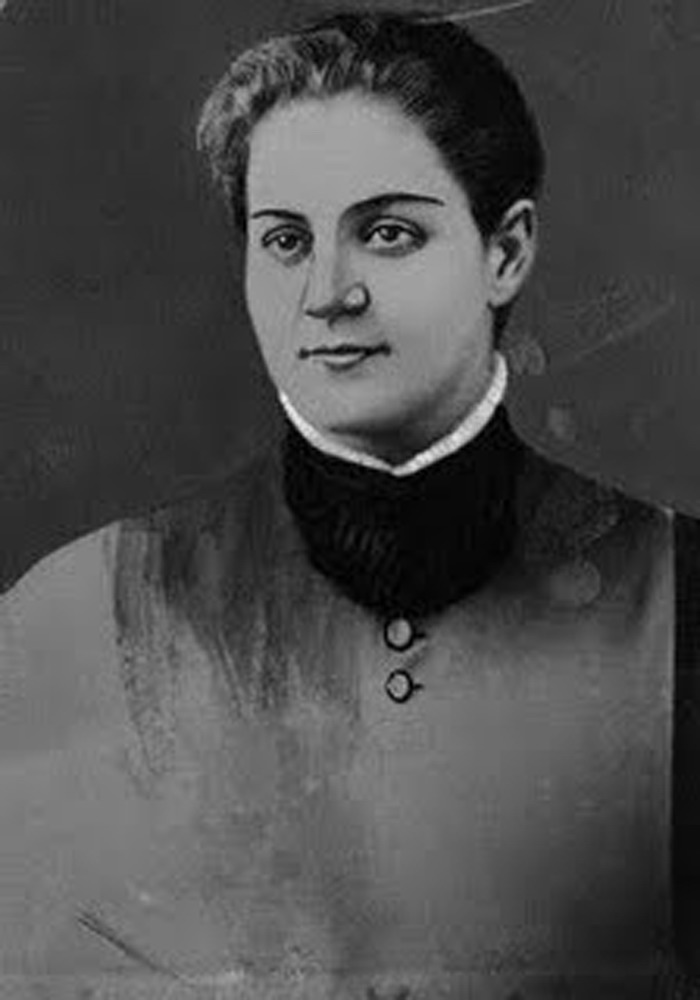
They called her Jolly Jane. She was a kind, smiling nurse, and Massachusetts families competed to have her care for their sick. Between 1895 and 1901 she killed at least twelve of them, but she confessed to thirty-one. Her ambition, she said, was to have killed more helpless people than any other man or woman who ever lived.
Boston, 1854. In a poor home of Irish immigrants, a baby girl is born. Her name is Honora Kelley. Her mother dies of tuberculosis when she is very small, while her father, a tailor, is an alcoholic and often violent. People in town call him Kelley the Crack: it is said that one day he sewed his own eyelids shut. Honora has a sister, Delia, and the two girls grow up like this, without their mother and afraid of their father.
In 1860 her father left Honora, who was six, and her sister Delia at a Boston orphanage, and never saw them again. Two years later the girl was sent into service with a family in Lowell, the Toppans. She was never adopted, but she took their surname to distance herself from her family of origin. She became Jane Toppan.
The Toppans also have a daughter, Elizabeth. The two girls grow up together and get on well. Elizabeth is perhaps the closest thing to a sister that Jane has left.
📍 This story is on the Mystery Map: see where it happened →
Jolly Jane
In 1883 Jane began training as a nurse at Cambridge Hospital. There she was well liked: bright, friendly, always cheerful. That’s why they called her Jolly Jane. She grew attached to the patients and picked her favourites, almost always elderly and very ill.
But even then she was using those patients as guinea pigs. She altered the doses of morphine and atropine prescribed by the doctors to see what effect they had on the nervous system. She falsified charts. She made patients drift in and out of consciousness. Sometimes she lay down in bed beside them.
In 1889 she was recommended for the prestigious Massachusetts General Hospital, where she claimed more victims before being fired the following year. She went briefly back to Cambridge and was dismissed from there too, for administering opiates recklessly. So she became a private nurse, working in the homes of well-off families. And she was successful, despite some complaints of petty theft.
The murders
In 1895 she killed her landlord, Israel Dunham, and two years later his wife. In 1899 she poisoned with strychnine Elizabeth, the Toppans’ daughter, with whom she had grown up and who was almost a sister to her. Then more patients, an acquaintance, a friend.
In 1901 she moved to Cataumet, on the Massachusetts coast, into the home of the elderly Alden Davis, to look after him after the death of his wife Mattie. Mattie had died at her hands. Within a few weeks Jane also killed Alden, his sister and two of his daughters.
It was too much. The surviving relatives asked for a toxicology test on the body of one of the daughters, Minnie, and it showed she had been poisoned. The police put Jane under watch, and on 29 October 1901 they arrested her.
The confession
By 1902 Jane Toppan had confessed to thirty-one murders. The authorities attributed twelve to her with certainty, but it is suspected her victims may have been many more, perhaps over a hundred, during almost twenty years in hospitals.
What shocked people most was the motive. Toppan explained that she felt an intense thrill watching patients come close to death, come back and then die. She used a drug mixture that left her in control of the moment, and she stayed beside them, sometimes in their bed, as they slipped away. She said her ambition was to have killed more helpless people than anyone else.
Not guilty
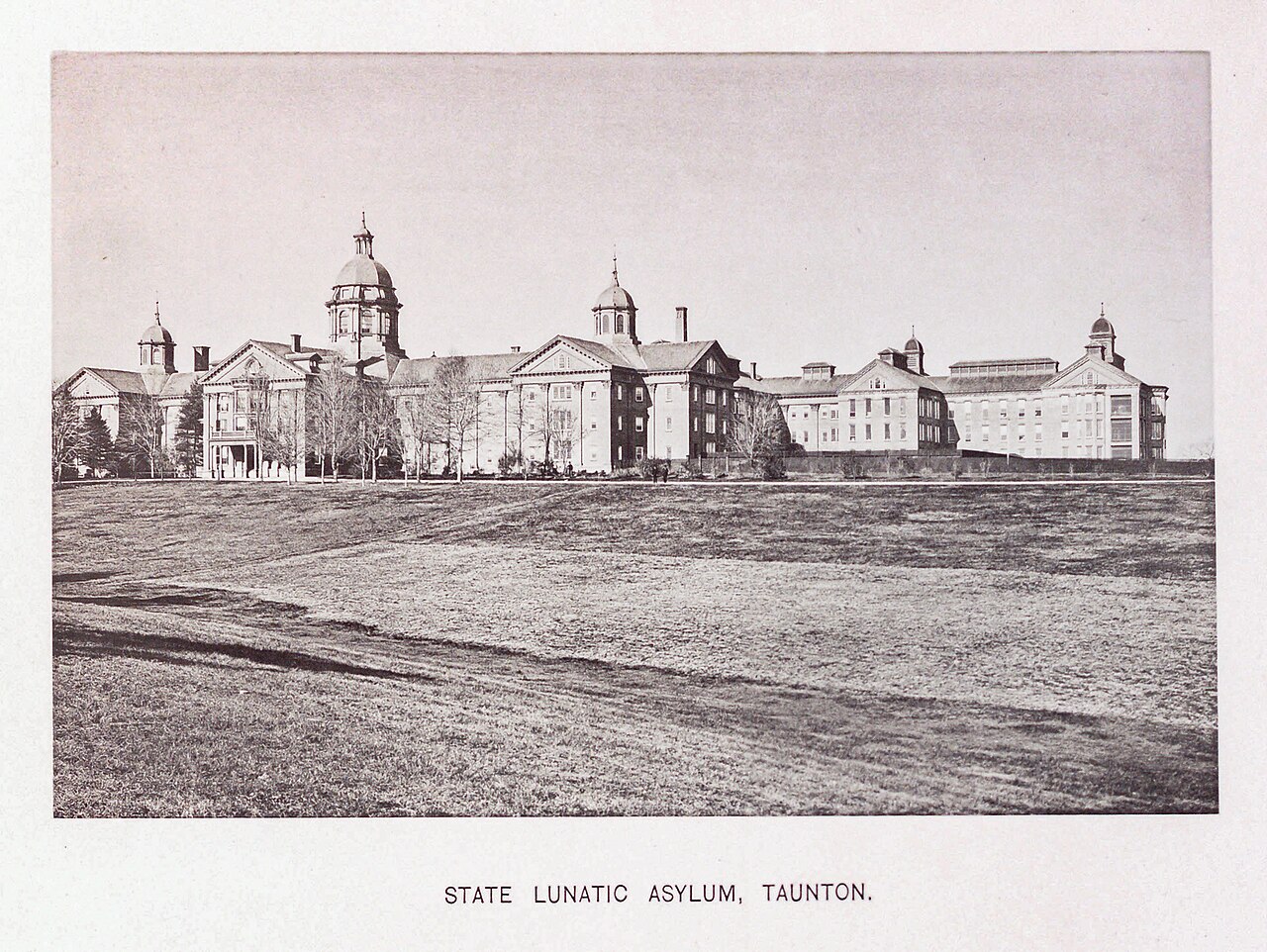
In court Jane insisted she was sane: she couldn’t be mad, she said, if she knew what she was doing and knew it was wrong. The judges disagreed. On 23 June 1902 she was found not guilty by reason of insanity and committed for life to Taunton Insane Hospital.
She stayed there for thirty-six years. She died on 17 August 1938, aged eighty-four.
Jane Toppan frightens me because she is the nightmare of anyone who has ever had a relative in hospital. The person who should protect you when you are at your weakest, the one you trust most, who smiles at you and holds your hand. And who, meanwhile, is waiting.
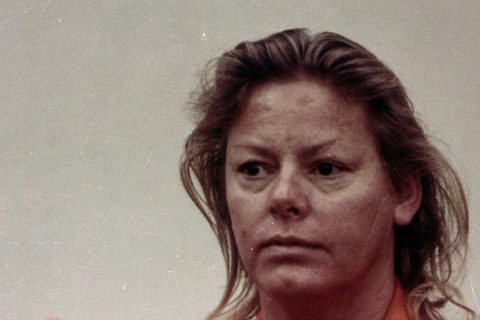
On Emadion you can also read about Aileen Wuornos and Tamara Samsonova, the Granny Ripper.
🦋 Emadion lives through its readers. If this story kept you up at night, buy me a coffee: it helps me bring you the next nightmare.
☕ Support Emadion on Ko-fiSources
Featured image: Photo unknown author, public domain, via Wikimedia Commons