
 Posted by
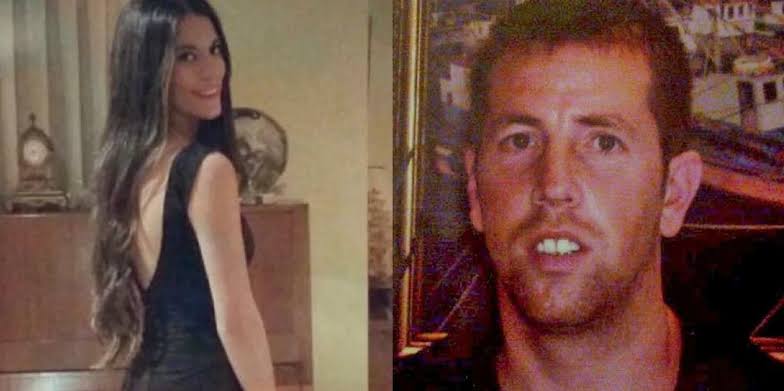
Diana Quer was 18 when she vanished on the night of 22 August 2016 in A Pobra do Caramiñal, Galicia, while walking home from a local festival. For 496 days Spain wondered what had happened to her. Then, on 31 December 2017, José Enrique Abuín Gey, known as “El Chicle”, led the Guardia Civil to the well where he had hidden her body. Today he is serving Spain’s version of a life sentence.
The case of Diana Quer is one of the most followed crime stories in modern Spain. A girl from Madrid on a seaside holiday, three WhatsApp messages sent in the dark, a phone pulled out of the mud by a clam digger. Then more than a year of silence, while television and newspapers filled the void with every kind of theory.
In the end the truth came out almost by chance, thanks to the courage of another young woman who, on Christmas night, screamed loud enough to save herself.
Who was Diana Quer?
Diana María Quer López-Pinel was born in Madrid on 12 April 1998 and lived in Pozuelo de Alarcón, just outside the capital. She was a high school student. Her parents, Juan Carlos Quer and Diana López-Pinel, were separated, and she had a younger sister, Valeria.
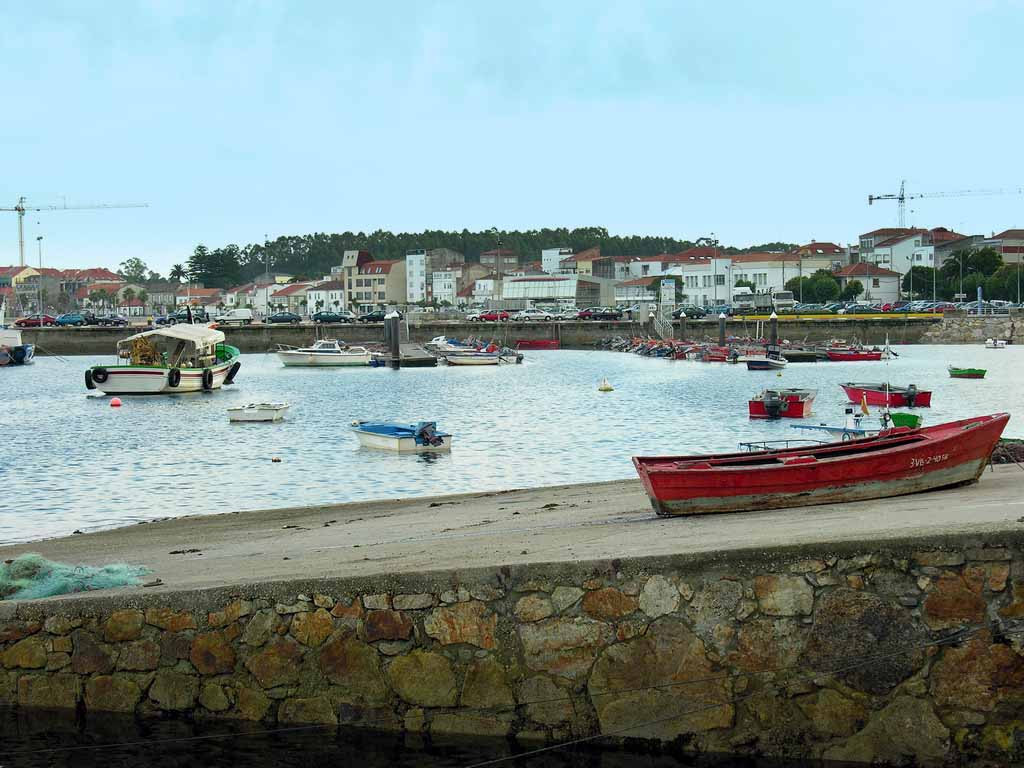
That summer Diana was on holiday with her mother and sister at the family house in A Pobra do Caramiñal, a fishing town on the Ría de Arousa, in the province of A Coruña.
The night of 22 August 2016
On the evening of Sunday 21 August, Diana went out with some friends to the Os Pincheiros festival in the town centre. Her house was just over a kilometre away.
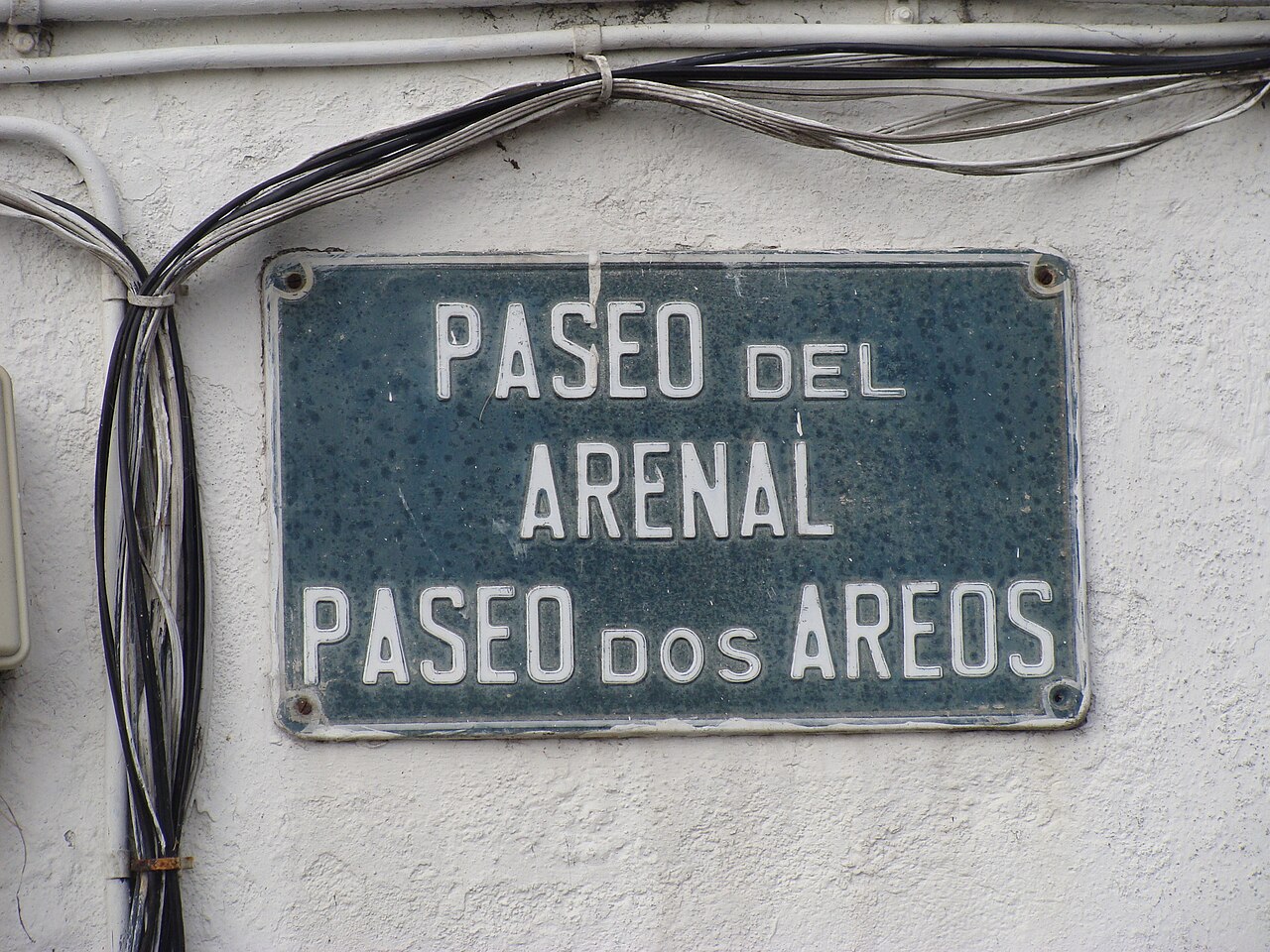
At 2:28 a.m. she started walking home alone. The route ran along the Arenal seafront, past some old ruined warehouses. Nearby, the trucks and caravans of the fairground workers were parked for the festival.
On the way she texted a friend in Madrid. At 2:29: “Me voy para casa”, I’m heading home. Around 2:40 the tone changed: “Me estoy acojonando. Un gitano me estaba llamando”. In other words: I’m getting really scared, a gypsy man was calling me. Her friend asked what the man had said. She replied with the words he was shouting at her: “Morena, ven aquí”, hey brunette, come here.
That was her last message. A few minutes later a call to another friend went unanswered. Her phone, however, kept sending a signal until about 2:58 a.m. And it was moving far too fast for someone on foot. According to investigators, Diana was already inside a car.
A media circus
Once her mother raised the alarm, the disappearance of Diana Quer became national news within days. The Guardia Civil searched A Pobra and every town around the estuary, but found nothing.
With no real news to report, TV shows and newspapers made it up. There was talk of Diana running away, of a foreign man she had supposedly been seen with in Lugo, of family problems. One programme showed her social media profiles. One newspaper even published her psychological report and unblurred photos of her younger sister, who was a minor.
Meanwhile the strained relationship between her parents ended up in the spotlight. In September 2016 a judge temporarily gave custody of Valeria to her father. Her mother said she felt “hundida, triste y destrozada”, sunk, sad and devastated. Many later described it as a public trial of the family of a girl who had, in fact, simply been abducted.
The phone in the Ría de Arousa
On 27 October 2016 came the first real breakthrough. A shellfish gatherer digging for clams found an iPhone in the mud under the Taragoña viaduct, in the municipality of Rianxo. It was Diana Quer’s phone.
Taragoña is about twenty kilometres from A Pobra, on the other side of the estuary. So the phone confirmed what the mast data already suggested: someone had taken her away by car. Unlocking it, however, was not easy. Without the passcodes, the Guardia Civil only managed to open it in July 2017, in a lab in Germany, with the help of an Israeli company.

A suspect, an alibi and a closed file
The investigation was taken over by the UCO, the Guardia Civil’s elite central unit. Officers checked around 15,000 number plates caught by cameras at petrol stations, motorways and toll booths. They questioned about 200 men with records for sexual offences or drugs. In the end the list was narrowed down to about eighty names.
One of them, since November 2016, was José Enrique Abuín Gey, a man in his early forties from Taragoña, known to everyone as “El Chicle”. He had a record for cocaine dealing and had already been to prison. At one point he noticed he was being followed and even asked an officer why they were on his back.
But he had an alibi. His wife, Rosario Rodríguez, swore he had been with her that night. Later his brothers-in-law backed him up too. So, with no evidence against anyone, in April 2017 the court in Ribeira provisionally closed the case. The UCO, however, never stopped working. By late 2017 it was preparing a report asking for the case to be reopened.
Christmas night in Boiro
In the end it was another young woman who broke the case open. In the early hours of 25 December 2017, in Boiro, not far from A Pobra, a man attacked her and tried to force her at knifepoint into the boot of his car.
She did not give up: she fought and screamed. Two young men heard her and ran to help, and the attacker fled. She was able to describe him and his car. What is more, her phone had accidentally recorded audio of the attack.
The car belonged to El Chicle. On 29 December 2017 the Guardia Civil arrested him and his wife. Under pressure, Rosario Rodríguez withdrew the alibi: her husband had not been with her that August night. She said she had “got the dates wrong”.
The well in Asados
In front of investigators, El Chicle first denied everything. Then he gave a first version: he had accidentally run Diana over with his car and, in a panic, hidden the body.
During the night of 31 December 2017 he took officers to an abandoned industrial warehouse in Asados, in the municipality of Rianxo. At around five in the morning Elton, a Guardia Civil dog, stopped on a metal sheet in the floor. Under it was a well full of water, 1.35 metres wide. Inside was the body of Diana Quer, weighed down with blocks tied with cables.
It had been 496 days since that night. On 3 January 2018 the case was officially reopened. Two days later the brothers-in-law also withdrew their alibi.
What the autopsy showed
The autopsy by the Galician Institute of Legal Medicine immediately ruled out an accident. Diana had been strangled, and her hyoid bone was broken. A plastic cable tie more than 40 centimetres long was also found in the well. According to the forensic experts, that tie, pulled tight around her neck, was what killed her.
Because the body had been in water for so long, not everything could be established. At the trial, however, a forensic doctor described injuries consistent with a sexual assault. Psychologists also found El Chicle fully responsible for his actions and without any remorse.
The trial and the sentence
In April 2019 El Chicle was first tried for the attack in Boiro, for which he would receive 5 years. Then, at the end of 2019, came the trial for the murder of Diana Quer, before a jury of the Provincial Court of A Coruña, sitting in Santiago de Compostela.
The prosecution argued that he had abducted her in order to rape her, and then killed her so she could not report him. He admitted only part of it: he said he had forced her into the car and squeezed her neck because she would not stop screaming.
The verdict came on 17 December 2019. The jury found him guilty of aggravated murder, committed to cover up a sexual offence, and of unlawful detention. The sentence was prisión permanente revisable, the “reviewable” life imprisonment introduced in Spain in 2015. On top of that came further years of prison and supervised release, a restraining order from the family, and compensation of 130,000 euros to each parent and 40,000 to her sister.
One line of the ruling stayed with many people: the victim was Diana, but it could have been any other woman who happened to pass by that night.
The High Court of Justice of Galicia upheld the sentence in 2020. In November of that year the Supreme Court did the same, making it final.
The rape of his sister-in-law
After his arrest, an old accusation also resurfaced. In January 2005 the twin sister of El Chicle’s wife, who was 17 at the time, had accused him of raping her. The complaint had later been withdrawn.
The case, however, was reopened. In December 2022 the Provincial Court of A Coruña sentenced him to 14 years for sexual assault. The Supreme Court later upheld that conviction too.
Where is El Chicle today?
José Enrique Abuín Gey is held in a prison in the province of León, far from Galicia. He was moved there partly to protect him from possible revenge from the drug world. Under his life sentence he cannot apply for open prison conditions before 18 years. The sentence itself can only be reviewed after 25 years.
Diana’s father, Juan Carlos Quer, became one of the faces of the campaign to keep reviewable life imprisonment. In fact, in those very years, part of the Spanish parliament wanted to abolish it.
Remembering Diana Quer
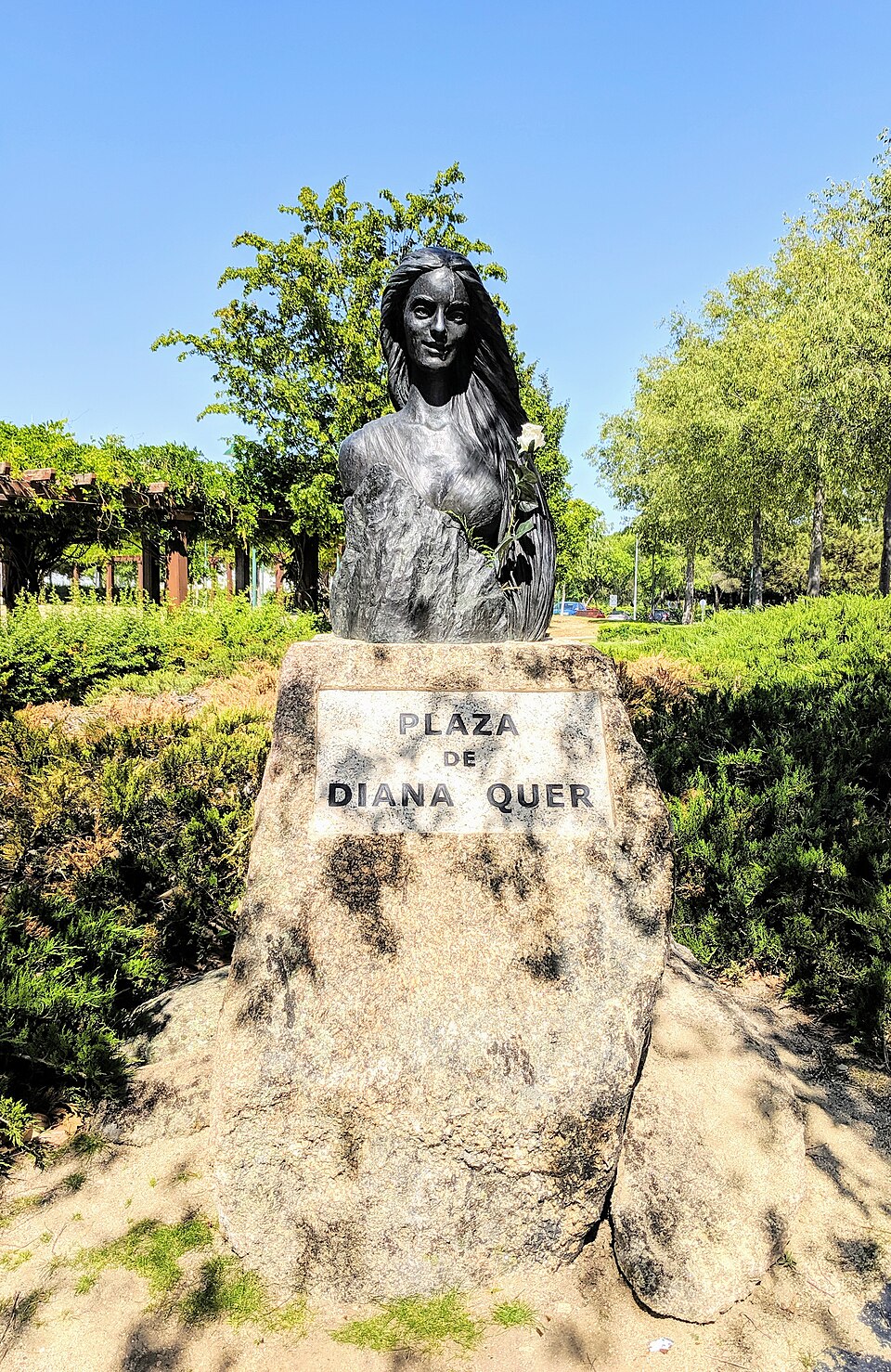
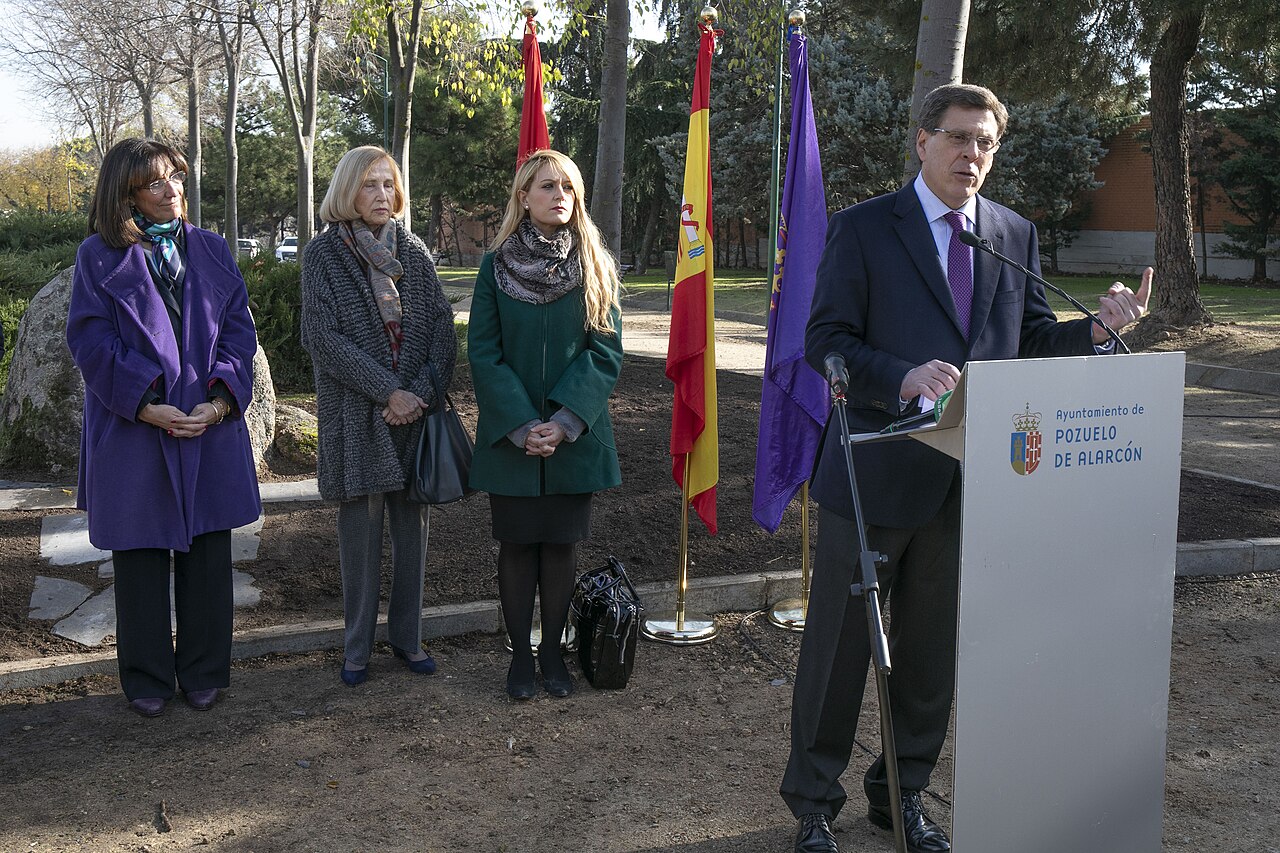
On 28 November 2018 Pozuelo de Alarcón named a square after Diana, with a statue showing her with long, loose hair. Then, in July 2024, the sculpture “Como Agua” by Isabel Soler was unveiled in A Pobra do Caramiñal. It honours Diana and also María Rocío Feijóo, another 18-year-old murdered in the town.
On 22 August 2026 it was ten years since that night. Spanish newspapers such as El Correo Gallego remembered it as “an investigation broadcast live”. Indeed, the Diana Quer case also taught Spain a lot about the limits of the media. For months everyone talked about everything, from her family to the private life of an 18-year-old girl. Meanwhile, her killer was living quietly twenty kilometres away.
If you are interested in missing persons cases, read also the mysterious disappearance of Amy Bradley.
Sources: Wikipedia, El Correo Gallego, Enfoques.gal, ESdiario, El Independiente, Vozpópuli.
🦋 Emadion lives through its readers. If this story kept you up at night, buy me a coffee: it helps me bring you the next nightmare.
☕ Support Emadion on Ko-fi


