 Posted by
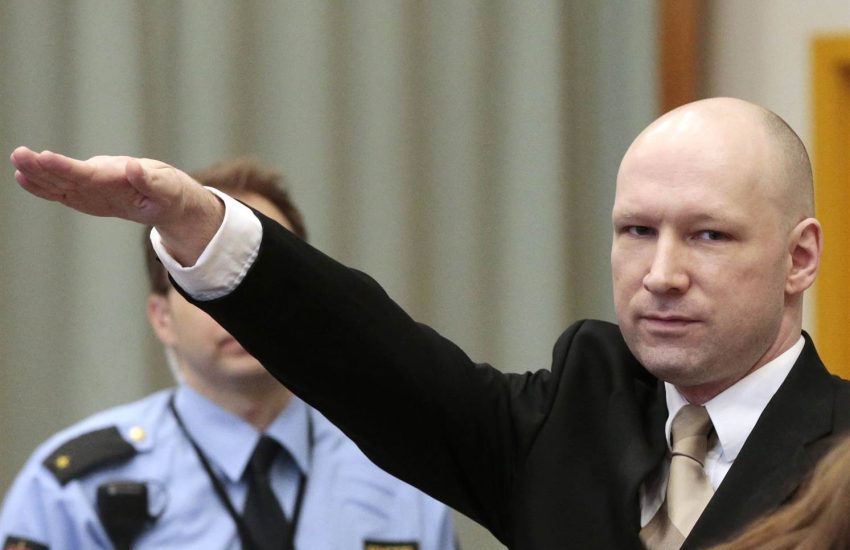
On 22 July 2011 the Norwegian far-right terrorist Anders Behring Breivik killed 77 people: 8 with a car bomb in Oslo’s government quarter and 69 on the island of Utøya, where the Labour youth summer camp was taking place. Sentenced in 2012 to 21 years of extendable preventive detention, the maximum in Norway, he is still in prison.
Anders Behring Breivik is the Norwegian far-right terrorist who on 22 July 2011 killed 77 people in two attacks and injured more than 300.
In his manifesto he set out his Islamophobic, anti-multiculturalist views, and he chose the island of Utøya because it was hosting the summer camp of the AUF, the youth wing of the Labour Party, which he held responsible for opening Norway to immigration and Islam.
The attacks
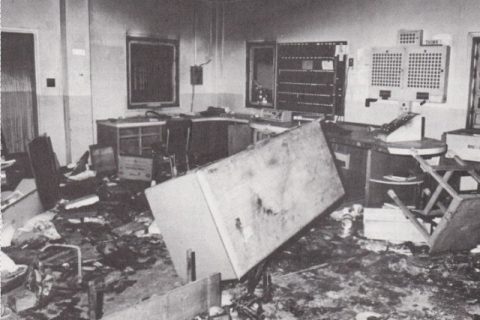
At 3:25 pm on 22 July 2011 a van loaded with about 950 kilograms of explosives blew up in the Regjeringskvartalet, the government quarter of Oslo, next to the tower housing the office of then prime minister Jens Stoltenberg.
8 people were killed and at least 210 injured, 12 of them seriously.
The Utøya attack
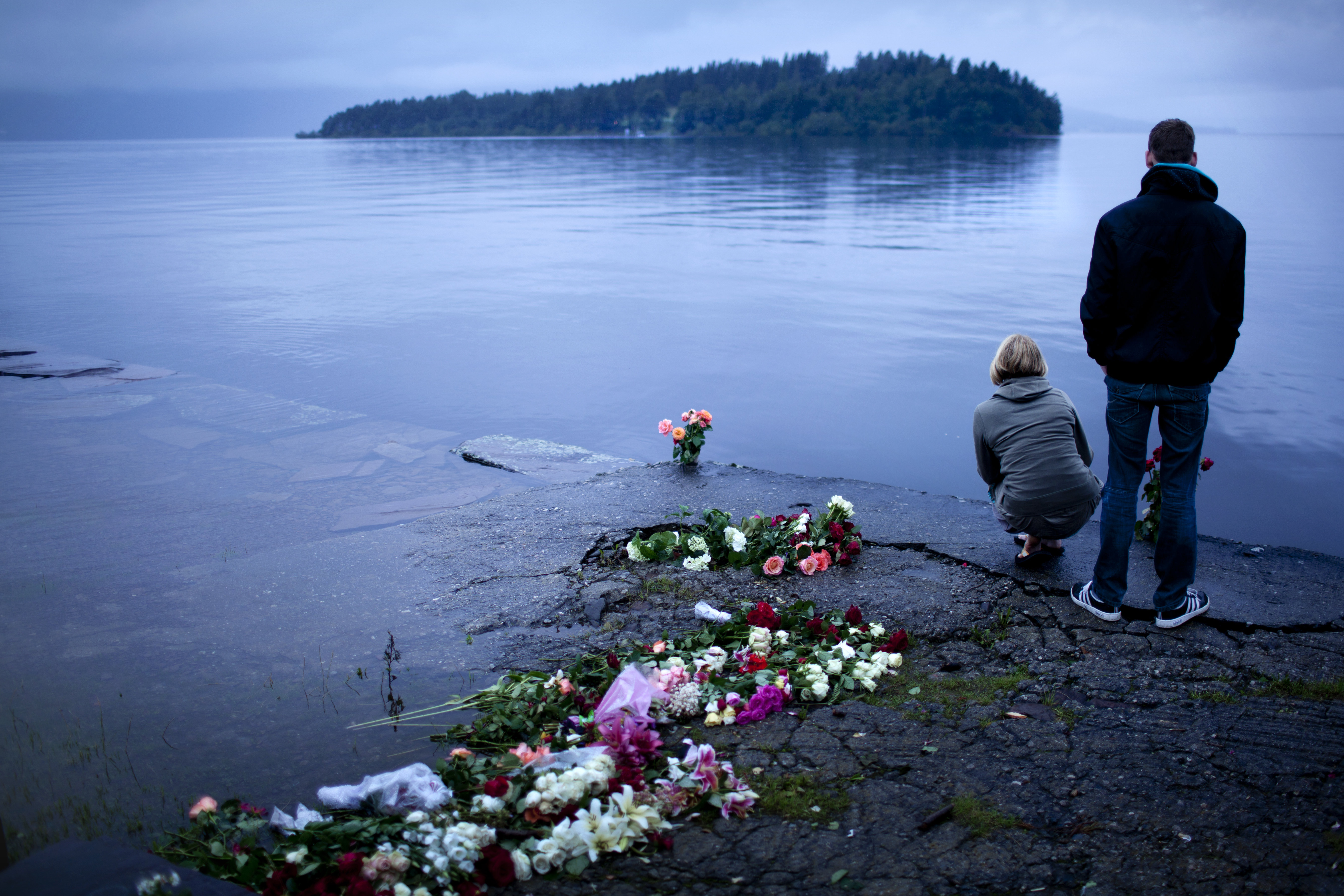
Less than two hours after the explosion Breivik, wearing a homemade police uniform and carrying false ID, took the ferry to the island of Utøya, on Lake Tyrifjorden. He said he had to carry out a check after the Oslo attack. He was met by Monica Bøsei, the camp leader, who grew suspicious and alerted Trond Berntsen, the island’s security officer. Breivik killed them both.
He then opened fire on the participants, mostly teenagers and young people, shouting “You will die today, Marxists!”. For more than an hour he shot methodically.
The survivors’ accounts are chilling: some tried to swim away, but Breivik shot at them from the shore. Others pretended to be dead, but he came back to shoot again at the bodies on the ground.
On the island 69 people died and at least 110 were injured. Among the dead were friends of Stoltenberg and the stepbrother of Queen Mette-Marit. It was the deadliest attack in Norway since the Second World War: according to one survey, one Norwegian in four knew someone affected. When the police special unit arrived, Breivik surrendered.
The trial
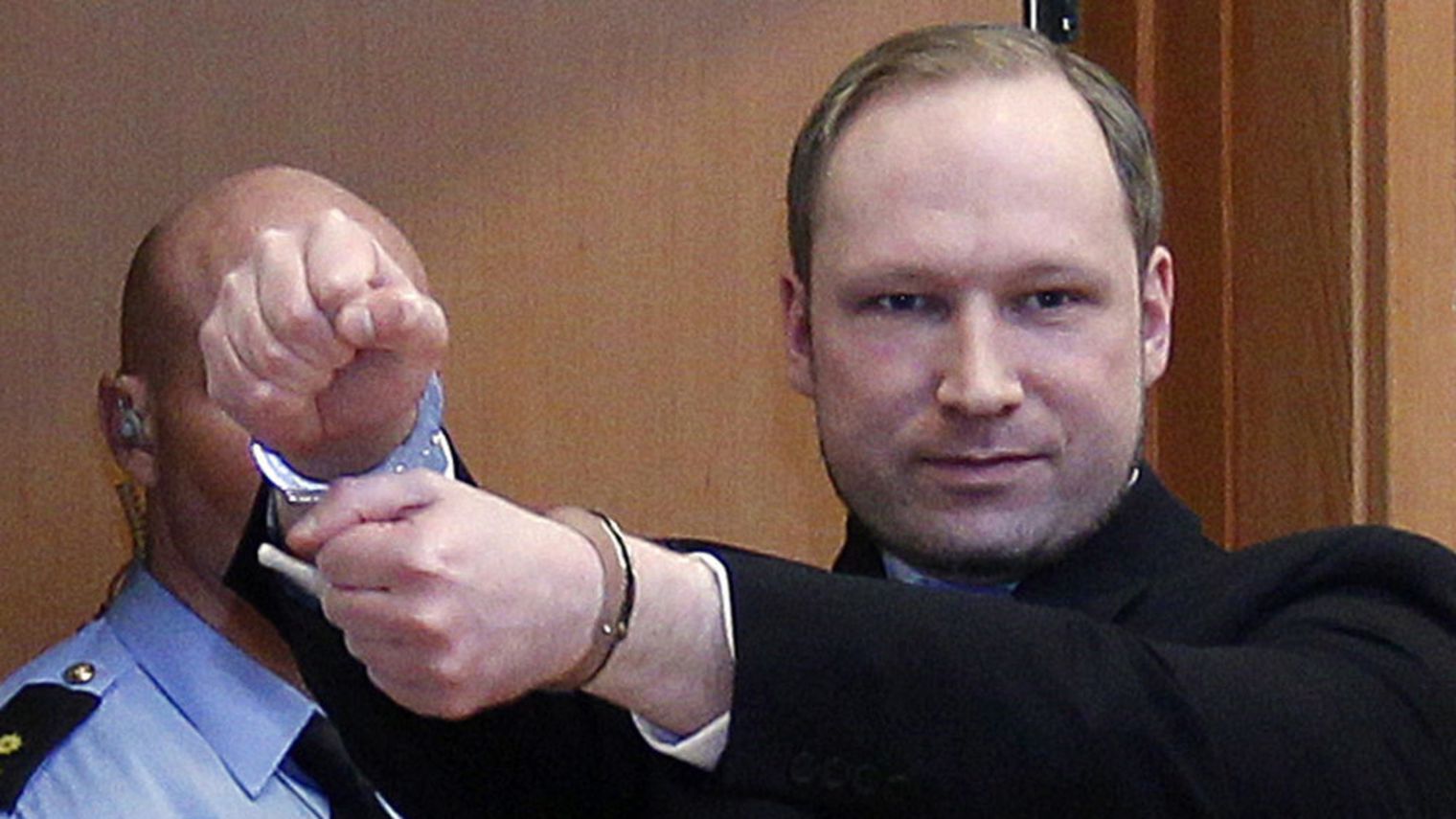
Before the trial Breivik was examined by two teams of psychiatrists. The first found him insane, the second found him fully competent.
On 24 August 2012 the court ruled him sane and sentenced him to 21 years of preventive detention, the maximum penalty in Norway, with a minimum of 10 years before he could apply for parole.
The sentence can be extended for as long as he is considered a danger to society: in practice, it is the only way to ensure life imprisonment in Norway. Breivik did not appeal, saying he did not recognise the legitimacy of the court.
In prison
In 2016 Breivik sued the state over his conditions in isolation, complaining among other things about the lack of a view from his cell, the meals and the strip searches. Yet he had three cells, a gym and a video game console. On 20 April 2016 the Oslo court partly ruled in his favour, but in March 2017 the ruling was overturned on appeal: his conditions did not violate his rights. The Supreme Court then refused to hear the case.
In 2017 he legally changed his name to Fjotolf Hansen. His parole request was rejected in 2021, and the decision was upheld in 2022. In 2024 he sued the state again over his isolation, but lost on all counts.
His ideas
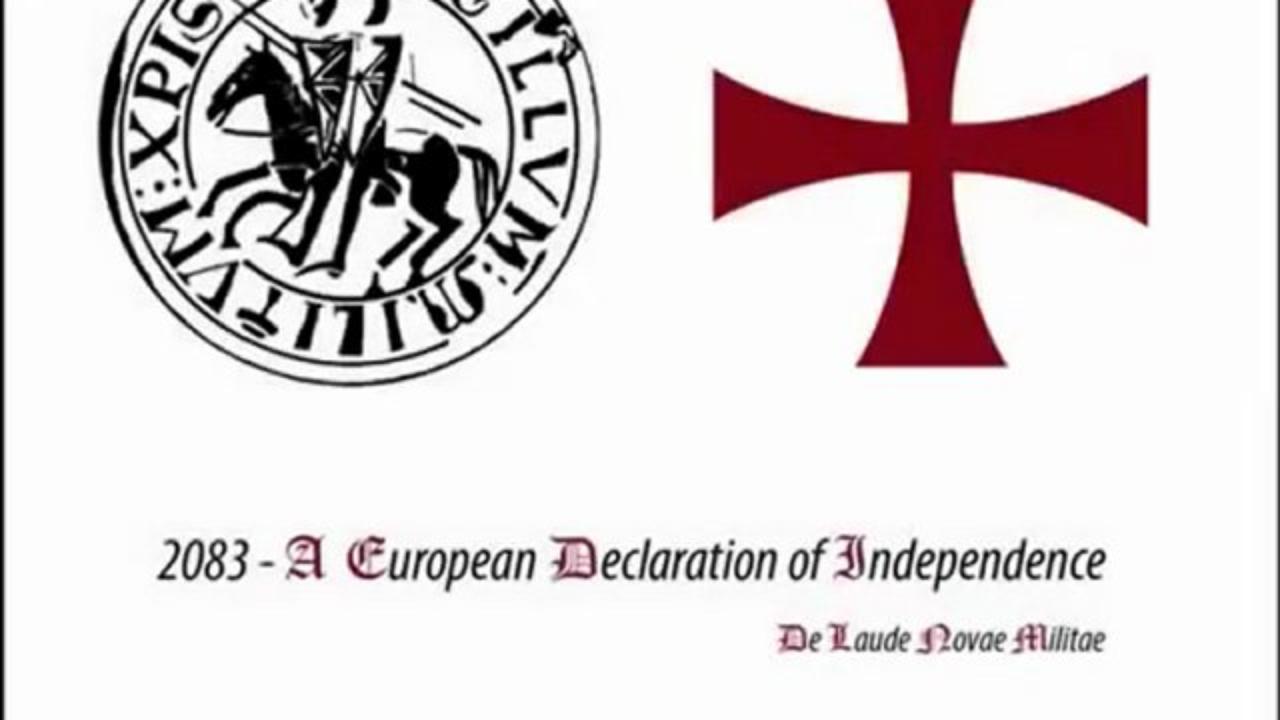
On the day of the attacks Breivik emailed his manifesto, “2083: A European Declaration of Independence”, to about a thousand contacts: over 1,500 pages describing years of preparation for the attacks. Breivik believes in the “Great Replacement” theory, wants to fight what he calls “Cultural Marxism”, blames feminism for Europe’s “cultural suicide” and calls for the deportation of Muslims from the continent. He admires Japan and South Korea for their monoculturalism.
He also claims that the European Union is a project to create so-called “Eurabia”. This is an Islamophobic, far-right conspiracy theory claiming that European politicians have colluded with Arab countries to Islamise Europe. It has no basis: even the highest projections by the Pew Research Center see Muslims as a minority in Europe in 2050.
Although he has been called a Christian fundamentalist, Breivik has said he is close to Odinism, although in his manifesto he says he is not especially religious. Analysts describe him as a far-right extremist and neo-Nazi driven by hatred of Islam.
A dangerous legacy
Unfortunately Breivik’s ideas did not die that day. His manifesto inspired other attacks, such as the Christchurch mosque shootings in New Zealand in 2019 and the Buffalo shooting in the United States in 2022.
That is why it is important to remember who the victims of Utøya were: young people who had gathered to talk about politics. On the island, in a clearing, a steel ring hanging between the trees bears the names and ages of most of them.
No fear and no political idea is worth the lives of 77 people. Over to you.
🦋 Emadion lives through its readers. If this story kept you up at night, buy me a coffee: it helps me bring you the next nightmare.
☕ Support Emadion on Ko-fiSources
- Anders Behring Breivik – Wikipedia
- 2011 Norway attacks – Wikipedia
- Eurabia conspiracy theory – Wikipedia