Posted by
The legend of spiders hatching inside bananas is false, but sometimes tropical spiders do travel on the peel or among the bunches. In 2013 in London and in 2015 in Yorkshire two mothers found spider nests on supermarket bananas and feared they were the highly venomous Brazilian wandering spider. Experts, however, explain that they are almost always harmless species.
Although what I’m going to talk about is not exactly an animal attack, it still deserves an article. You have probably read online, some time ago, an urban legend according to which spider nests could be found inside bananas. Once the fruit was peeled, the spider would jump out and bite the unsuspecting human.
This story is false: in the bananas we eat, the fruit grows closed, without fertilization, and there is no way spider eggs could end up inside it. However, nothing stops a spider from making its nest outside the banana, on the peel or among the fruits of the bunch.
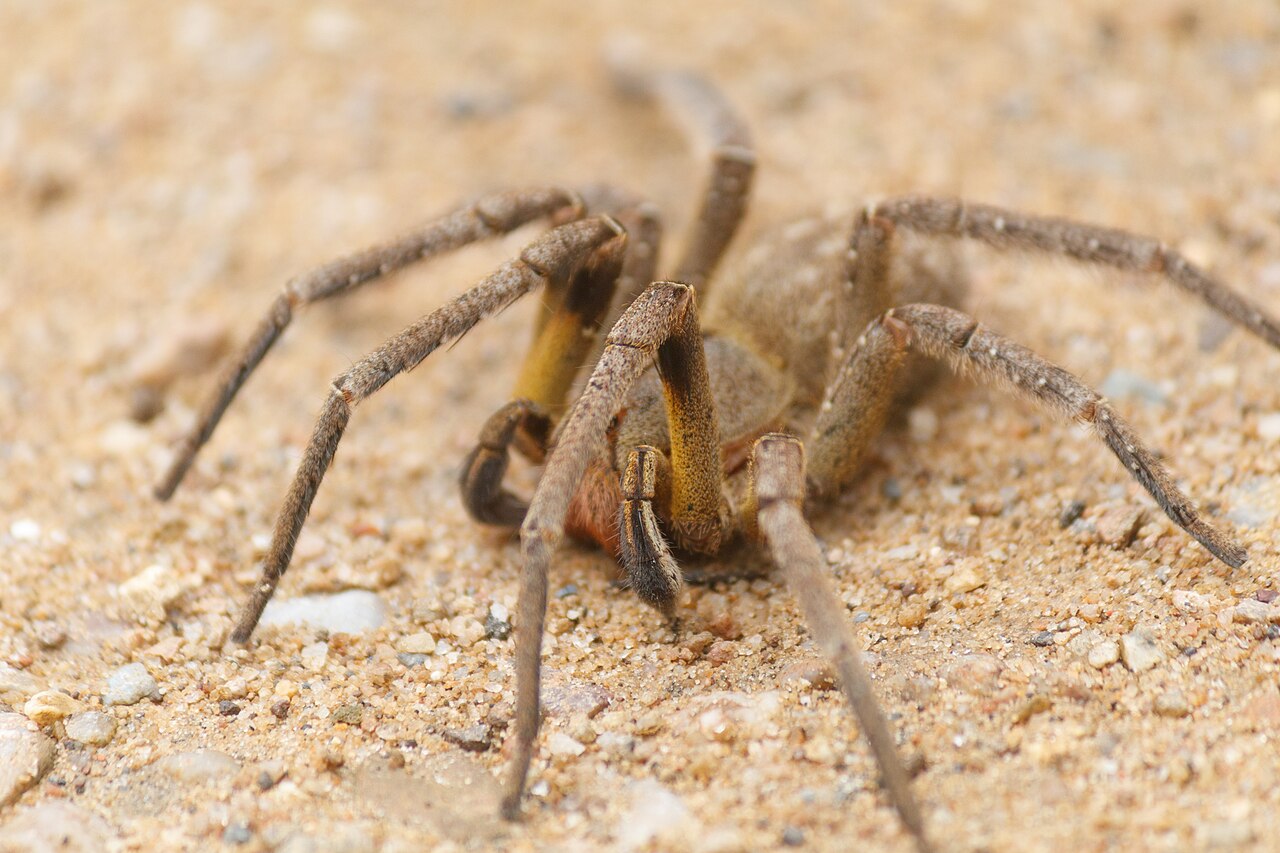
Among the spiders that can travel with bananas is Phoneutria, the Brazilian wandering spider, one of the most venomous spiders in the world, which in 2010 Guinness World Records named the most venomous of all. It lives in Central and South America and is also called the “banana spider” because it often hides among banana plants. Several cases of spiders emerging from banana bunches have been recorded, and today I’ll tell you about two. Hoax or truth?
Venomous spiders from supermarket bananas
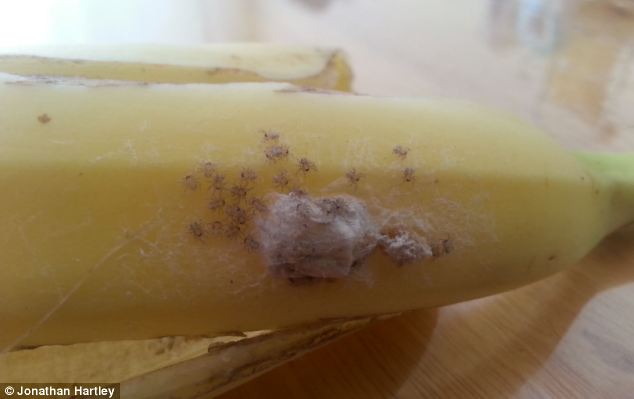
In November 2013 Consi Taylor, a 29-year-old woman from Hampton, in south-west London, bought a bunch of Colombian Fairtrade bananas at Sainsbury’s. Back home she decided to eat one.
While eating the banana Consi noticed a white spot on the peel. At first she thought it was mold, but then she saw dark dots moving, coming out and starting to walk across the table and the carpet. It wasn’t mold, but a nest of hatching spiders.
I hope I didn’t eat one but I can’t be sure. I now have a phobia of buying bananas.
Frightened, she took a photo and sent it to a pest control company, which replied that they could be Brazilian wandering spiders and told her to leave the house immediately. Consi, her husband and their two young children moved to a hotel while the house was fumigated and all their clothes cleaned.
At first the supermarket, where she had gone to complain, gave her a £10 voucher. Then, however, it paid for the hotel and the fumigation and gave her “a substantial cash sum”, several thousand pounds in all.
An expert hired by Sainsbury’s, however, claimed they were not Brazilian wandering spiders but most likely spiders of the genus Cheiracanthium, which are also common in Europe.
Woman kills spiders with boiling water
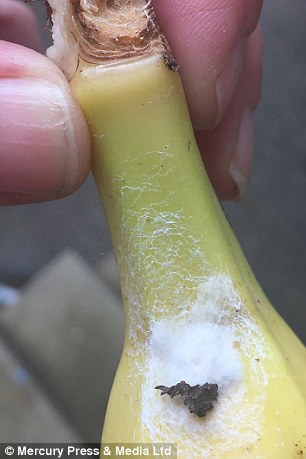
In June 2015 Laura Horsfield, 31, a mother of four, had bought a bunch of bananas from Tesco in Cleckheaton, Yorkshire. The next day, while cutting them for her children, she noticed a “white pouch” on the peel, with small dark dots moving inside.
She immediately thought it could be a Brazilian wandering spider nest and took the fruit straight out into the garden.
She threw it on the ground and stamped on it several times. Then, fearing some spiders might have survived, she poured boiling water over the nest. Finally she sealed everything in a plastic bag, to suffocate anything still alive.
When I realised it looked like they were such deadly spiders I freaked out, I couldn’t believe it. If it could be considered a fight, I certainly won!
The bunch had been left overnight on the kitchen table. She said that usually, when they found a spider in the house, they picked it up with a piece of paper and put it outside. From now on, though, she will kill them, fearing they might be “survivors” of the Brazilian spider. The supermarket apologized and said all inspection procedures had been followed.
Are they really venomous spiders?
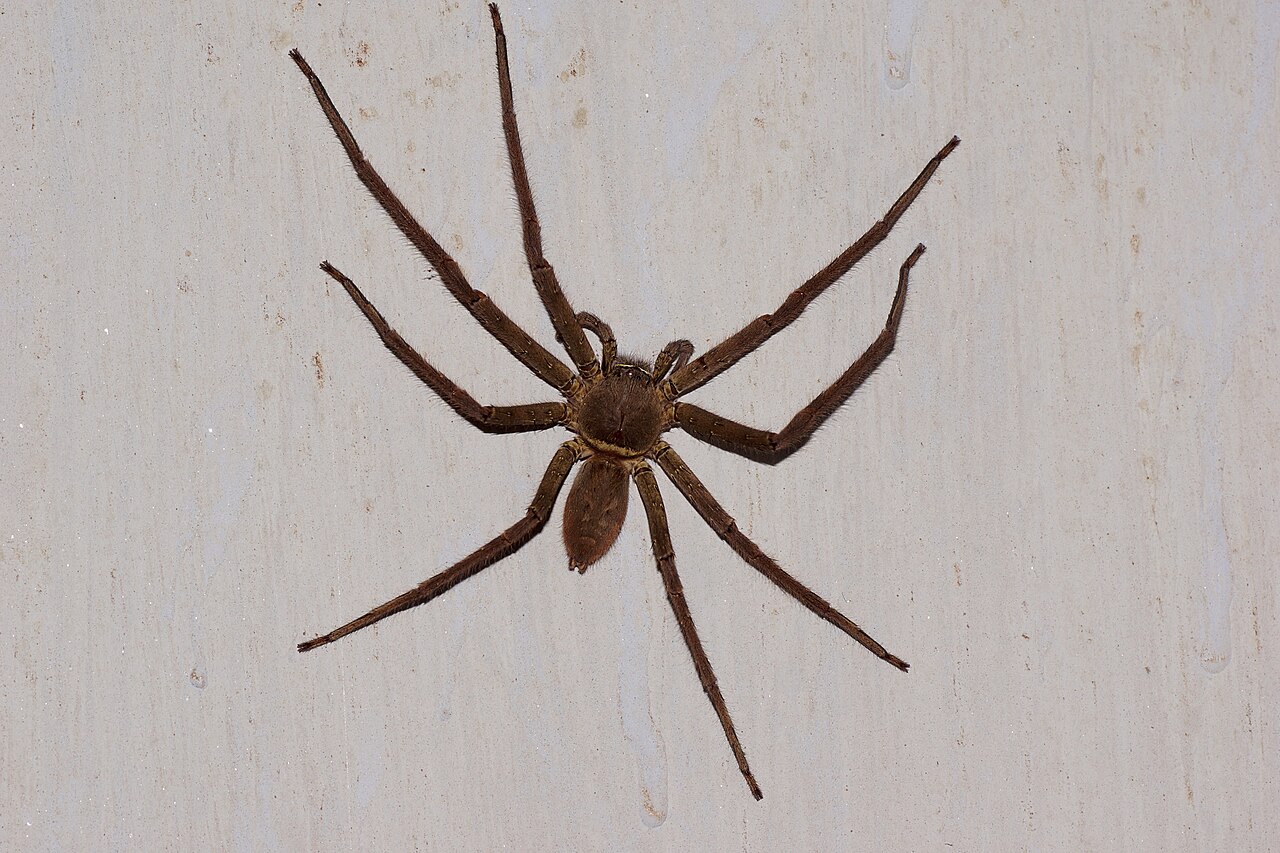
According to the BBC these cases are very rare and, if we were to see spiders in our fruit, they would probably be common spiders. Seattle’s Burke Museum also explains that the spider most often carried with bananas is the huntsman spider, Heteropoda venatoria, which guards its eggs in a leaf nest and is harmless to humans.
In March 2015 in Wales a panicked shopper mistook a nest of this very harmless spider for that of “the world’s deadliest spider”, setting off yet another wave of alarmist articles.
In short, finding a spider nest on bananas is possible but very rare, and the spiders are almost always harmless. In any case, if it should happen to you, experts advise sealing the banana in a bag and putting it in the freezer for a day, or destroying the nest with boiling water, just as Laura did.
🦋 Emadion lives through its readers. If this story kept you up at night, buy me a coffee: it helps me bring you the next nightmare.
☕ Support Emadion on Ko-fiSources
- ITV News – Deadly spiders on bananas
- ABC News – Potentially Deadly Spiders Found in Supermarket Banana
- Softpedia – Deadly Brazilian Spiders in Bananas Make Woman, Family Evacuate Home
- The Register – Mum fails to nuke killer spider nest from orbit
- Burke Museum – Myth: Spider eggs in bananas
- BBC – How often are spiders found in supermarket fruit?