
 Posted by
Between 1993 and 2007 someone planted more than thirty explosive devices across Veneto and Friuli-Venezia Giulia: pipe bombs at village fairs, explosives hidden in highlighter pens, chocolate-egg capsules, tubes and bottles. No one died, but many were badly hurt, including two little girls. The investigation reopened in 2022 with new DNA analysis closed in May 2026 without a name. Unabomber remains the great criminal mystery of north-east Italy.
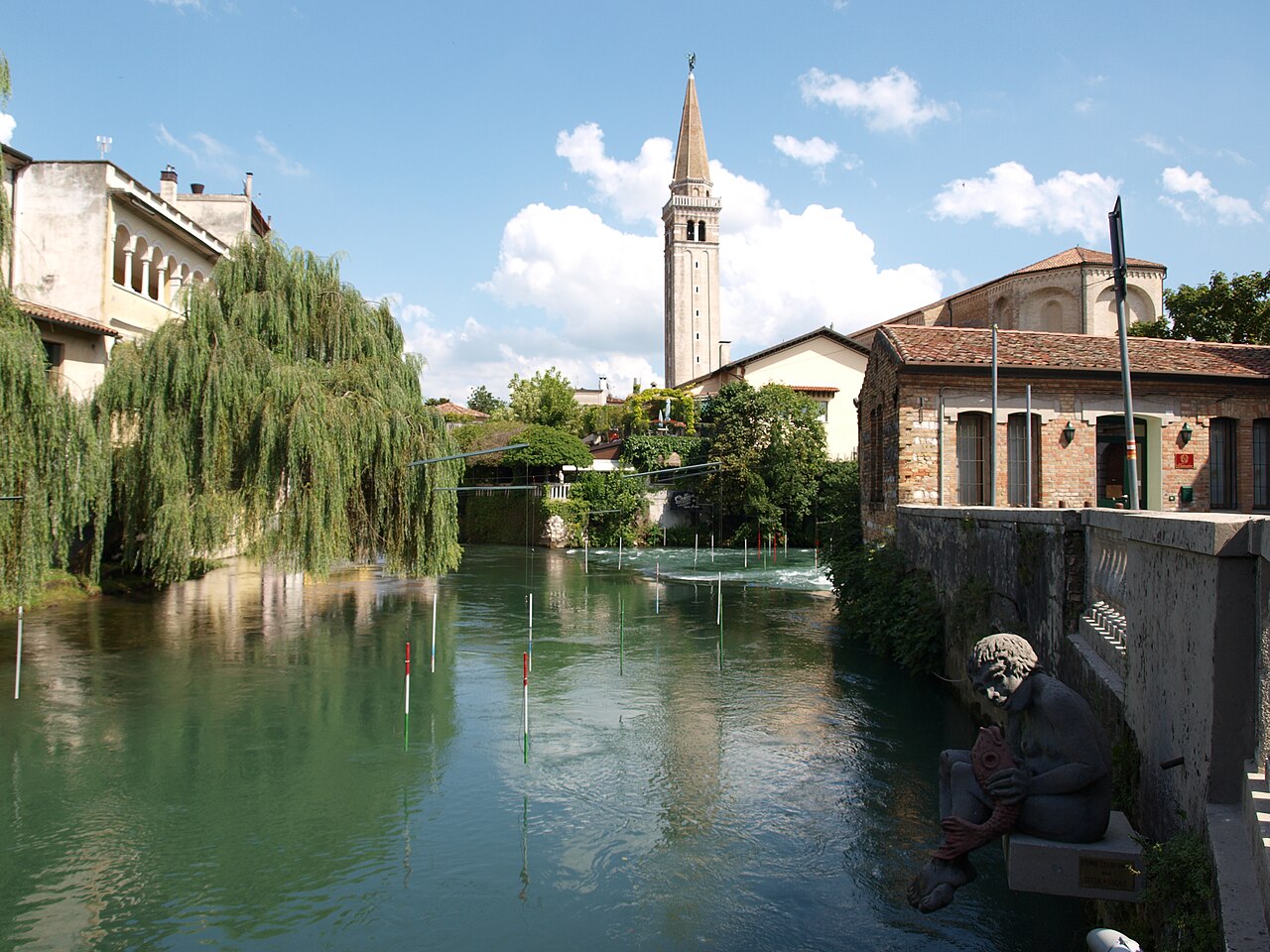
On the morning of 21 August 1994 Sacile was holding the Sagra dei Osei, one of Italy’s oldest fairs, with at least fifty thousand people in the streets. At 10:45 a woman noticed an iron tube among the hydrangeas near a drinking fountain and picked it up. It was about thirty centimetres long, packed with explosive and glass marbles. The blast injured her and two of her children, fortunately only lightly. No one could know it yet, but it was the first pipe bomb in a series that would go on for thirteen years.

A bomber with no face and no motive
Investigators date the series from a phone box blown up in Portovecchio di Portogruaro on 8 December 1993. Then came a tube outside a Pordenone supermarket, another on a church forecourt in Aviano as people left Mass, two during Carnival in Azzano Decimo. The press called him Unabomber, after the American bomber Theodore Kaczynski. But unlike him, the north-east’s Unabomber never wrote a line, claimed nothing and left no useful traces. Depending on the reconstruction, the attacks number 31, 33 or 34.
He killed no one, and many believe he did not mean to: his devices were built to maim. On 30 September 1995 in Pordenone a pensioner, Anna Pignat, picked up a tube near a rubbish bin and suffered terrible injuries to her arms. She died in 2008 without ever receiving compensation.
From 2000: the traps
After a pause between 1997 and 1999, Unabomber came back with a new method. The first sign came at San Vito al Tagliamento on Carnival Monday 2000: an unexploded device inside a can of party streamers. From then on the explosives were disguised as harmless objects, and the targets were increasingly vulnerable people, children included.


On 6 July 2000, on the beach at Lignano Sabbiadoro, a retired carabiniere, Giorgio Novelli, picked up a metal tube at the water’s edge and carried it a few hundred metres. It went off, badly injuring his face and leaving him in a coma: the trigger was new, set off by movement, and the bomb was built to withstand water. On 24 March 2003 a device exploded in a toilet of the Pordenone courthouse, a few metres from the office of the prosecutor investigating him. The security cameras might have caught him, but the tapes were too worn to be of use.
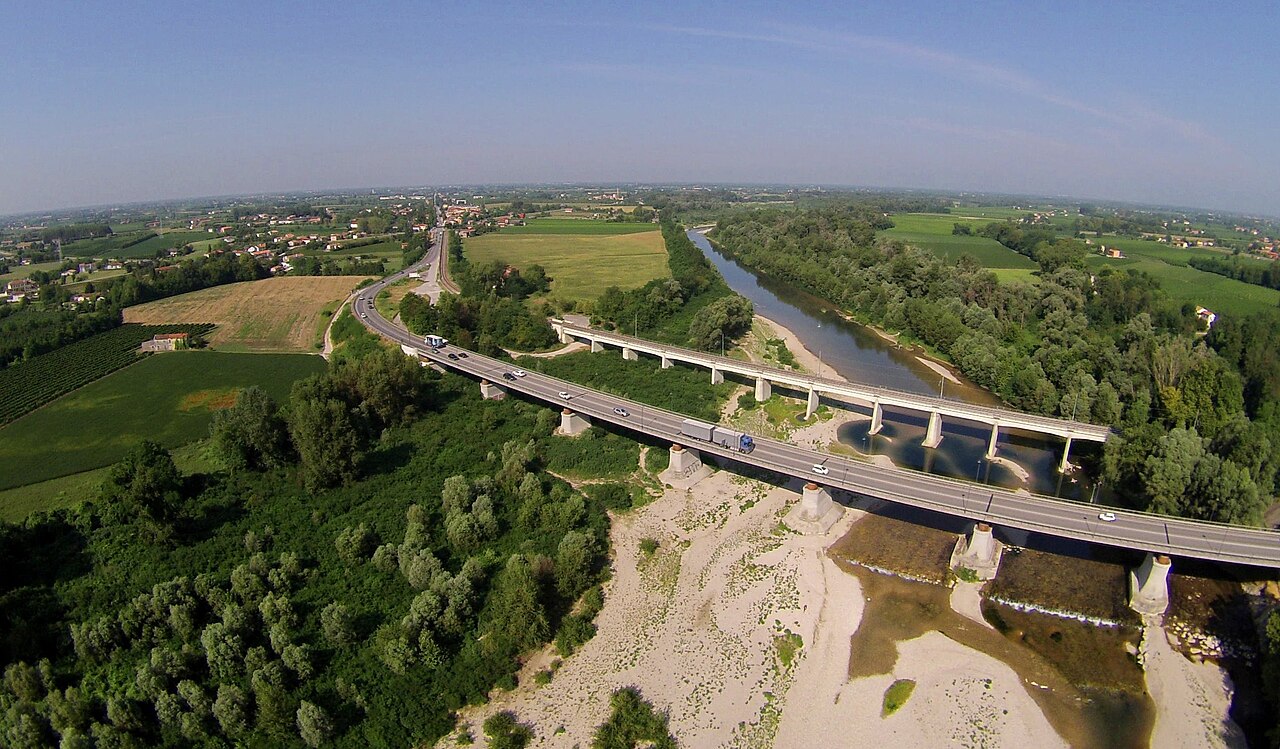

A month later, on 25 April 2003, families were camping on the banks of the Piave at Fagarè della Battaglia. A nine-year-old girl, Francesca Girardi, found a highlighter that had not been there shortly before and opened it: the explosion left her with terrible injuries to her hand and face. In 2005 in Treviso a twelve-year-old boy on a school trip picked up a chocolate-egg capsule left on a telephone junction box; he threw it down and kicked it away, and the blast hurt no one. Also in 2005 another girl, aged six, was injured. The last attack attributed with certainty dates to 6 May 2006 on the coast at Caorle, where a young couple found a bottle that seemed to contain a message; the latest investigation also attributes to him a device found on 28 October 2007 at Zoppola.
The Zornitta case and the faked evidence
On 26 May 2004 Elvo Zornitta, an engineer from Azzano Decimo, was placed under investigation. Several elements seemed to point at him: technical knowledge of explosives, work travel in the same area as the attacks, some objects compatible with those used by the bomber. He was kept under surveillance for two years, even inside his home, and during that time Unabomber kept striking: for every attack Zornitta had a confirmed alibi. He, his relatives, friends and colleagues were DNA-tested, always with negative results.
In October 2006 the decisive proof seemed to arrive: the cuts on a metal strip from a device found in the church of Sant’Agnese in Portogruaro matched the blades of a pair of scissors seized from the engineer. In January 2007 his lawyer, Maurizio Paniz, showed that a strip of that metal had been cut with the scissors after they were seized. The evidence had been faked by a forensic police officer, Ezio Zernar, definitively sentenced in 2014 to two years for forgery and procedural fraud. The Zornitta file was closed on 2 March 2009. By then the engineer had lost his job.
The reopening and the DNA
In 2022, following a podcast by journalist Marco Maisano and a petition he filed with two victims, Francesca Girardi and Greta Momesso, Trieste prosecutors reopened the case. The idea was to apply new genetic techniques to ten exhibits stored for years. There were eleven suspects, Zornitta again among them, although prosecutors stressed there was no specific evidence against any of them. In May 2024 local papers reported DNA traces found on the exhibits, a claim challenged by the defence, which from the start had raised doubts about storage and possible contamination.
In October 2025 the expert report came in: no match between the genetic material extracted and the DNA of 63 people, including the eleven suspects. Zornitta publicly asked to be forgotten. On 12 May 2026 the preliminary investigations judge in Trieste closed the proceedings.
A name we may never have
Time weighs on the case too: from 2026 any crime attributed to Unabomber is time-barred, and victims could not claim compensation from him even if he were identified. The usual hypotheses remain: that he is dead, that he went to prison for something else, that he simply stopped. Above all remain the people who picked up an ordinary object, a tube, a pen, a bottle, and from that day had to start their lives over.
🦋 Emadion lives through its readers. If this story kept you up at night, buy me a coffee: it helps me bring you the next nightmare.
☕ Support Emadion on Ko-fiSources
- Wikipedia – Unabomber (Italia)
- Il Post – La storia dell’Unabomber italiano, che non è mai stato scoperto (2022)
- Fanpage – Unabomber, la Procura riapre l’indagine
- Il Post – Forse c’è uno sviluppo importante nelle indagini (2024)
- Open – Unabomber, il flop della perizia: nessun DNA coincide (2025)
- Il Post – L’uomo che per anni è stato accusato di essere Unabomber (2025)
- Il Post – È stata archiviata l’indagine sull’Unabomber italiano (2026)
- L’Adige / ANSA – Archiviato a Trieste il procedimento sul caso Unabomber
- Il Nordest – Unabomber, trent’anni senza nome
Featured image: Sacile, view over the Livenza and the bell tower, photo by Stefano Travasci, CC BY 4.0, via Wikimedia Commons.