
 Posted by
- Who: Cayetano Santos Godino, known as “el Petiso Orejudo” (Buenos Aires, 31 October 1896 – Ushuaia, 15 November 1944).
- Crimes: four murders of children, seven attempted murders and seven fires, between 1904 and 1912.
- Age: he was between 7 and 16 when he committed them.
- Sentence: found not criminally responsible, he was sent to an asylum, then to prison indefinitely and from 1923 to the Ushuaia penal colony, where he died.
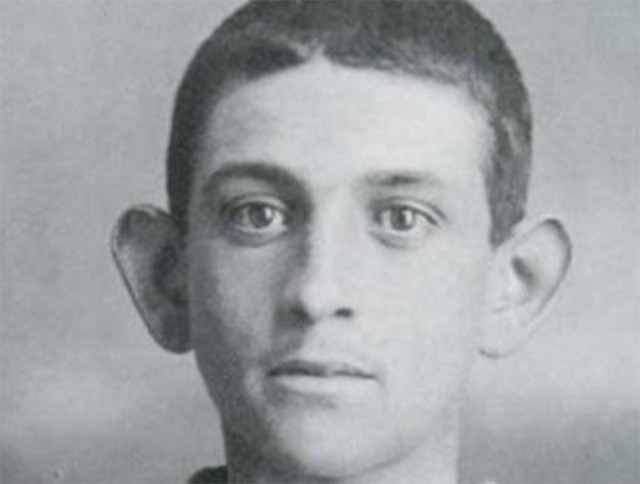
Cayetano Santos Godino, also known by the nickname “Petiso Orejudo” (the big-eared shorty), was an Argentine serial killer who began attacking while still a child. He is considered one of the youngest serial killers in history.
Cayetano Santos Godino’s childhood
His parents, Fiore and Lucia Godino, had emigrated from Italy, from San Demetrio Corone in the province of Cosenza, in 1888, but they never made their fortune and lived in poverty in the Almagro and Parque Patricios neighbourhoods, then on the edge of the city.
His father was an alcoholic and violent, and had contracted syphilis before Cayetano was born; the boy came into the world with serious health problems and in his early years nearly died several times of enteritis. His elder brother, Antonio, was epileptic and grew up to be an alcoholic like their father.
Both took out their anger on Cayetano, beating and humiliating him constantly.
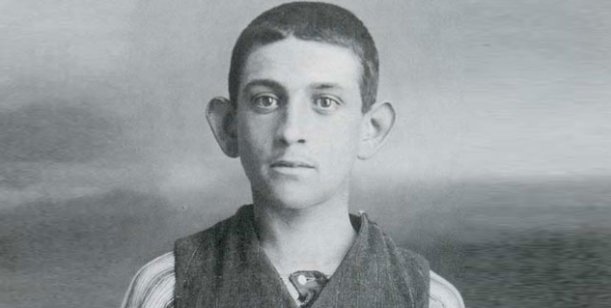
From the age of 5 Cayetano attended various schools, but was always expelled for his lack of interest in studying and his rebellious nature. He then began wandering the streets and vacant lots of Buenos Aires, which would become the scene of his crimes.
The first attempted murders
He made his first attempt at murder at the tender age of 7.
On 28 September 1904 he lured little Miguel Depaola, almost two years old, to a vacant lot and beat him, then threw him onto some brambles. Fortunately a policeman passing by saw the scene and took both to the police station, where their mothers came to collect them.
The second attempt came the following year, when he attacked an 18-month-old neighbour, Ana Neri, with a stone. Again a policeman stopped him and took him to the station, but Cayetano, given his young age, was released that same evening.
The first murder
Sadly, his release gave Cayetano the chance to commit his first murder, that of María Rosa Face, just three years old, on 29 March 1906. According to his confession, he took her to a vacant lot and, having failed to strangle her, buried her in a ditch. When the police went to the site, years later, a two-storey house stood there. The little girl’s body was never found.
Although this was his first murder, it was only discovered when Cayetano confessed after his arrest. The police station, however, still had the report of the child’s disappearance.
A few days later, on 5 April, the Petiso Orejudo’s father reported him for killing domestic birds. He had found a dead bird in his son’s shoe and, under his bed, a box full of other dead birds.
The report, still preserved, states that Fiore Godino, Cayetano’s father, came to the police station to report his son as totally rebellious against paternal authority. He said his son bothered the neighbours, throwing things at them and insulting them, and asked the police for help.
After this report Cayetano was locked up for just over two months. When released, he went back to roaming the streets.
More attempted murders and the reformatory
On 9 September 1908 he tried to kill Severino González Caló, two years old. He took him into a cellar and tried to drown him in a horse trough, then covered it with a wooden board. Luckily the owner arrived and saved the child, but Cayetano claimed he wasn’t to blame and said a “lady dressed in black” had brought the boy there. He was taken to the police and returned to his parents the next day.
Six days later he burned the eyelids of Julio Botte, a 22-month-old boy, with a cigarette. The victim’s mother saw him, but Cayetano managed to escape.
On 6 December his parents, tired of his behaviour, handed him over to the police again, who sent him to the Marcos Paz colony for minors, where he stayed for three years. There he learned to read and write a little, but the reformatory, instead of changing him, hardened him.
On 23 December 1911, at his parents’ request, he was released and went home. They had found him a factory job, hoping it would calm him down; unfortunately he lost the job three months later and went back to roaming the streets and drinking. He began suffering severe headaches which, he later said, turned into an urge to kill, especially after drinking.
1912
1912 was the worst year. On 17 January he set fire to a warehouse on calle Corrientes: the blaze took four hours to put out. On 26 January the body of Arturo Laurora, a 13-year-old boy, was found in an empty house with a piece of cord tied around his neck. Cayetano would later confess to this murder too.
On 7 March he set fire to the clothes of Reyna Bonita Vainicoff, a five-year-old girl, who died at the Children’s Hospital after sixteen days of agony.
In the following months he started more fires, stabbed a mare to death and tried to kill three more children, Roberto Russo, Carmen Ghittone and Catalina Naulener, who were saved by passers-by or a watchman. Each time, for lack of evidence or thanks to his lies, he went free again.
The last murder and the arrest
His last crime, the best documented, was the murder of Gesualdo Giordano, just three years old, on 3 December 1912.
The Petiso Orejudo persuaded him to follow him with the promise of sweets, then took him to an abandoned estate, the Quinta Moreno, where he tried to strangle him with the cord he used as a belt. When he failed, he went outside to look for something else to finish him with.
Outside he met Gesualdo’s father, who asked him if he had seen his son. Cayetano said no and advised him to report it to the police.
Then he went back inside with an old 10-centimetre nail, drove it into the child’s temple with a stone and ran home.
The body was found that same day and Cayetano went to the child’s wake, but after seeing the body he ran away crying. As he later confessed, he wanted to see whether the nail was still there.
Deputy inspector Peire and inspector Ricardo Bassetti had already linked this case to the previous ones, and at dawn on 4 December they searched the Godino home and arrested him. In his pocket they found a newspaper cutting about the murder and, in his trousers, a piece of the cord used to kill Gesualdo.
The sentence
After his arrest he confessed to four murders and numerous attempted murders. The doctors who examined him described him as an “imbecile” and a “hereditary degenerate”, extremely dangerous to those around him. In November 1914 the judge found him not criminally responsible and had him confined in the Hospicio de las Mercedes, in the ward for criminally insane patients.
There he attacked two patients, one bedridden and the other in a wheelchair, and tried to escape. On appeal, the court ruled unanimously that he be held in a penitentiary indefinitely, and so he ended up in the National Penitentiary in Buenos Aires.
The prison at the end of the world
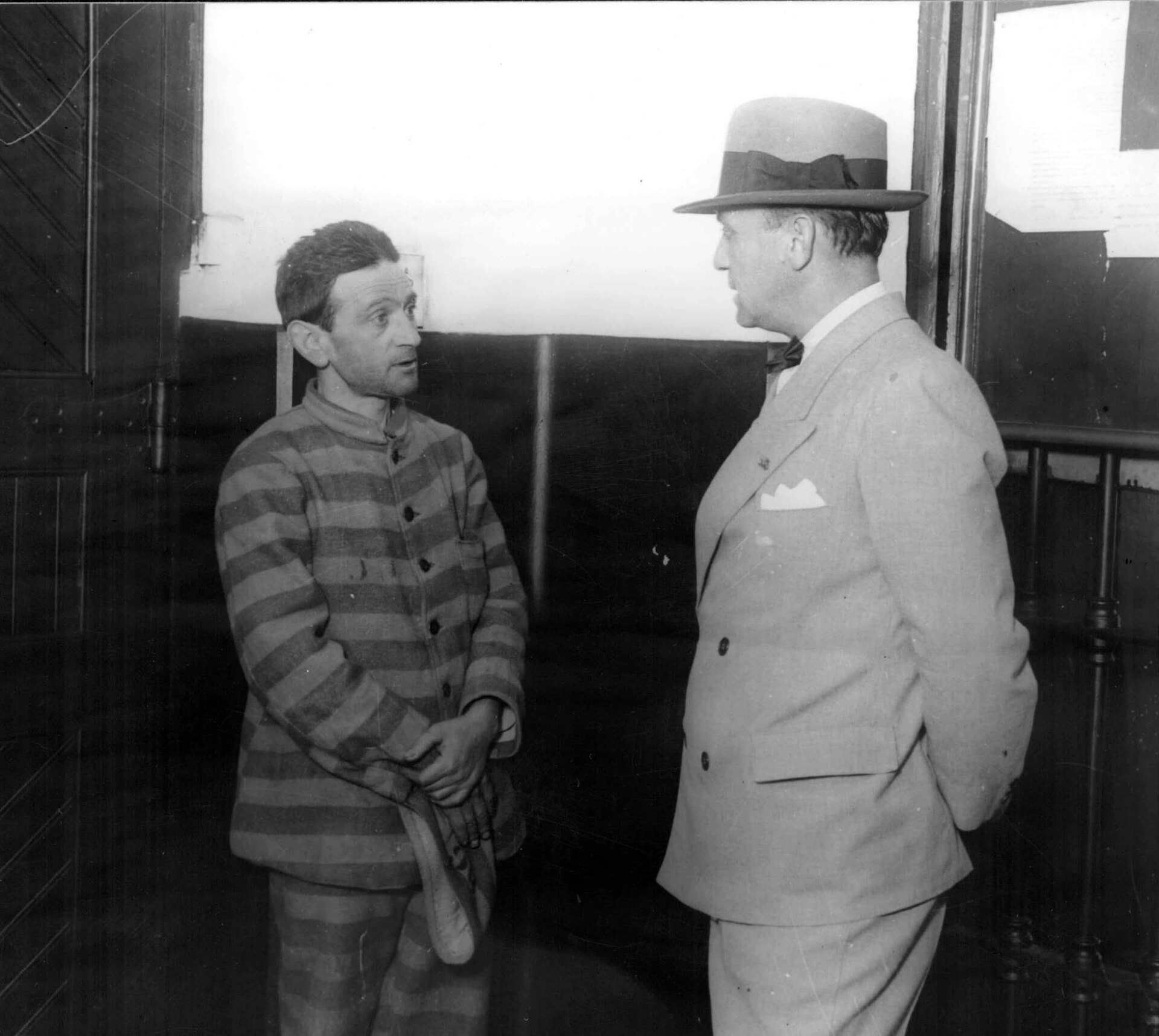
In 1923 he was transferred to the Ushuaia penal colony, in Tierra del Fuego, known as “the prison at the end of the world”. In 1927 the prison doctors, convinced by Lombroso’s theories that his wickedness lay in his ears, even performed cosmetic surgery to make them smaller. Of course it did nothing.
In 1936 he asked to be released, but the request was denied. In 1933, according to one of the few accounts of his life in prison, he had killed the prison’s pet cat by throwing it into the fire, and the other inmates beat him so badly that he spent more than twenty days in hospital.
He spent his last years alone, without friends, visits or letters, often mistreated and abused by other inmates, and died without ever showing remorse.
The circumstances of his death, on 15 November 1944, are unclear: according to the official version he died of internal bleeding caused by an ulcer, but some say he was beaten to death by other inmates. The prison closed in 1947, and when the cemetery was dismantled his bones were found to have been stolen.
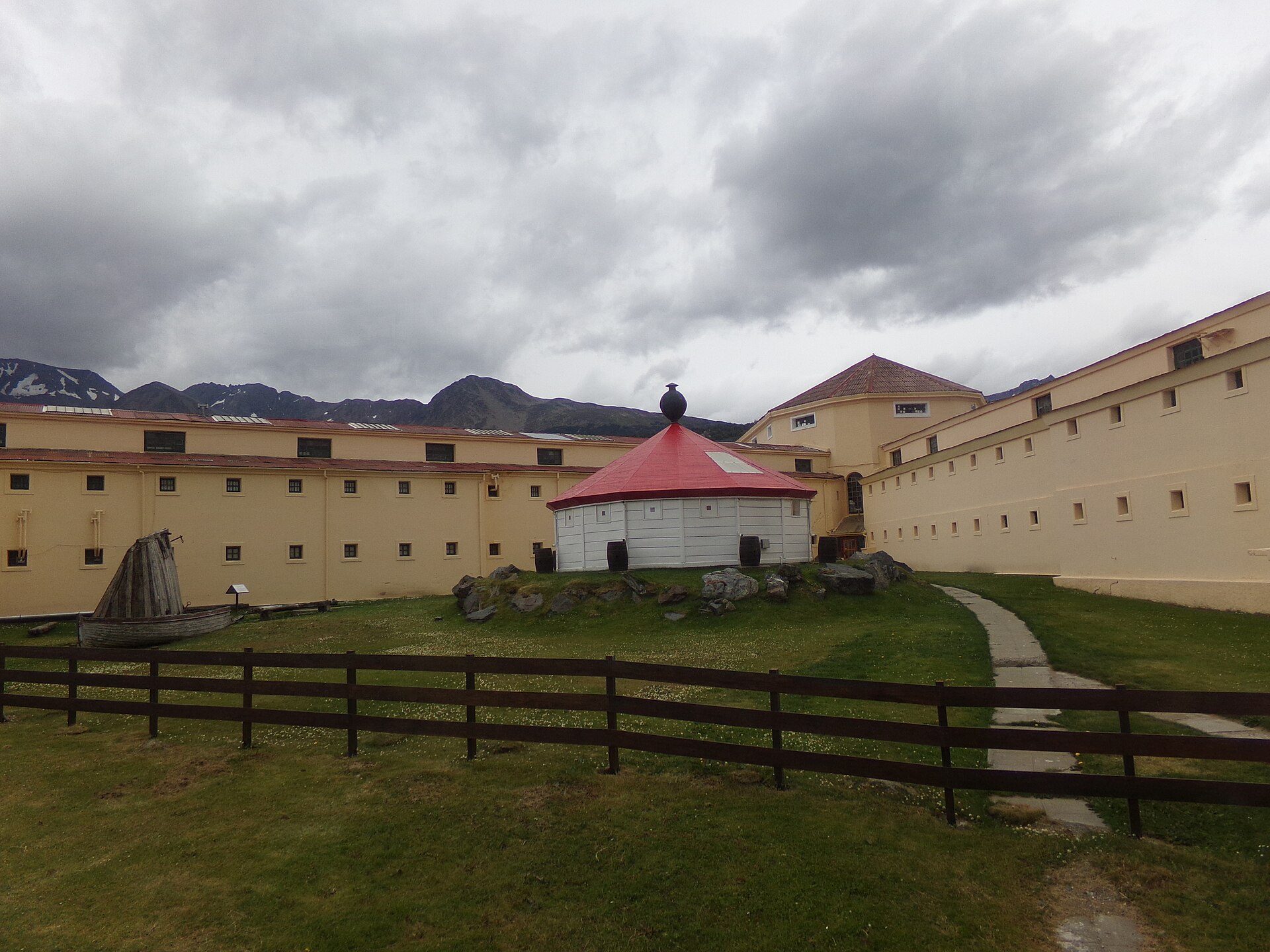
Today the former prison is a museum, and among its cells there is a life-size statue of the Petiso Orejudo. His story also inspired the 2007 Spanish film “El niño de barro”.
🦋 Emadion lives through its readers. If this story kept you up at night, buy me a coffee: it helps me bring you the next nightmare.
☕ Support Emadion on Ko-fi