
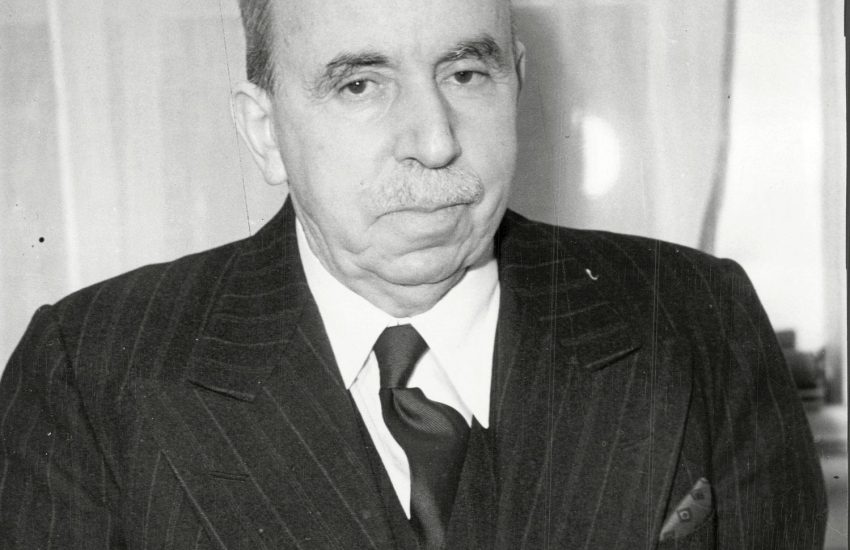
 Posted by
- Who: Sir Harold Delf Gillies (Dunedin, 17 June 1882 – London, 10 September 1960).
- Why he is famous: he is considered the father of modern plastic surgery.
- First World War: at the Queen’s Hospital in Sidcup he and his colleagues performed over 11,000 operations on more than 5,000 disfigured soldiers.
- A first: he was among the pioneers of gender-affirming surgery, operating on Michael Dillon and Roberta Cowell.
Harold Gillies was born in Dunedin, New Zealand, on 17 June 1882, the son of a member of parliament, Robert Gillies. He studied medicine at Gonville and Caius College, Cambridge, and then trained at St Bartholomew’s Hospital in London. He is now considered the father of modern plastic surgery and one of the pioneers of gender-affirming surgery.
Despite a stiff elbow from a childhood accident, he was also an excellent sportsman: he rowed in the famous 1904 Boat Race between Oxford and Cambridge and was a superb golfer, good enough to represent England against Scotland.
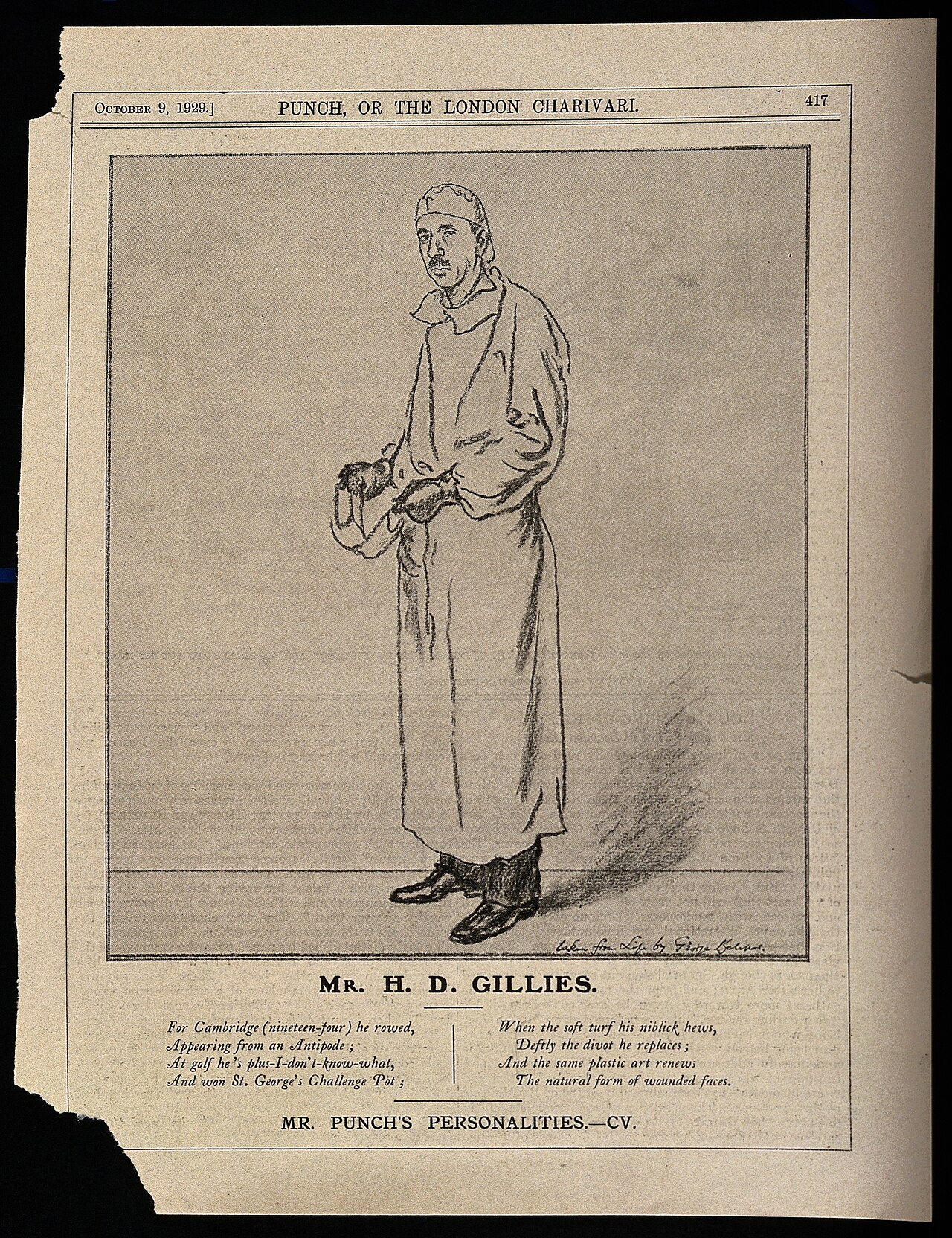
The start of Harold Gillies’s career
He was initially an ear, nose and throat specialist. During the First World War he joined the Royal Army Medical Corps and was sent to Wimereux, near Boulogne in France, to supervise a French-American dentist, Auguste Charles Valadier, who was trying to repair the jaws of soldiers disfigured by the conflict. Gillies watched him experimenting with early skin grafts and was fascinated.
He then decided to go to Paris, where he met the famous surgeon Hippolyte Morestin. He watched him remove a tumour from a patient’s face and then use skin from the jaw to cover the damage.
Enthusiastic about this technique, he returned to Britain, where he persuaded the army’s chief surgeon, William Arbuthnot-Lane, to open a ward for soldiers with facial wounds at the Cambridge Military Hospital in Aldershot.
Unfortunately the ward soon proved too small for the huge number of wounded, so a hospital devoted entirely to facial reconstruction was opened: the Queen’s Hospital in Sidcup, near London.
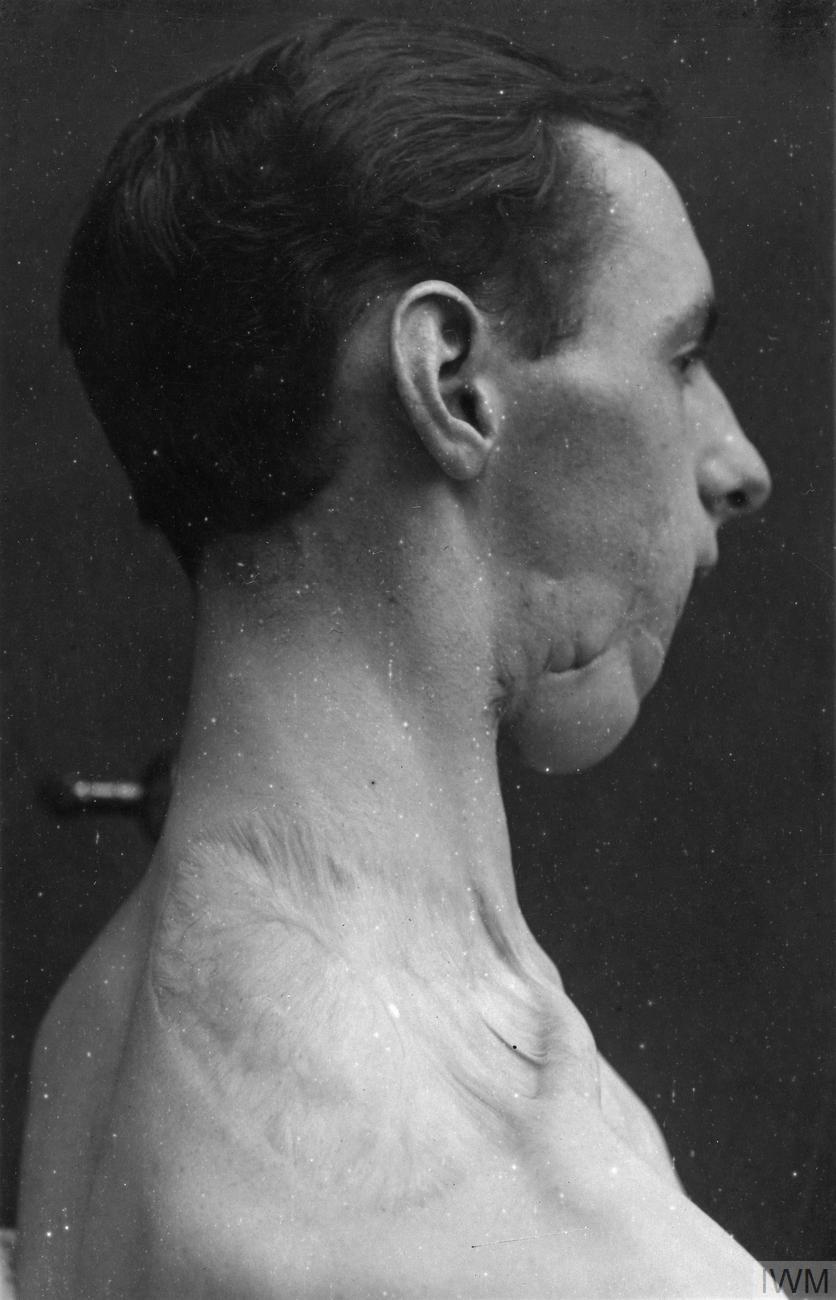
It opened in June 1917 and, with its convalescent units, had more than 1,000 beds. There Gillies and his colleagues invented many new plastic surgery techniques and performed over 11,000 operations on more than 5,000 men.
Second World War
After the First World War he went into private practice with Rainsford Mowlem, treating many famous patients. He travelled widely to teach his techniques around the world, and in 1930 he brought his cousin, Archibald McIndoe, into the practice; McIndoe would in turn become a great plastic surgeon. That same year Gillies was knighted.
During the Second World War he was a consultant to the Ministry of Health, the RAF and the Admiralty, organised plastic surgery units across the country and trained many surgeons from Commonwealth countries.
Gender-affirming surgery
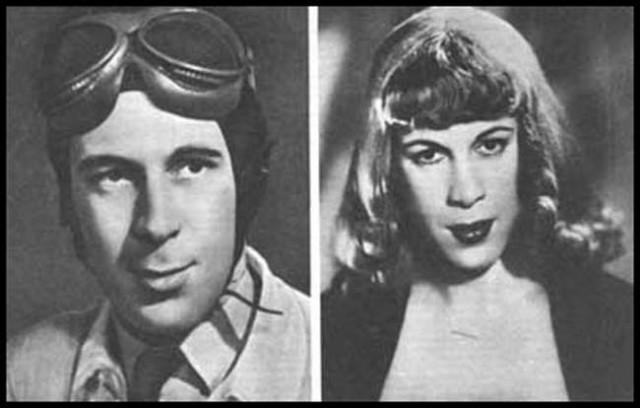
After the Second World War his savings were not enough for him to retire, so he kept working.
In 1946, together with a colleague, he carried out one of the first male gender-affirming surgeries, on Michael Dillon, a trans man.
In 1951, with other colleagues, he performed one of the first modern female gender-affirming surgeries, on Roberta Cowell, a trans woman, using a flap technique that remained the standard for forty years. Of this work he said: “If it gives real happiness, that is the most that any surgeon or medicine can give.”
Death
He kept operating until the age of 78 when, on 3 August 1960, during an operation on the leg of an 18-year-old girl, he suffered a cerebral thrombosis. He died a month later, on 10 September 1960, at the London Clinic.
Today a blue plaque marks his home in Hampstead, London, where he lived for many years.
🦋 Emadion lives through its readers. If this story kept you up at night, buy me a coffee: it helps me bring you the next nightmare.
☕ Support Emadion on Ko-fi




Absolutely incredible his work changed so many life’s and made surgery what it is today.