 Posted by
On 19 February 1994 Gloria Ramirez, 31, who had cervical cancer, died in the emergency room in Riverside, California. While staff tried to save her, 23 of the 37 people present fell ill and 5 were hospitalised. Mass hysteria was suggested; the Livermore laboratory proposed a chemical reaction triggered by DMSO, a product she used for pain.
We often hear about toxic people, with the adjective referring to the negative influence their personality can have on our lives. But are there also people who are physically toxic, able to poison others? Apparently yes, and one well-documented case is that of young Gloria Ramirez.
Gloria Ramirez
On 19 February 1994, at the age of 31, Gloria was taken to the emergency room in the city of Riverside, California. She had cervical cancer, but that was not why she was in hospital: she was hyperventilating and her blood pressure was dropping fast.
The doctors gave her some drugs to calm her, routine procedures, and helped her breathe with a bag valve mask. But Gloria’s condition did not improve, and the doctors decided to use a defibrillator. It was when they removed her shirt to attach the electrodes that they realised her body was covered in an oily film. Getting closer, some of those present also noticed a strange garlic-like smell that seemed to come from the patient’s mouth.
The first victims

Then a nurse, Susan Kane, took a blood sample. After drawing it, she began to notice that Gloria’s blood had a strange chemical smell, like ammonia, and that there were strange particles in the vial. After she passed the syringe to a colleague, Julie Gorchynski, Susan felt ill and fainted. She told her colleagues her face was burning, so she was taken to another room, and shortly afterwards Julie also began to feel ill. The third victim of these strange circumstances was Maureen Welch, another doctor in the room.
After she too fell ill, many others in the room began to feel unwell, and they decided to evacuate everyone in the emergency room to the car park outside. Meanwhile Dr Humberto Ochoa and a few colleagues stayed in the room to try to save poor Gloria, continuing to give her drugs and using the defibrillator. Sadly, nothing could be done, and at 8:50 pm Gloria Ramirez died and her body was taken to another room.
Meanwhile the doctors with the patients in the car park feared that the illnesses might be caused by some chemical agent, and decided to take off their clothes and put them in plastic bags to avoid further contamination. Of the 37 people in the emergency room that evening, 23 had at least one symptom of this mysterious contamination and 5 were hospitalised. The most serious case was Gorchynski, who spent 2 weeks in intensive care with breathing problems. She later also developed hepatitis and avascular necrosis in her knees.
The search for the cause
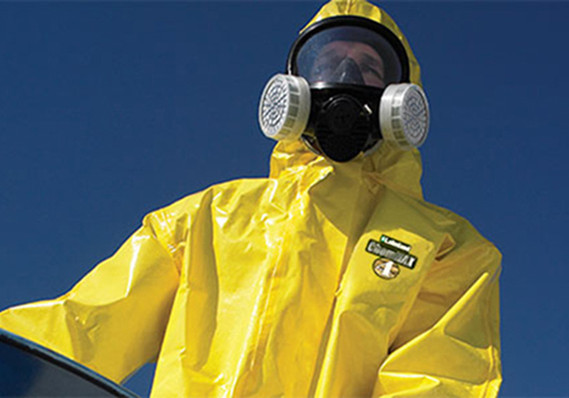
At 11 pm that 19 February, a hazardous materials team arrived at the hospital, fearing gas contamination. Fortunately, no substances were found. Then came the autopsy on Gloria’s body, carried out by doctors in protective suits to avoid further contamination. The doctors found nothing abnormal and decided to ask outside laboratories for help.
After weeks of tests, only substances normally present in the human body and those in the drugs she had been given were found. In April 1994 the cause of Gloria’s death was announced: cardiac arrhythmia and kidney failure, both resulting from her cervical cancer. So no poisonous substances in her body. Gloria was buried on 20 April 1994, ten weeks after her death, at Olivewood Memorial Park in Riverside.
Theories
Over the years various theories have been put forward to solve this strange case.
Mass hysteria
The first is mass hysteria. According to the California Department of Health, which interviewed the 37 people in the emergency room that evening, the symptoms of the doctors who fell ill were nothing more than hysteria caused by the strange ammonia smell of Gloria’s blood.
Chemical reaction
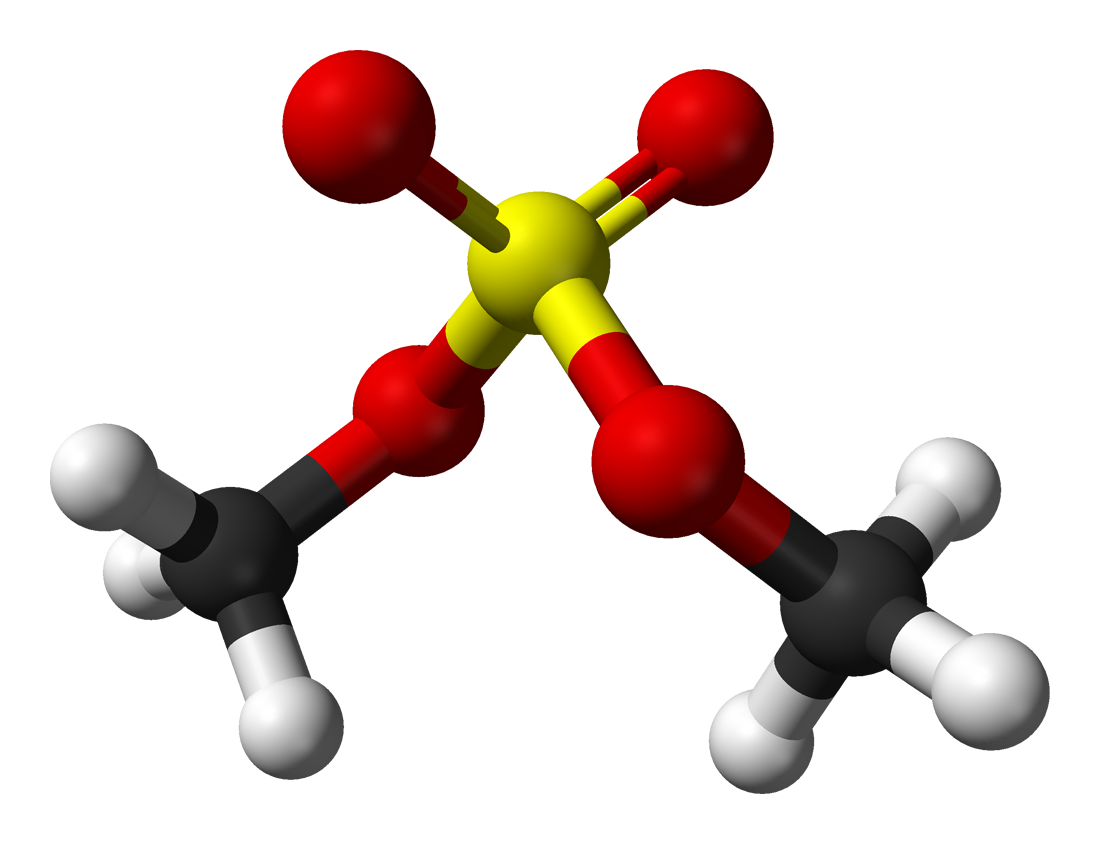
The theory proposed by Lawrence Livermore National Laboratory is a little more complex. The researchers found in Gloria’s body a compound called methylsulfonylmethane, probably originating from DMSO, a gel she used to relieve her cancer pain, which could explain the oily substance the doctors noticed.
DMSO, together with the oxygen pumped into Gloria’s lungs, could have produced the methylsulfonylmethane. The researchers then ran an experiment combining DMSO with oxygen and found that it created micro-crystals that could explain the particles found in Gloria’s blood.
This compound, however, is not toxic in itself and so would not solve the mystery. Except that the doctors defibrillated the young patient, which could theoretically have turned the compound into the lethal dimethyl sulfate. This compound is highly toxic, and inhaling it causes symptoms similar to those reported by the doctors who treated Gloria. However, this theory has never been confirmed by any other laboratory, which makes it just a theory and not a solution to the mystery.
Poor conditions in the emergency room
Finally, Gloria Ramirez’s family has its own theory. According to them, Gloria died because of the poor conditions in the emergency room. As early as 1991 two hospital workers had been hospitalised after exposure to a poisonous gas in the hospital. And in 1993, a year before Gloria was admitted, an inspection found another toxic gas in the hospital’s emergency room.
Conspiracies
There are other oddities in this case too. For example, the coroner had at first said it was not a natural death, only to change his mind after the April press conference at which the County announced the cause of death as natural.
So, many theories and no certainties. To this day the case of Gloria Ramirez, known as the toxic woman, remains unsolved. Which theory do you think is most plausible?
🦋 Emadion lives through its readers. If this story kept you up at night, buy me a coffee: it helps me bring you the next nightmare.
☕ Support Emadion on Ko-fi